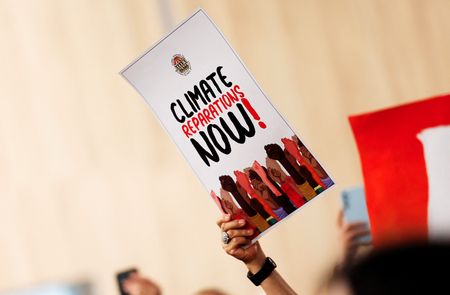

Wealthier nations delivered an unprecedented $136.7 billion in climate assistance to developing countries last year, marking a new milestone in global efforts to combat climate change, according to data released Thursday by the Organisation for Economic Co-operation and Development.
The funding represents a 3% increase from 2023 levels and supports initiatives such as renewable energy expansion and infrastructure improvements to defend against severe weather events, the OECD reported.
This achievement builds on a commitment made by affluent nations in 2009 to provide $100 billion annually by 2020 to assist vulnerable countries dealing with increasingly destructive climate disasters. That original goal was finally reached in 2022.
However, future funding levels may face uncertainty as the current administration has suspended contributions to global climate financing programs, potentially leading to reduced totals in 2025 data.
At the COP29 climate conference held in 2024, participating nations committed to expanding their financial support to $300 billion annually by 2035. Yet experts warn this amount remains insufficient compared to the trillions economists estimate developing countries require for rapid clean energy transitions and climate adaptation measures.
Developing nations maintain they cannot commit to more stringent emissions reduction agreements without reliable financial backing from the world’s wealthiest economies.
Notably absent from these figures is climate financing from the world’s second-largest economy. Despite its economic status, the nation is classified as “developing” under U.N. frameworks, excluding its international climate contributions from official tallies.