
A Washington state attorney who marketed herself as a champion for immigrants is now at the center of multiple lawsuits and a legal ethics investigation, accused of running a massive visa fraud operation that left tens of thousands of people vulnerable to deportation.
Alexandra Lozano allegedly built a system that fabricated stories of domestic abuse and human trafficking in order to file humanitarian visa applications — all without her clients’ knowledge, according to the lawsuits and investigators. Critics say she took advantage of immigrants’ fear and desperation, emptying their bank accounts while putting their futures at risk.
Among the accusations: hiring workers without proper legal credentials, rushing through applications on an assembly-line basis, and even forging clients’ signatures on documents they had never seen.
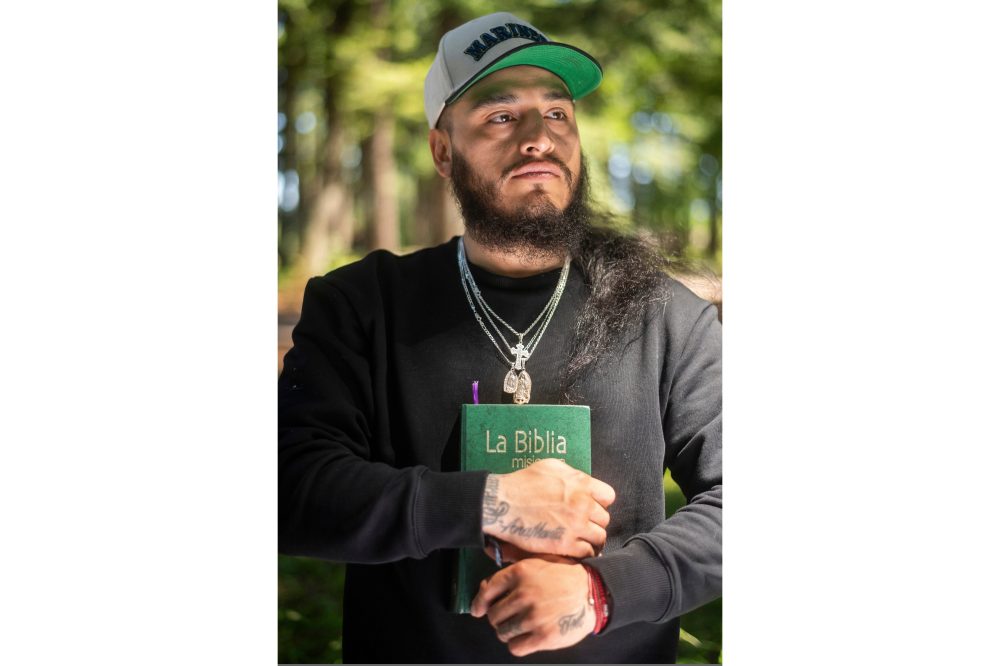
Gabriel Martinez Garcia, 30, said his family paid $30,000 and trusted Lozano completely — only to be betrayed. Despite his mother being married to a naturalized U.S. citizen, he says Lozano’s actions resulted in his mother being placed in deportation proceedings. “I put the trust of my family with her,” he said. “We believed in her and then she just let us down.”
Lozano’s firm, Luz del Camino Legal, shut its doors this month as the allegations mounted. Rather than face disciplinary action from the bar association, she permanently gave up her law license. She denies any wrongdoing.
The scale of the alleged fraud is staggering. Bar records show her signature appears on more than 53,000 pending cases. While it remains unclear how many of those cases involved fraud — or whether any clients knowingly participated — those who filed suit say they were completely in the dark.
Erika Gonzalez, an attorney with the Coalition to Abolish Slavery and Trafficking, said the fallout from Lozano’s collapse is hitting the immigration system “like a tidal wave.”
Lozano’s practice centered on two federal laws: the Victims of Trafficking and Violence Protection Act of 2000 and the Violence Against Women Act of 1994, which applies to all genders. These programs are designed to protect abuse victims by keeping their immigration status from being used against them by abusers. The evidence requirements are intentionally flexible to help real victims — but immigration attorneys say that flexibility also makes the programs easier to exploit.
According to attorneys now representing many of Lozano’s former clients, the firm would probe clients about problems in their personal or work lives, then shape those situations into abuse narratives that didn’t actually qualify under the legal standards for these humanitarian programs.
Clients often obtained work permits quickly, but ran into serious problems years later when applying for permanent residency and their claims faced closer examination.
Angelo Calfo, the attorney representing Lozano, defended her record, saying clients were supposed to review their applications before signing and that any false statements were their responsibility. “Alexandra’s practice has always been to fight for her clients, zealously pursue every lawful option available to them, and support their efforts to build lives in this country,” his statement read.
The bar association formally accused Lozano of fraud in May, and her firm closed on June 10. According to emails obtained by the Associated Press, she is now under investigation by the fraud unit of U.S. Citizenship and Immigration Services. The Department of Homeland Security declined to comment on the matter.
Immigration service scams are on the rise nationally. Federal Trade Commission data analyzed by the AP shows at least 920 such scams were reported in 2025 alone — more than the combined total from the first three years of the previous administration. Experts believe the real number is much higher, since many immigrants are reluctant to report fraud.
Lozano is accused of using hundreds of employees based in Colombia, Mexico, and Argentina to provide legal advice and handle visa applications — meaning clients may never have spoken with a licensed U.S. attorney at all.
Rafael Alvarez, who worked for Lozano from 2022 to 2024 in Colombia, said he was directed to embellish case details. “Alexandra was telling us to please invent more information about the abuse because it is not real abuse,” he said. “There were a lot of cases that were not true.”
The firm’s former chief operating officer, Amy Rios, testified in 2024 that Luz del Camino Legal earned $1.7 million by teaching other law firms its approach to humanitarian visa cases and had “changed the way many attorneys now approach immigration law.” At least two other firms — one in Texas and one in Ohio — are now accused in recent lawsuits of copying Lozano’s methods, which both firms deny.
Erika Sanchez and her husband entered the country without authorization. After being told by multiple lawyers that there was no legal way to adjust their immigration status from inside the United States, Lozano promised them a successful outcome after a single consultation in 2020, according to a lawsuit filed in May by the couple and seven other former clients.
The couple said the firm asked them to sign blank pieces of paper, which they trusted. They lived frugally and paid Lozano more than $32,000. “We truly did believe that she was doing the right thing,” Sanchez said. They later discovered that the application filed for her husband contained fabricated claims that his teenage daughter had abused him. He is now in deportation proceedings.
Some clients didn’t learn of the alleged fraud until years after the fact. Nora Murillo Moreno said she was only informed of the false abuse claims in her application the day before her green card interview. “Should I say what really happened, or what is written?” she recalled thinking. “I knew things didn’t match.”
The surge in Lozano’s caseload appears to mirror a dramatic rise in humanitarian visa applications overall. Domestic abuse visa applications more than tripled between fiscal years 2020 and 2025, climbing from roughly 15,000 to more than 53,000 per year. Applications from parents claiming abuse by a child increased nearly twelvefold. Human trafficking visa applications jumped from around 1,000 to more than 37,000 during the same period.
In December, the immigration agency announced it would overhaul the domestic violence visa program, citing what it called “rampant fraud” based solely on the spike in applications, without providing additional evidence. The changes narrow the definition of abuse and give more weight to statements from accused abusers.
Cecelia Levin, an attorney with the nonprofit Alliance for Immigrant Survivors, argued that restricting access for real abuse victims is the wrong approach. She said the focus should instead be on prosecuting attorneys who run fraudulent operations like the one Lozano allegedly operated.
Immigration attorneys say Lozano’s social media presence was filled with warning signs, including claims that the Virgin Mary personally blessed all of her cases.
In 2023, the Washington bar said it had concerns about Lozano’s practice but dismissed an ethics complaint against her, determining she was shielded by legal disclaimers. The complaint had alleged deceptive advertising and other misconduct. Sara Niegowski, a spokesperson for the bar, said the organization moved to block Lozano from practicing law “as quickly as possible.”
Former clients are now scrambling to recover their case files from the shuttered firm. Hundreds attended recent consultations with volunteer attorneys in Washington and Oregon. Many have joined a lawsuit seeking compensation for legal malpractice, while a separate class action aims to recover the attorney fees they paid.
Vicente Omar Barraza, the attorney leading the malpractice lawsuit, said hundreds of former clients have told him they still have no idea what was written in their applications. He fears many have permanently lost their best chances at legal immigration status.
Martinez Garcia, whose mother is now facing deportation despite what he says was Lozano’s mishandling of her case, said the uncertainty weighs on him every day. “I’m just praying really, really, really hard for her,” he said. “None of this should have happened.”