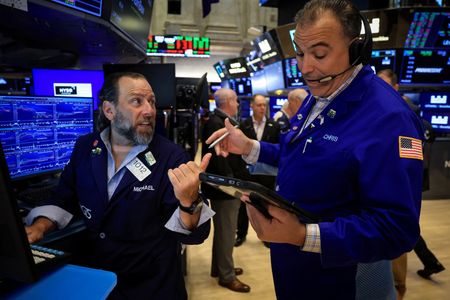

Global markets painted a mixed picture on Thursday, with European and Asian stocks climbing while big-name technology companies dragged U.S. indexes lower. The dollar’s recent winning streak also came to a halt, and oil prices bounced back after recent losses.
A closer look at the first half of the year reveals wild price swings across Wall Street and other major markets — but analysts caution that volatility should not be confused with a broader downturn. The artificial intelligence-driven stock rally still appears to have momentum.
Here are some of the key stories shaping the financial landscape Thursday:
• U.S. first-quarter GDP was revised significantly upward, though consumer spending came close to stalling out.
• Apple increased prices on MacBooks and iPads as the cost of memory components surged.
• Micron joined other chipmakers in promoting AI-related deals as a way to smooth out the memory industry’s boom-and-bust pattern.
• The U.S. bond market is pricing in interest rate hikes that the Federal Reserve may ultimately never carry out.
• JPMorgan reshuffled its top executives, reshaping the competition to eventually succeed Jamie Dimon.
Thursday’s Market Snapshot
Stocks in South Korea jumped 5% and Japan rose 4.5%, while European and UK markets gained around 1%. On Wall Street, the S&P 500 finished roughly flat, the Nasdaq slipped 0.5%, and the Dow edged up 0.1%.
Within the S&P 500, six sectors finished higher and five ended lower. Industrials led with a 2% gain, while communications services fell 1%. The semiconductor index known as “SOX” surged 3.5%, and a memory stocks ETF jumped 10%. Micron soared 15% and Caterpillar gained 5.5%, while Apple and Dell each dropped 6%. Microsoft fell 3.5% and is now down 21% for the month of June — its worst monthly performance on record.
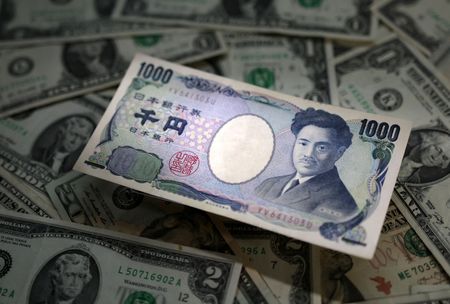
The U.S. dollar posted its first losing session in seven days. The Mexican peso was the top-performing emerging market currency after that country’s central bank held interest rates steady. U.S. Treasury yields dipped slightly, and a 7-year bond auction drew a weak response from indirect buyers but strong interest from direct bidders. Oil prices rose 2% and precious metals gained about 1%.
Key Talking Points
Headline annual PCE inflation officially crossed above 4% for the first time in three years, Thursday’s data showed. With the Consumer Price Index also above 4%, both major U.S. inflation benchmarks now sit at more than double the Federal Reserve’s 2% target.
That raises the question of whether the Fed should be raising interest rates. The answer isn’t straightforward — monthly PCE figures came in a bit softer than expected, and oil prices have fallen 40% from their recent peak, returning to levels seen before the Iran conflict. Traders have scaled back expectations for Fed rate increases by 15 basis points over recent days, and further pullbacks may follow.
In private credit markets, stress is building beneath the surface. Regulatory filings released Thursday revealed that investors in Ares Management’s $23 billion flagship private credit fund tried to pull out 14.4% of their shares in the second quarter, up from 11.6% in the first quarter. Withdrawals were capped at 5%.
Earlier this week, Apollo placed a 5% cap on redemptions from its $26 billion ADS private credit fund after investors sought to withdraw 17% of shares. The turmoil has not significantly spilled into public markets yet, but investor confidence remains low — a WisdomTree private credit and alternative income ETF is testing all-time lows.
A new Federal Reserve research paper this week put hedge funds’ exposure to U.S. Treasury securities back in the spotlight. According to the paper, hedge funds hold $4 trillion in Treasuries, representing 8.5% of the entire market. The cash borrowing used to finance those positions totals $3 trillion. Both bond holdings and borrowing levels doubled between 2023 and 2025. The central question remains whether this creates systemic risk — so far, the answer appears to be no.
What to Watch Friday
Markets will be keeping an eye on Tokyo’s June consumer price inflation figures out of Japan, the final June reading of the University of Michigan’s consumer sentiment and inflation expectations survey, and remarks from Minneapolis Federal Reserve President Neel Kashkari.
Opinions expressed in the original column are those of the author and do not reflect the views of Reuters News.