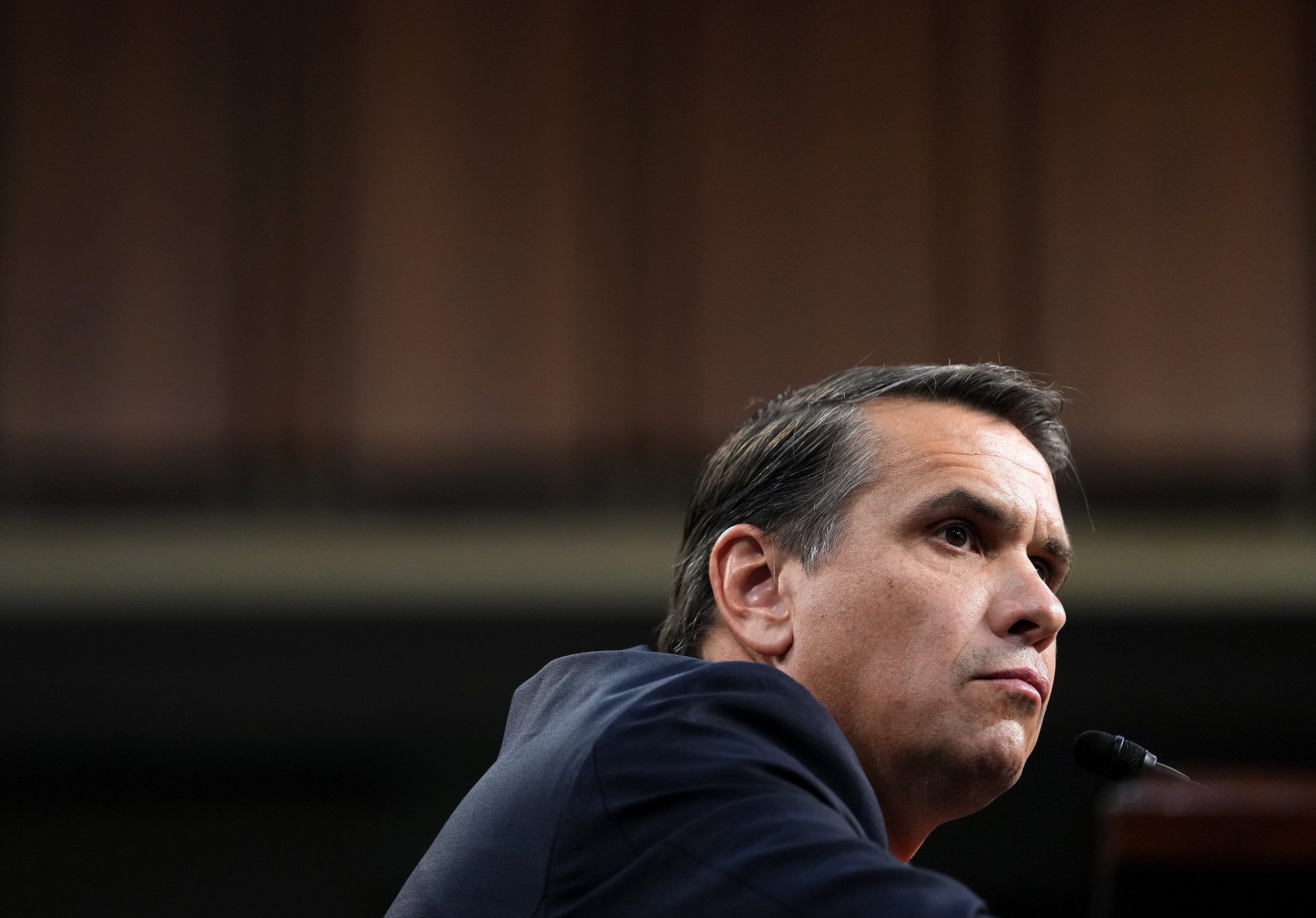

Vice President JD Vance reported that diplomatic discussions with Iranian officials over the weekend in Islamabad showed advancement but stopped short of reaching a comprehensive agreement, with outstanding issues surrounding nuclear oversight and shipping lane access leaving the next move up to Iran.
In an interview with Fox News host Bret Baier, Vance described the discussions as an uncommon instance of senior-level diplomatic engagement between the nations that helped establish Washington’s position. “We made a lot of progress,” Vance stated, explaining that American diplomats communicated their areas of potential compromise as well as their firm positions. He indicated the critical factor moving forward is “whether the Iranians will have enough flexibility” to satisfy American requirements.
According to Vance, the administration’s non-negotiable boundaries are rooted in one fundamental goal: preventing Iran from acquiring nuclear weapons. Though Iranian officials claim they are not pursuing such weapons, he stressed the importance of reliable monitoring mechanisms.
Vance outlined two essential requirements: the removal of enriched uranium from Iranian territory and guaranteeing Iran’s inability to enrich uranium going forward. “We must have the enriched material out of Iran,” he stated, noting that Washington also demands “their conclusive commitment to not develop a nuclear weapon.”
While Iran demonstrated some flexibility during the discussions, Vance indicated it was insufficient to complete a deal. American officials determined the Iranian representatives needed to return home for additional authorization, effectively suspending the talks. “The ball really is in their court,” he remarked.
The negotiations also covered the Strait of Hormuz, a crucial international shipping corridor. Vance stated America’s expectation for complete reopening of the waterway, characterizing it as connected to the broader ceasefire agreement. “We need to see the Straits of Hormuz fully open,” he declared, claiming Iran tried to modify terms during the talks.
He noted that while maritime traffic has increased somewhat, it has not reached American standards. Vance cautioned that if advancement stops, it could change the direction of future negotiations.
Vance emphasized that Washington maintains considerable influence through military and economic measures, including sanctions on Iranian-connected ships. He characterized Iran’s activities in the shipping channel as “economic terrorism,” explaining that America’s response aims to counteract such tactics.