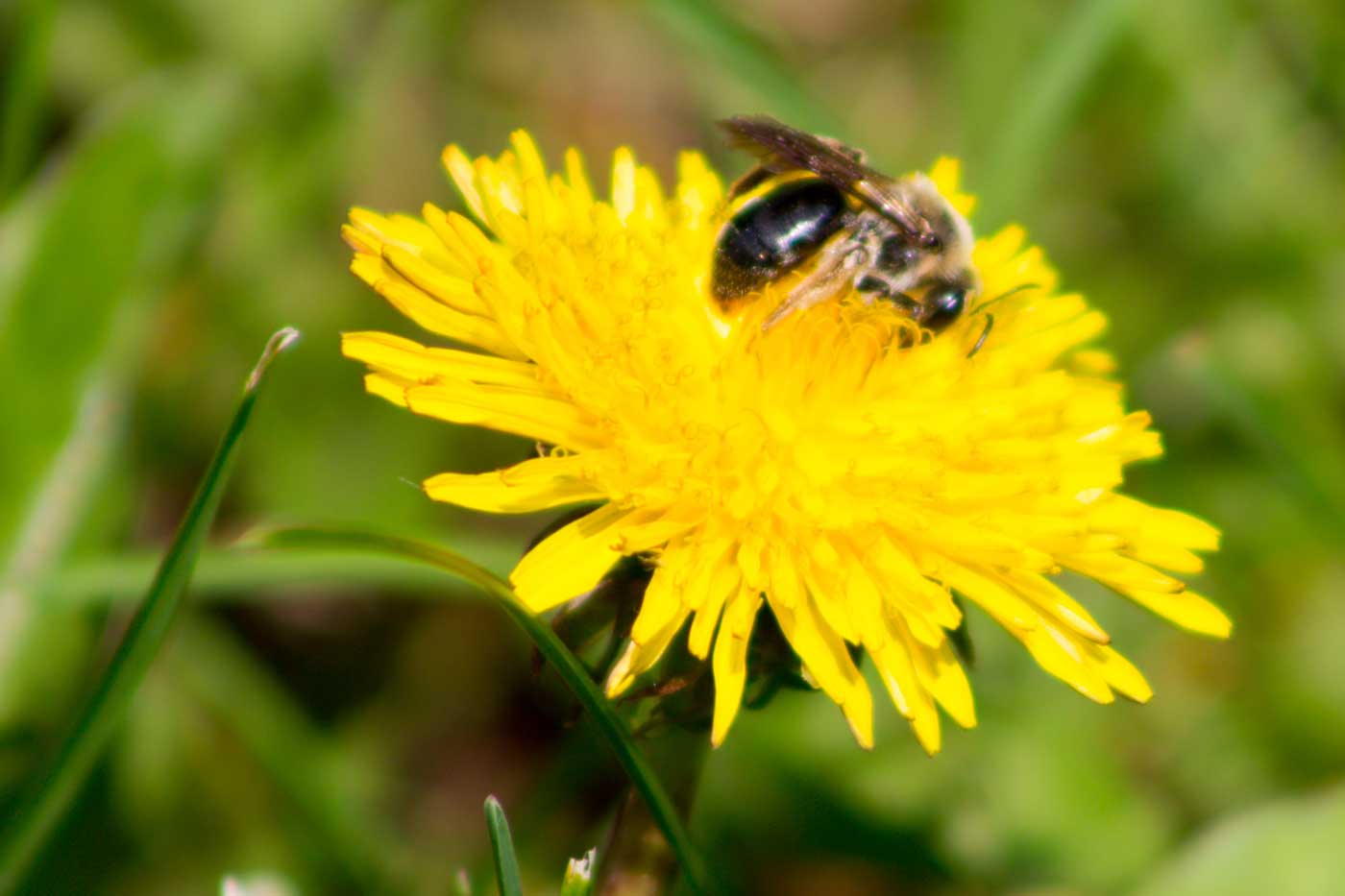

HENRICO—With blooming flowers and fresh crops appearing at Virginia farmstands, June highlights the vital pollinators that make this abundance possible.
National Pollinator Month draws attention to the essential role that birds, bats, bees, butterflies, beetles and other creatures play in our daily lives, while promoting efforts to establish and safeguard their living spaces. The month’s main event, National Pollinator Week, takes place June 22-28 this year.
These pollinators do more than create beautiful gardens. According to the Pollinator Partnership, pollinators make possible one in every three bites of food consumed by humans, with no less than 75% of food crops depending on them. The U.S. Department of Agriculture calculates that pollinators add $18 billion each year to crop production.
However, pollinator numbers keep dropping due to climate change, loss of habitat, pesticide application, parasites and diseases.
Stephen Living, habitat coordinator with the Virginia Department of Wildlife Resources, explained that truly helping pollinators requires thinking about “the whole structure” of their habitats—including food sources, nesting areas, breeding grounds and protective shelter.
“A lot of native bees are ground nesting, so providing areas of bare ground is valuable,” Living advised. “And keep some fallen leaves where possible.”
An effective habitat design incorporates diverse flowering plants and year-round resources. DWR provides Virginia Native Pollinator seed packets containing a mix of native wildflowers that benefit pollinators.
“When you’re doing a landscape from an aesthetics standpoint and want interest across the seasons, think about that from a wildlife perspective too,” he said. “Choose plants that bloom successively to provide resources across seasons.”
Trees and shrubs play an equally vital role in creating lasting habitats. Native oak and black cherry trees provide support for various butterflies and caterpillars.
The crucial factor is selecting native species.
“Native plants also feed the young insects, the larvae,” he said. “They support a much greater diversity and number of young insects than non-native plants do, and these in turn support wildlife like our songbirds.”
Living also recommended reducing pesticide use and adopting integrated pest management methods to lessen harm to beneficial insects.
While many tools and garden additions can help pollinators, he cautioned against certain popular trends—like widely-used bee hotels, which “can be valuable but have some pitfalls.
“They need to be carefully managed and cleaned out regularly, so we don’t create concentrations of harmful parasites,” he advised. “Do some research and find some that can be maintained and cleaned.”
He recommended avoiding butterfly houses, since “butterflies aren’t using those.”
The DWR’s Habitat at Home initiative provides guidance and resources for developing pollinator- and wildlife-friendly areas, plus recognition opportunities. Visit bit.ly/43uS3cx.
For additional information about native plants for pollinators, visit Plant Virginia Natives at plantvirginianatives.org.
Media: Contact Shelby Crouch, Virginia DWR public information officer, at 804-802