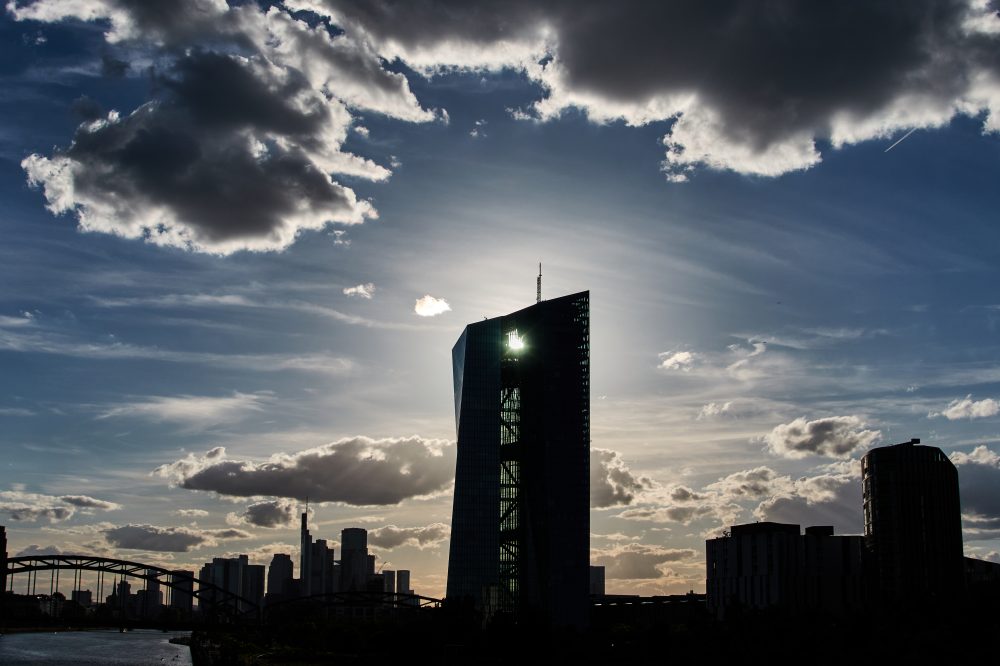

On Thursday, the European Central Bank became the first major financial institution to increase interest rates as a direct response to the Iran war, while policymakers including new U.S. Federal Reserve Chair Kevin Warsh grapple with addressing inflation driven by soaring oil costs.
The ECB’s governing council increased its key rate from 2% to 2.25%, ending a year-long period at the previous level. This decision precedes upcoming rate-setting sessions next week involving the Fed, the Bank of Japan, and the Bank of England.
Crude oil costs have surged dramatically as Iran has blocked oil flow through the Strait of Hormuz, a critical waterway that typically handles one-fifth of global oil and fuel transportation. The rate increase is designed to combat consumer price inflation driven by higher expenses for petroleum-based products including gasoline, diesel fuel, cooking gas and heating oil.
International benchmark Bent crude traded near $92 per barrel Thursday, climbing from approximately $73 before the conflict began. This surge has driven inflation to 3.2% in May across the 21 nations using the euro currency, exceeding the ECB’s 2% goal.
However, ECB officials must balance higher borrowing costs against an economy experiencing modest growth. This consideration has led analysts to believe Thursday’s increase will be isolated, primarily intended to demonstrate to financial markets that the bank won’t fall behind if inflation continues climbing.
Australia and the Philippines have implemented rate increases since the conflict started, with focus now turning to decisions in major economies. The U.S. Federal Reserve is anticipated to maintain its current key rate when it convenes next week under new chair Warsh, who was appointed this year by President Donald Trump.
Warsh previously supported rate reductions last year, while Trump frequently criticized Warsh’s predecessor, Jerome Powell, for insufficient borrowing cost cuts. However, with inflation reaching a three-year peak as fuel prices have jumped following the Iran war, even Trump and his administration have begun shifting toward maintaining current rates.
The Fed will likely modify its post-meeting statement by eliminating language suggesting its next action would be a reduction. This change would create possibilities for future rate increases. Multiple Fed officials have cautioned that if inflation doesn’t start declining soon, a rate hike might be required before year’s end.
Increasing benchmark rates affects lending costs across the economy, making borrowing more expensive and reducing demand for goods. Higher central bank rates can increase interest expenses for home purchases, factory investments, and government borrowing.
The ECB might manage with just one or two increases because the inflation surge could be less severe than anticipated, according to Carsten Brzeski, global chief of macro at ING bank.
This is because consumers affected by post-pandemic inflation increases are reluctant to accept higher prices, forcing businesses to absorb elevated energy costs themselves. “The pass-through of higher energy and input prices to final consumption will be limited due to a lack of ability and willingness of consumers to actually pay for these higher prices,” he wrote in an emailed comment.