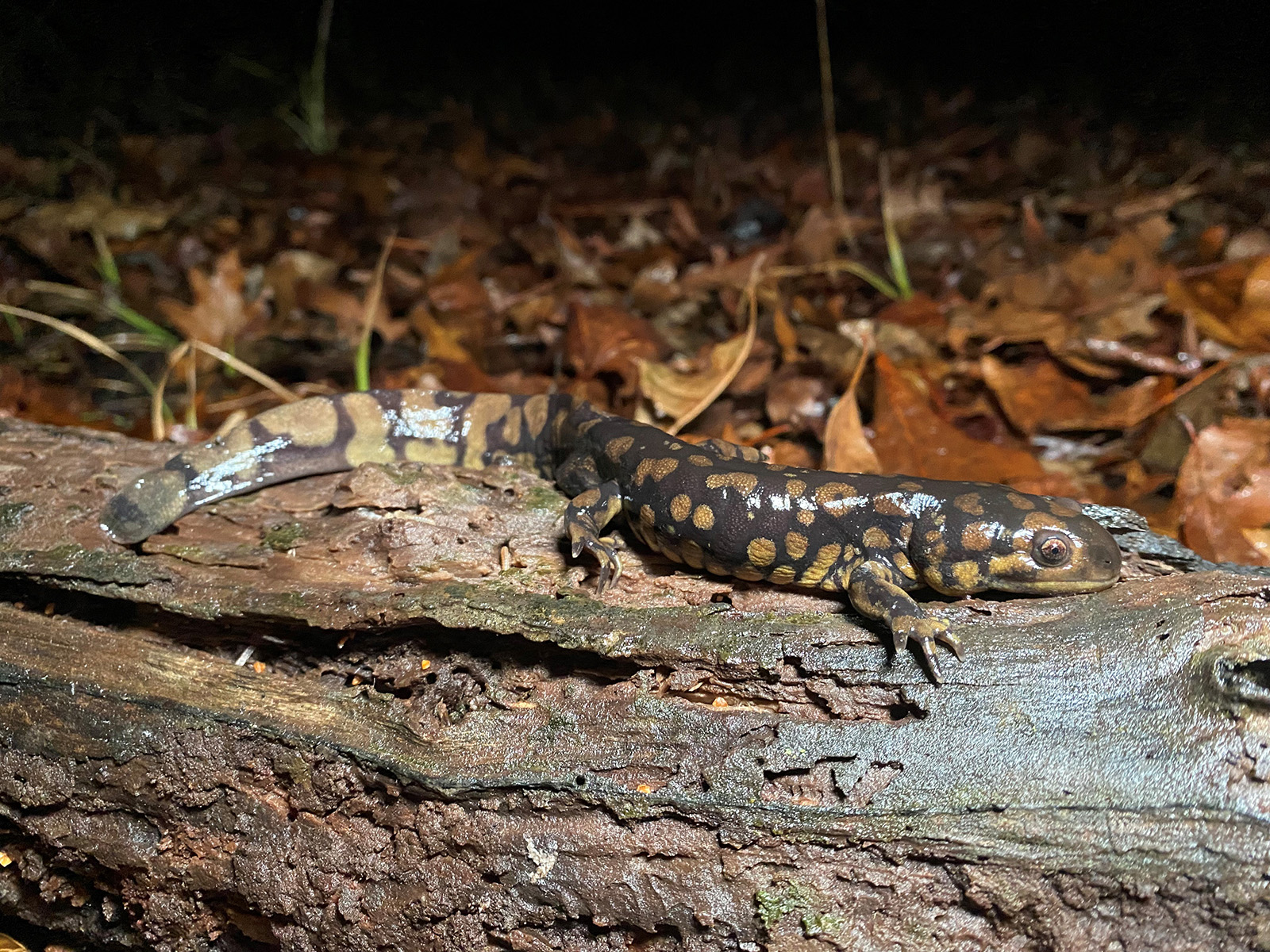

The severe dry conditions that have struck the southeastern United States this spring are creating significant challenges for Virginia’s aquatic wildlife beyond just affecting agricultural operations. Reptiles and amphibians that depend on water environments for reproduction and daily living are experiencing major disruptions to their normal patterns.
These creatures rely on various water sources, from temporary seasonal wetlands to lasting water bodies like lakes and reservoirs. When drought causes these areas to shrink and dry up, the animals become vulnerable to birds and mammals that prey on them, or they must search for alternative water sources. Some amphibians may choose to skip reproduction entirely during drought years. To survive these challenging periods, amphibians and reptiles often hide in nearby forests or dig deep into mud while waiting for rainfall to return.
Despite the challenges, occasional dry spells can actually benefit certain species and play an essential role in their long-term survival. Chicken turtles, barking treefrogs, and tiger salamanders are examples of creatures that need environments without fish to successfully reproduce and thrive. Regular drying cycles in their habitats, including sinkholes, Carolina bays, and other temporary wetlands, prevent fish populations from taking hold. The Cat Ponds sinkhole complex in Isle of Wight County serves as an example of this type of habitat, typically containing 3-5 feet of water during normal spring seasons.
This natural cycle of abundance and scarcity represents a normal pattern that typically doesn’t threaten the long-term survival of these species, provided the dry periods remain infrequent. However, if drought conditions become more common due to shifting climate patterns, these animals may lose their ability to bounce back, potentially resulting in local population losses.