
LA PAZ, Bolivia — Just half a year after taking office, Bolivia’s centrist President Rodrigo Paz finds his administration under siege from violent demonstrations that have brought the nation to a standstill.
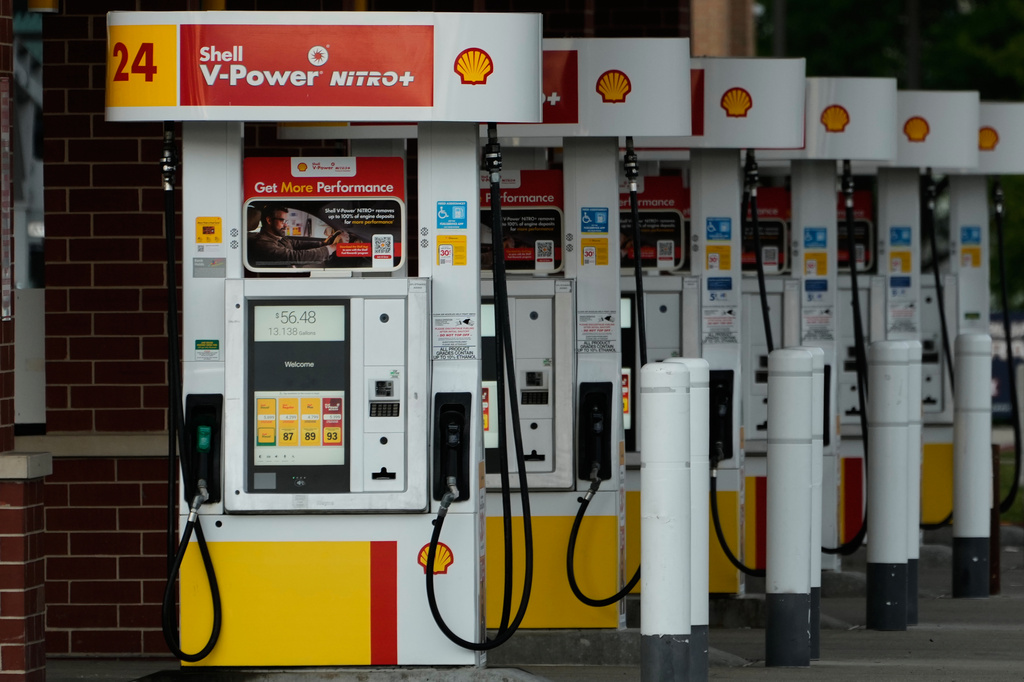
When Paz was sworn in, many Bolivians felt hopeful after enduring their country’s most severe economic downturn in decades and growing tired of nearly 20 years of mostly socialist rule. His pro-business approach quickly eliminated lengthy queues at fuel stations by securing imported gasoline. The nation’s struggling currency gained strength in unofficial markets as investors responded positively to his deficit-reduction strategy. International relationships improved dramatically, with numerous foreign delegations attending his inauguration ceremony.
However, that initial hope has turned to fear as explosive protests threaten the administration that has aligned itself with the Trump government. Protesters armed with dynamite have surrounded major urban areas, creating critical shortages of food, gasoline, and medical equipment. Rural and Indigenous communities who originally supported Paz’s promises to transform the system while maintaining social programs are now demanding he resign.
The demonstrations have exposed deep divisions within Paz’s coalition. Many former backers from Bolivia’s historically powerful Movement Toward Socialism party, known as MAS, who helped him defeat more conservative opponents, now feel abandoned by his administration.
After taking power, Paz formed partnerships with more conservative congressional factions while sidelining his populist running mate who many credited with his election victory. His cabinet appointments excluded members of Bolivia’s Indigenous majority population. He endorsed agricultural reform legislation that Indigenous farmers feared would lead to their displacement. When he eliminated fuel subsidies, prices jumped nearly 90%, and drivers complained the imported gasoline damaged their vehicles.
Paz attempted to ease the economic burden by providing direct payments to struggling families and raising minimum wages by 20%. He also reversed the contentious land legislation. However, his refusal to grant additional wage increases angered the country’s main labor organization.
The geographic layout of Bolivia makes La Paz particularly vulnerable to siege tactics. Blockades positioned on the mountainous routes into the capital can completely cut off more than 1.6 million people living in the metropolitan area, representing over 13% of Bolivia’s total population.
This blockade strategy has historical roots in Indigenous resistance movements, dating back to an 18th-century uprising against Spanish colonial rule. Similar tactics in 2003 and 2005 brought down two pro-Western administrations protesting foreign control over natural gas resources, ultimately leading to former President Evo Morales’ rise to power.
The current roadblocks surrounding La Paz have continued for four weeks. Thousands of supply trucks carrying food and critical items like hospital oxygen remain stuck on highways. Meat, eggs, and fresh produce have vanished from store shelves. Military planes are now flying subsidized poultry into the capital. Government officials report at least four deaths due to lack of medical access, while hospitals continue operating but reserve supplies for emergency cases.
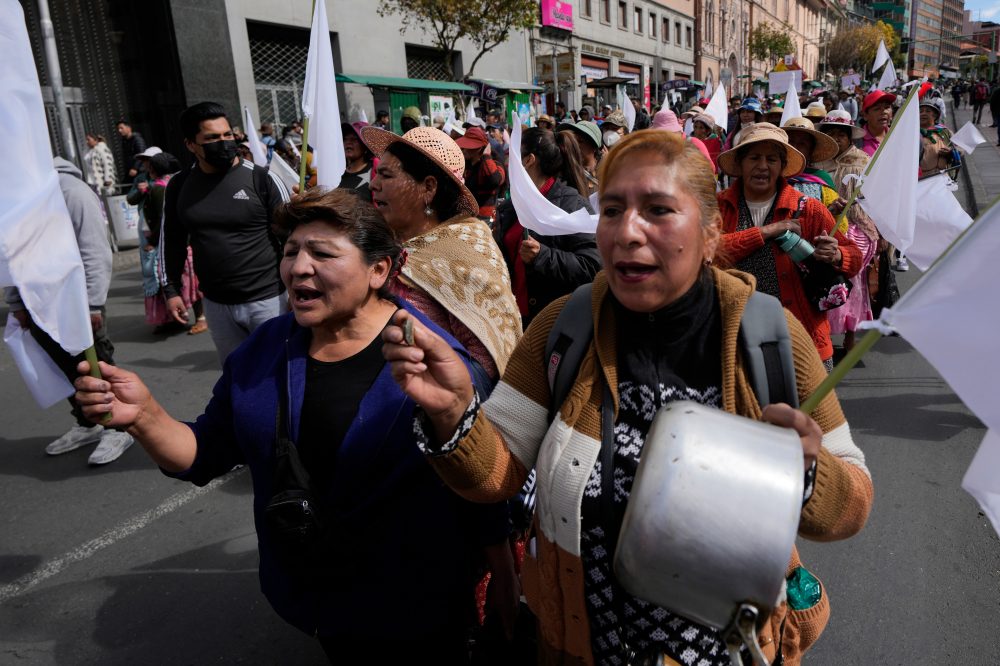
Business owners and transportation workers who oppose the protests are pressuring Paz to clear the roads by any means necessary. During a Tuesday march in the city center, they carried white flags and banged cookware while shouting, “We want solutions! We can’t take it anymore!”
Despite security forces using tear gas against demonstrators and detaining more than 120 individuals, Paz has avoided using stronger measures to break the blockades. Concerned that protester deaths at police hands would worsen the situation, he continues advocating for negotiation as the best solution.
“There shouldn’t be any deaths in Bolivia,” he stated Wednesday while establishing a council to give underrepresented social groups more influence in economic policy. “What we need is dialogue. For the love of our country, let’s talk.”
Paz has offered teacher bonuses and reached settlements with some protesting mining groups. He cut his own pay in half, dismissed his unpopular labor secretary, and named an Indigenous lawyer to replace him.
Pressure is mounting for Paz to declare a state of emergency, which would give military forces control over public order for 60 days. Following congressional approval of legislation expanding the army’s authority in civil disturbances Tuesday night, Paz now has constitutional power to take this step. He considers it a final option.
Morales, the former labor organizer who became Bolivia’s first Indigenous president in 2006 and governed for 14 years, is pushing for immediate elections.
“Paz only has two paths left: a suicidal decision like militarization or … an election in the next 90 days,” he posted on social media.
For nearly two years, Morales has been hiding in Bolivia’s central Chapare coca-farming region, avoiding arrest on human trafficking charges related to sexual contact with a 15-year-old girl. He maintains the accusations are politically driven.
Several unions and Indigenous organizations opposing Paz have connections to Morales, whose constitutional violations and power-grabbing attempts cost him much of his support base and led to his controversial 2019 removal. His supporters from coca-farming unions officially joined the protest movement last week, marching through mountain regions to the capital demanding Paz’s resignation. Paz’s administration claims Morales is financing the demonstrations, which he denies.
Trump-aligned governments recently elected throughout Latin America, including those in Argentina, Chile, Honduras, and Costa Rica, have expressed support for Paz while condemning the protests as destabilizing forces.
Colombian President Gustavo Petro, one of the region’s remaining leftist leaders, defended the protests, calling them a “struggle for Latin American dignity” and “response to geopolitical arrogance.” Bolivia subsequently expelled Colombia’s ambassador.
The United States has taken a firm position, describing the unrest as an attempted coup.
“We will not allow criminals and drug traffickers to overthrow democratically elected leaders in our hemisphere,” U.S. Secretary of State Marco Rubio declared last week. The American Embassy in La Paz announced it would close Wednesday and Thursday due to the violence.