
JUBA, South Sudan — A Vietnamese national who was deported to South Sudan as part of the Trump administration’s controversial third-country deportation program has been sent back to Vietnam, following more than a year spent in detention.
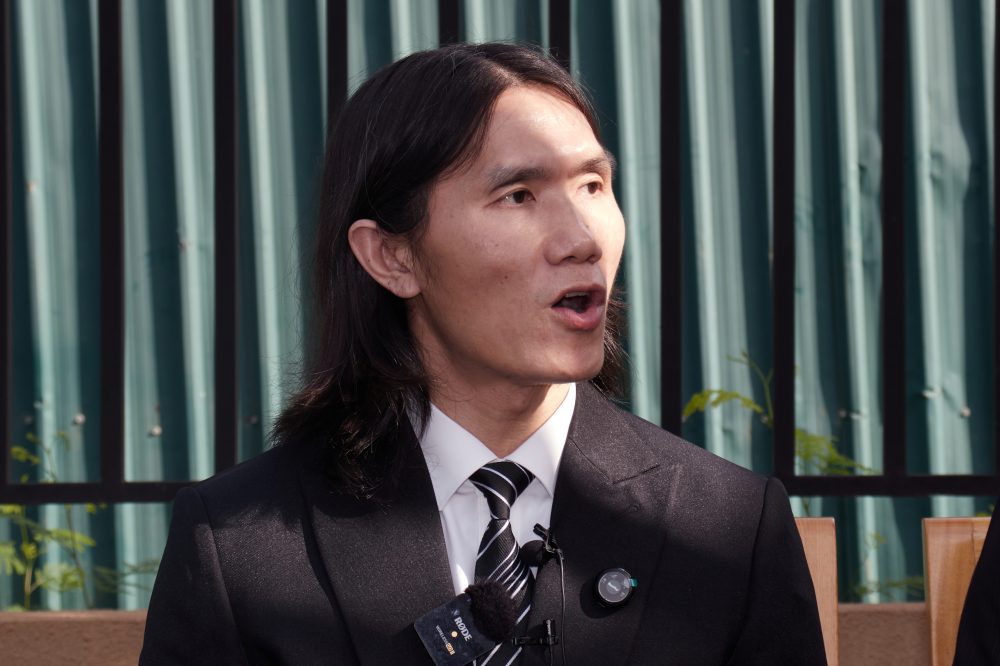
South Sudan’s Ministry of Foreign Affairs announced the return of 44-year-old Tuan Phan during a press briefing on Friday.
Ministry spokesperson Agok Anyar offered a positive assessment of Phan’s time in their custody, saying: “We are grateful that while in our custody Mr. Phan was very disciplined, joyful, and importantly, he remained healthy.”
Phan was among eight men sent to Africa in May 2025. Their deportation was briefly halted midflight when a federal judge blocked their removal to South Sudan, citing procedural problems. The men were first diverted to a U.S. military base in Djibouti before ultimately arriving in Juba, South Sudan’s capital, aboard a military aircraft in July 2025 — after the Supreme Court cleared the way for their removal.
All eight men had criminal convictions in the United States, though each had already completed their prison sentences before being taken into immigration custody.
Phan is the second of the eight men to be repatriated. Jesus Munõz-Gutierrez was previously flown back to Mexico in September. Dian Peter Domach, the only South Sudanese citizen among the group, was released upon arrival. The remaining men in the group are nationals of Cuba, Myanmar, and Laos.
Court records show Phan came to the United States as a child in 1991. In 2000, shortly after turning 18, he was sentenced to 25 years in prison after fatally shooting someone during a gang-related confrontation. A deportation order was issued against him in 2009, and Immigration and Customs Enforcement took him into custody immediately after he finished his sentence in March 2025.
While detained in Juba, the men were held in a gated residence under armed guard, according to a U.S. Senate report. A congressional aide who visited Juba last year became the first non-South Sudanese official to check on the men, the report noted.
Michael Bochenek, a senior counsel for Human Rights Watch, raised concerns about the lack of outside access to the detainees, saying it meant “there’s been no independent check on people’s treatment and conditions of confinement and raises serious questions about South Sudan’s compliance with human rights norms and essential safeguards against abuses in detention.”
The choice of South Sudan as a receiving country drew particular criticism given the nation’s poor human rights record, widespread corruption, and ongoing political instability. Armed conflict displaced more than half a million people there in 2025, according to the United Nations.
At least seven African nations have agreed to accept deportees who are not their own citizens as part of deals with the U.S. government, which has in turn agreed to pay those governments millions of dollars. The monitoring group Third Country Deportation Watch reports that more than 180 people have been sent to these countries under such arrangements.
While the terms of many of these agreements have been disclosed publicly, the specifics of the South Sudan deal remain unclear. State Department documents that have been made public show South Sudan made requests to the U.S. after agreeing to accept the men — including sanctions relief for a former top official and assistance with the prosecution of a prominent opposition figure. What South Sudan ultimately received in return has not been confirmed.