
CARACAS, Venezuela (AP) — Venezuelan lawmakers are scheduled to continue heated discussions Thursday on legislation that would determine who among hundreds of individuals imprisoned on political grounds could receive pardons and freedom.
The proposed legislation could provide relief to opposition figures, activists, journalists, human rights advocates and numerous others who have been prosecuted by the governing party throughout the last 27 years. Legislative discussions halted last week when representatives couldn’t reach consensus on several points, particularly whether individuals who fled Venezuela to escape arrest could receive pardons, revealing opposition from some government supporters to granting clemency to opposition figures.
Acting President Delcy Rodríguez introduced the legislation following the dramatic January 3 military operation in which U.S. forces apprehended former President Nicolás Maduro in Caracas and transported him to New York to face narcotics trafficking allegations.
The amnesty discussions represent another dramatic shift in Venezuelan policy, as the government has rapidly implemented directives from President Donald Trump’s administration, including recent changes to the nation’s petroleum sector regulations.
While Venezuelan officials have consistently rejected claims of holding political detainees, the proposed legislation essentially confirms their existence.
According to last week’s presentation, the measure aims to provide individuals with “a general and full amnesty for crimes or offenses committed” during designated timeframes beginning in 1999 that featured politically-motivated conflicts in Venezuela, including “acts of politically motivated violence” surrounding the 2024 presidential contest. The election’s aftermath sparked demonstrations and led to over 2,000 arrests, including minors.
Representatives approved the bill’s general framework but suspended discussions due to disputes over coverage, particularly regarding individuals the government has charged with various crimes but who avoided prosecution by remaining hidden within Venezuela or seeking refuge overseas. Government party legislators, including Maduro’s son, argued during last week’s sessions that such individuals must first face the judicial system to qualify for amnesty, since Venezuelan law prohibits trials conducted without the defendant present.
“When one sins, I don’t absolve myself at home; I must go to church, I will go to confession (and say), ‘Father, I confess that I have sinned,” stated Nicolás Maduro Guerra, drawing parallels between religious confession and Venezuela’s legal system. “Therefore, the ritual of saying, ‘I came to the rule of law, and I acknowledge that we are under the law, under strong institutions that have endured and upheld the republic’ … is important.”
His remarks, however, disregard that many accused individuals, including current prisoners, frequently encounter fabricated charges, are refused legal representation and cannot access evidence presented against them. The comments also ignore that cases are handled by compliant judges loyal to the ruling party.
While general amnesty has remained a primary goal of Venezuela’s opposition and human rights organizations, they have approached the proposal with measured hope while expressing multiple concerns regarding qualification criteria and execution.
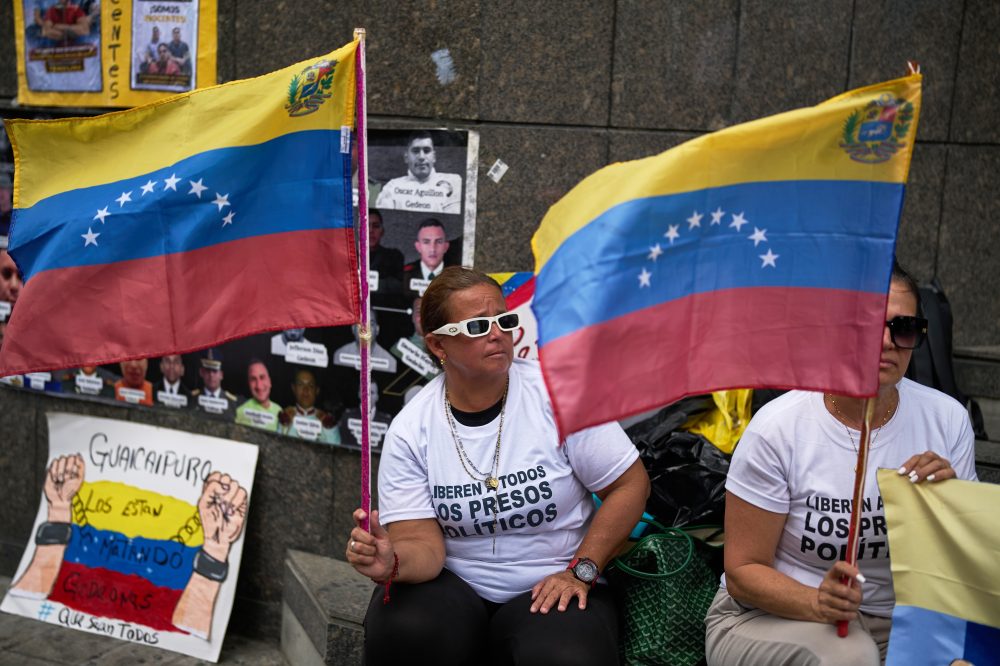
Foro Penal, a Venezuelan prisoners’ rights organization, calculates that more than 600 individuals remain detained for political reasons.
Following Maduro’s arrest, Rodríguez’s administration announced plans to release a substantial number of prisoners. However, family members and human rights monitors have criticized the sluggish release process. Foro Penal has documented 448 releases.
Relatives awaiting their loved ones’ freedom have maintained vigils outside detention centers for days. Several began hunger strikes on Saturday.