
The U.S. military carried out an attack Tuesday on a vessel suspected of transporting illegal drugs in the eastern Pacific Ocean, resulting in one fatality and two survivors, as the Trump administration presses forward with its ongoing campaign against alleged drug traffickers in Latin America.
With this latest strike, the total number of people killed in U.S. military boat attacks has reached at least 208 since the Trump administration began going after those it labels “narcoterrorists” in early September.
U.S. Southern Command, consistent with how it has handled most of its announcements about strikes in the eastern Pacific and Caribbean Sea, stated that the vessel was targeted along known drug smuggling routes. However, the military offered no evidence confirming the boat was actually carrying drugs. A video shared on X captured the boat moving through the water moments before the strike hit, sending it up in flames.
Southern Command stated that it “immediately notified U.S. Coast Guard to activate the Search and Rescue system for the survivors.”
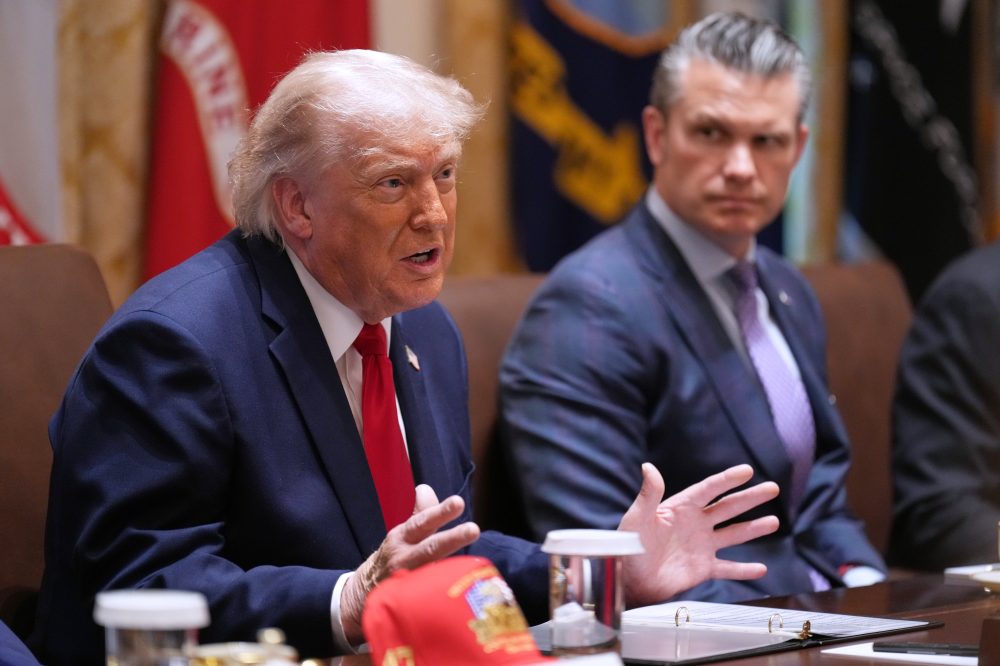
President Donald Trump has described the U.S. as being in “armed conflict” with Latin American cartels, arguing the strikes are a necessary step to cut off the drug supply flowing into the country and reduce deadly overdoses among Americans. Despite those claims, his administration has provided little supporting evidence that those killed were in fact “narcoterrorists.”
Critics have raised doubts about both the legal basis for the strikes and whether they are actually working, pointing out that fentanyl — the drug responsible for many fatal overdoses — is typically brought into the United States over land from Mexico, where it is manufactured using chemicals sourced from China and India.
The strikes have come under heavy scrutiny from some Democratic members of Congress and legal experts who study military law. The very first strike in early September raised particular alarms among certain lawmakers and military law scholars.
In that initial attack, nine people were killed, and two men who initially survived were holding onto the wreckage when the boat was struck a second time, killing them both. The White House confirmed the follow-up strike, defending it as an act of “self-defense” aimed at ensuring the vessel was fully destroyed and conducted within the laws of armed conflict.
However, some legal scholars argued that striking survivors a second time would have been unlawful regardless of whether an armed conflict was underway.
The Pentagon’s internal watchdog announced in May that it intends to examine whether the military followed a proper targeting framework when conducting the strikes. That review, however, is focused narrowly on what is known as the six-phase Joint Targeting Cycle and does not address the broader question of whether the strikes were legal, according to the inspector general’s office.