
CAIRO (AP) — An agreement appears to be taking shape between the United States and Iran to conclude their conflict and reopen the Strait of Hormuz, with U.S. President Donald Trump stating over the weekend that negotiations had been “largely completed.”
The timeline for finalizing the agreement and implementing its various components remains unclear. Trump made his comments following conversations with Middle Eastern allies, including a separate discussion with Israel. Information comes from two regional officials and a U.S. official who requested anonymity to discuss the delicate negotiations.
Here’s the current situation:
During the 12 weeks following the start of hostilities when the U.S. and Israel launched attacks on Iran that resulted in the deaths of senior officials including Supreme Leader Ayatollah Ali Khamenei, Tehran has maintained that any agreement must address ending combat on all battlefronts. This encompasses Lebanon, where the Iranian-supported Hezbollah militant organization has been engaged with Israel since the conflict’s second day.
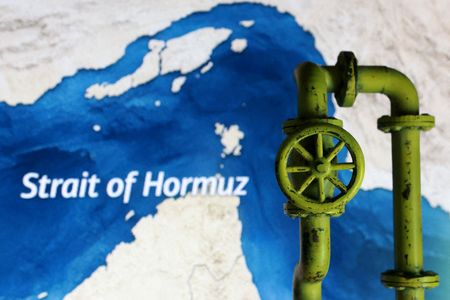
A tentative ceasefire has remained in place since April 7. Concluding the war would reduce tensions across a region that witnessed Gulf safe havens and transportation centers like the United Arab Emirates hit by Iranian missiles and drones. This would permit global commerce, including approximately 20% of the world’s oil and natural gas supplies, to resume passage through the Strait of Hormuz. It would also enable reconstruction of energy and other critical infrastructure throughout the region.
Both regional officials indicated the preliminary agreement encompasses ending hostilities between Israel and Hezbollah, along with a pledge to avoid meddling in regional countries’ internal matters, including Iran. This represents a crucial reference to Iran’s backing of proxy forces, which also encompass the Houthi rebels in Yemen, Hamas militants in Gaza and Shiite armed groups in Iraq.
The U.S. seeks Israel to maintain freedom to respond to perceived Lebanese threats while Iran opposes this, one regional official noted. The U.S. official stated the agreement would ensure Israel’s right to act against immediate threats in self-defense.
Iran’s nuclear activities, missile capabilities and proxy support were the declared justifications for U.S. and Israeli strikes against Iran. However, Tehran’s retaliatory control over the Strait of Hormuz rapidly became a primary global concern as hundreds of vessels transporting oil, natural gas, fertilizer and other commodities became stranded.
According to the developing accord, the strait would progressively reopen alongside the U.S. ending its blockade of Iranian ports initiated on April 17, the regional officials reported. The blockade has restricted Iran’s capacity to export oil and generate desperately needed revenue for its struggling economy.
The U.S. would permit Iran to market its oil through sanctions exemptions, according to one official briefed on the discussions. Sanctions relief and the release of Iran’s billions in frozen assets would be negotiated during a 60-day timeframe, the official added.
Iran’s nuclear activities and international worries about its potential weapons development underpin all tensions, with the U.S. and Israel having contemplated highly sophisticated military operations to eliminate its highly enriched uranium.
Under the prospective agreement, Tehran would consent to surrender that stockpile of highly enriched uranium, according to regional officials. One official with direct negotiation knowledge said the method of Iran’s surrender would be determined through additional discussions during the 60-day period. Some would likely be diluted while the remainder transferred to a third nation, possibly Russia, the official noted. Russia has expressed willingness to accept it.
A U.S. official verified the 60-day timeframe and stated that without Iran surrendering its stockpile, sanctions relief would not occur.
Iran possesses 440.9 kilograms (972 pounds) of uranium enriched to 60% purity, representing a brief technical advancement from weapons-grade levels of 90%, according to the International Atomic Energy Agency.
Iran claims an “inalienable” right to nuclear technology while maintaining its program serves peaceful purposes. On Sunday, President Masoud Pezeshkian told state television they were prepared “to assure the world that we are not after a nuclear weapon.”
Trump posted on social media Sunday that “our relationship with Iran is becoming a much more professional and productive one. They must understand, however, that they cannot develop or procure a Nuclear Weapon or Bomb.”
Several matters have not been addressed in descriptions of the developing deal, including Iran’s uranium enrichment status.
Another concern is Iran’s missile program, which Israel particularly has aimed to eliminate.
While the United States and Israel began the war with declared goals of encouraging Iranians to challenge their government following nationwide demonstrations earlier in the year, any discussion of leadership change in Tehran seems to be excluded.
Regarding Iran’s previously stated negotiation objectives, there appears to be no reference to U.S. military withdrawal from the region, or compensation for war-related damages.