
WASHINGTON – America’s top intelligence official testified Wednesday that while Iran’s leadership has been significantly weakened by ongoing military operations, the regime continues to function and poses threats to U.S. interests across the Middle East.
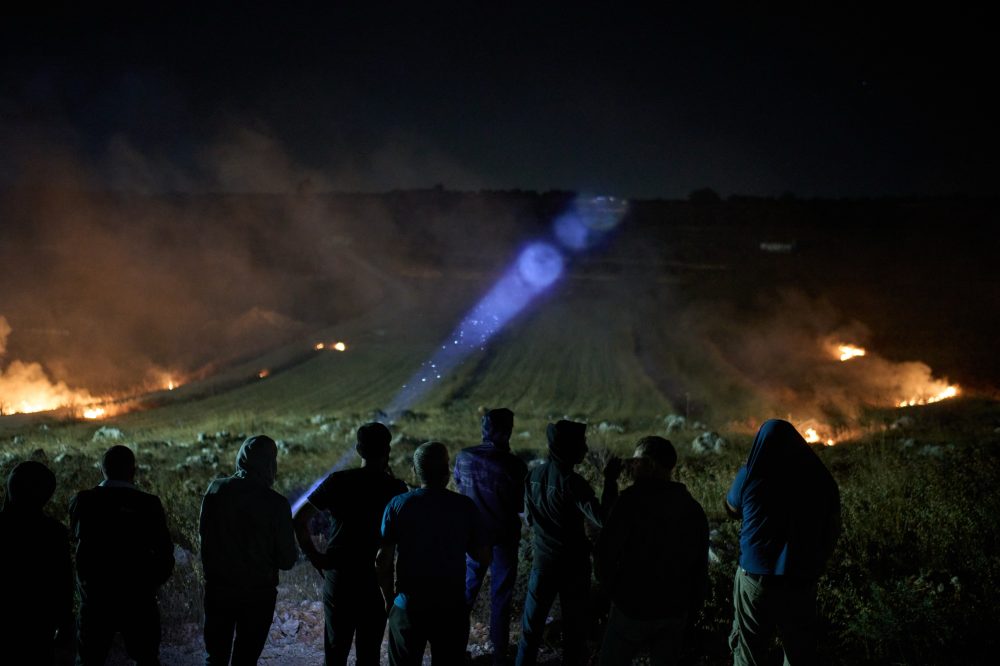
Director of National Intelligence Tulsi Gabbard told senators during the annual Worldwide Threats hearing that Iran’s government “appears to be intact but largely degraded by Operation Epic Fury,” the joint U.S.-Israeli military operation that began February 28.
“Even so, Iran and its proxies remain capable of and continue to attack U.S. and allied interests in the Middle East. If a hostile regime survives, it will seek to begin a years-long effort to rebuild its missiles and UAV (drone) forces,” Gabbard stated in her prepared remarks to the Senate Intelligence Committee.
The congressional hearing centered on the three-week-old conflict, with both Republican and Democratic lawmakers seeking additional details about military operations that have resulted in thousands of casualties, displaced millions of civilians, and caused volatility in global energy and financial markets.
Democratic members have particularly criticized the Trump administration for insufficient congressional briefings about a war costing American taxpayers billions of dollars, pushing for public hearings instead of the classified sessions held over recent weeks.
Wednesday’s testimony from Gabbard and CIA Director John Ratcliffe also addressed the surprising resignation Tuesday of a key Gabbard deputy over the Iran conflict.
Joe Kent, who led the National Counterterrorism Center and maintains close ties to Gabbard, became the first senior Trump administration official to step down in protest of the war.
“I cannot in good conscience support the ongoing war in Iran. Iran posed no imminent threat to our nation, and it is clear that we started this war due to pressure from Israel and its powerful lobby,” Kent wrote in a resignation letter shared on social media.
White House officials dismissed Kent’s statements, calling his letter filled with “false claims.”
Gabbard’s intelligence assessment highlighted ongoing confusion about Iran’s nuclear capabilities. While some officials claimed before the conflict that Iran was close to weapons development, Gabbard said Wednesday that U.S. and Israeli strikes in June completely destroyed Iran’s uranium enrichment facilities, with no reconstruction efforts detected since.
Committee Chairman Tom Cotton, an Arkansas Republican, commended President Trump’s actions, arguing they have enhanced global security. Virginia Democrat Mark Warner, the panel’s ranking member, criticized the administration’s limited congressional consultation and questioned Gabbard’s focus on domestic election investigations while reducing staff monitoring Iranian activities.
Intelligence sources indicate Trump received warnings before authorizing strikes that Iran might retaliate against U.S. Gulf partners, despite his Monday claims that Tehran’s response surprised him. Officials also briefed the president that Iran would likely attempt to block the strategic Strait of Hormuz shipping lane.
The House Intelligence Committee will conduct its own worldwide threats hearing Thursday.