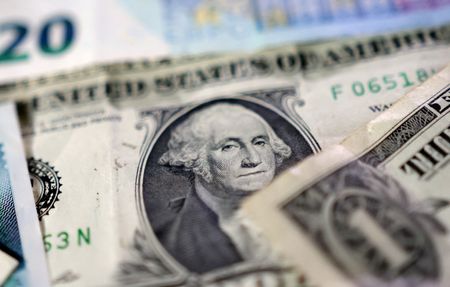

HONG KONG, April 23 – The American dollar maintained strength near its highest point in more than a week Thursday, as escalating Middle Eastern tensions between Iran and the United States drove oil costs back over the $100 mark, dampening global investor confidence.
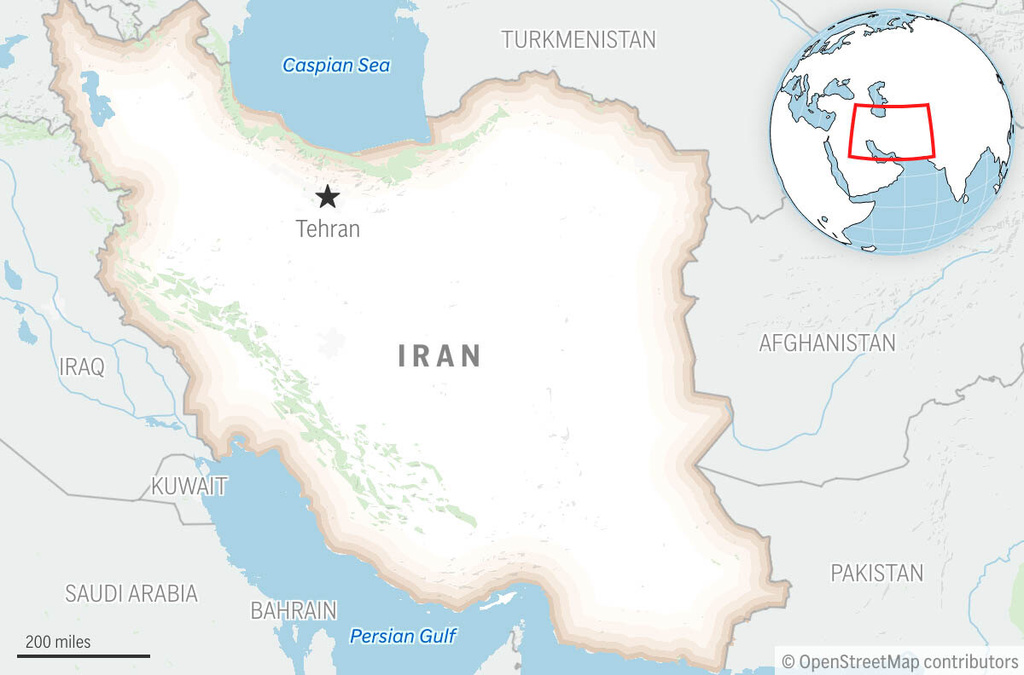
Iran captured two vessels in the Strait of Hormuz Wednesday, intensifying the conflict after President Donald Trump announced an indefinite extension of the ceasefire with Iran, though peace negotiations show no signs of resuming.
Both nations continue to clash over ceasefire terms, naval blockades, nuclear concerns, and strait control, keeping the crucial shipping channel essentially closed and creating a worldwide energy crisis that threatens global economies.
The euro traded at $1.1712 after hitting its weakest position since April 13 during the trading session. The European currency is tracking toward a 0.4% weekly decline, marking its first downturn in a month. The British pound held at $1.3497.
Australia’s currency remained stable at $0.7165, close to the four-year peak reached last week. New Zealand’s dollar was at $0.59045. The greenback slipped 0.02% against the Japanese yen to 159.48.
March saw the dollar gain strength as a safe investment when the conflict began, but hopes for a peace agreement and ceasefire earlier this month sparked a risk-taking surge, with the dollar losing most of those increases.
The US dollar index, tracking the currency against six major trading partners, reached 98.644, approaching its April 13 peak. The index is positioned for a modest 0.4% weekly increase after two consecutive weekly declines.
“Despite Trump’s ceasefire extension, tensions remain elevated with Iran refusing to reopen Hormuz while U.S. naval blockades persist, raising the risk of prolonged supply disruption,” said Skye Masters, head of markets research at National Australia Bank, in a research note.
Masters noted that extreme risks are being underestimated, and inflationary pressures will continue through the end of the year.
The nearly two-month Middle Eastern conflict has caused fuel costs to surge, pushing consumer confidence to historic lows and eliminating market expectations for interest rate reductions this year.
According to a Reuters survey of economists, the Federal Reserve will delay interest rate cuts for at least six months this year, as energy price shocks from the war have reignited existing inflation concerns.
Market attention will turn to Thursday’s release of US weekly unemployment claims and purchasing managers’ indices for indicators of whether rising energy costs are affecting the broader economic landscape.