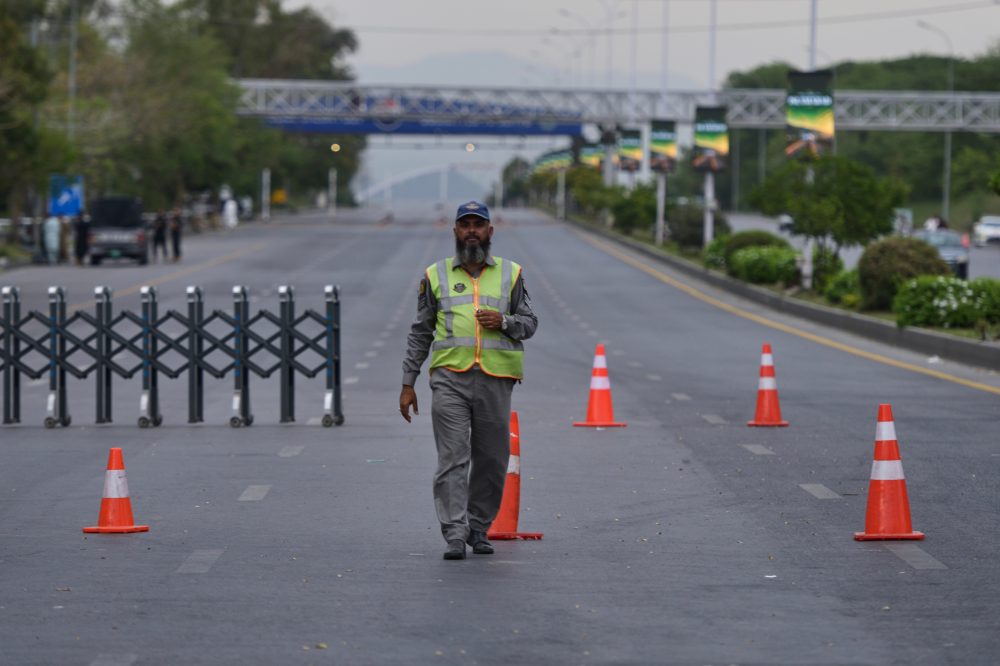

ISLAMABAD (AP) — President Trump is dispatching diplomatic representatives to Pakistan this Saturday in a fresh attempt to restart ceasefire negotiations with Iran, though Tehran has rejected face-to-face discussions as its foreign minister landed in Islamabad.
This renewed diplomatic push occurs while an open-ended ceasefire has halted most combat operations, yet economic consequences continue to escalate due to disrupted global energy shipments caused by the blocked Strait of Hormuz.
Pakistani officials have been working to bring American and Iranian representatives back to negotiations after Trump announced this week an open-ended extension of the Iran ceasefire, responding to Islamabad’s appeal for additional time to pursue diplomatic solutions.
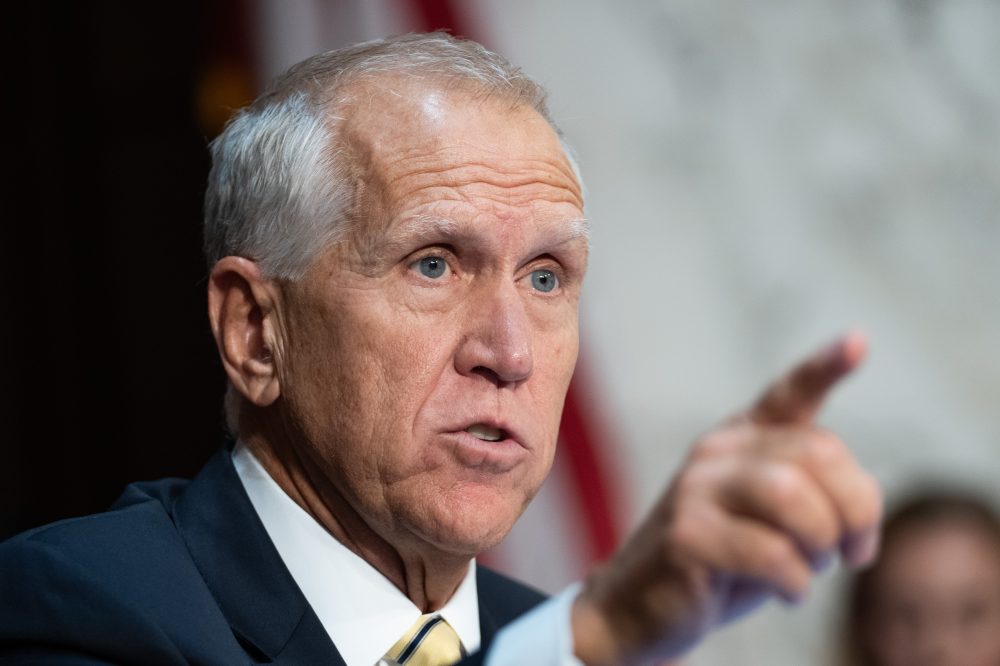
The White House announced Friday that President Trump would dispatch Steve Witkoff and Jared Kushner to meet with Iran’s Foreign Minister Abbas Araghchi. However, immediately following Araghchi’s arrival in Islamabad, his ministry declared that any discussions would be conducted indirectly, with Pakistani officials serving as intermediaries between the parties.
Araghchi and the two Trump representatives participated in extensive indirect discussions in Geneva on February 27 regarding Tehran’s nuclear program, but departed without reaching an agreement. The following day, Israel and the United States initiated military action against Iran.
White House press secretary Karoline Leavitt informed Fox News that the president had chosen to send Witkoff and Kushner to Pakistan “to hear the Iranians out.”
“We’ve certainly seen some progress from the Iranian side in the last couple of days,” Leavitt stated. She provided no specifics about what American officials were learning.
In a separate development Friday, the White House announced Trump had issued a 90-day extension to the Jones Act waiver, facilitating foreign vessels’ transport of oil and natural gas.
He initially announced a 60-day waiver in March designed to stabilize energy costs and improve oil and gas deliveries to the United States following the effective shutdown of the Strait of Hormuz, a crucial waterway that handles one-fifth of global oil shipments during peacetime.
Iran continues to maintain its grip on strait traffic, launching attacks on three vessels this week, while the United States maintains a blockade of Iranian ports and Trump has authorized the military to “shoot and kill” small boats potentially deploying mines.
Brent crude oil prices, the global benchmark, declined on this news, fluctuating between $103 and over $107 per barrel — still approximately 50% above February 28 levels when hostilities commenced.
The restricted shipments through the strait have affected global maritime commerce, including traffic through the Panama Canal on the opposite side of the world.
Since hostilities began, at least 3,375 people have died in Iran, and over 2,490 in Lebanon, where renewed conflict between Israel and the Iran-supported militant organization Hezbollah erupted two days after the war’s start, according to official sources.
Furthermore, 23 people have perished in Israel and more than a dozen in Gulf Arab nations. Fifteen Israeli soldiers in Lebanon and 13 American service members across the region have been killed.
The United Nations peacekeeping mission in southern Lebanon has also suffered losses. UNIFIL reported Friday that an Indonesian peacekeeper died from injuries received during a March 29 attack on his base, bringing to six — four Indonesians and two French — the total force members killed since the conflict began.
Conditions in Lebanon remained unstable after Trump announced Thursday that Israel and Lebanon had agreed to extend a ceasefire between Israel and Hezbollah by three weeks. Hezbollah has not taken part in the Washington-mediated diplomacy.
Israeli Prime Minister Benjamin Netanyahu, in a video message issued by his office Friday, praised “a process to achieve a historic peace between Israel and Lebanon.”
Previously, the Israeli military instructed residents of the southern Lebanese village of Deir Aames to evacuate, claiming Hezbollah was using the location to conduct attacks against Israel.
Israel’s military reported shooting down a drone over Lebanon after Hezbollah launched a small surface-to-air missile. The militant organization, meanwhile, claimed it destroyed an Israeli drone with a surface-to-air missile near the southern port city of Tyre.