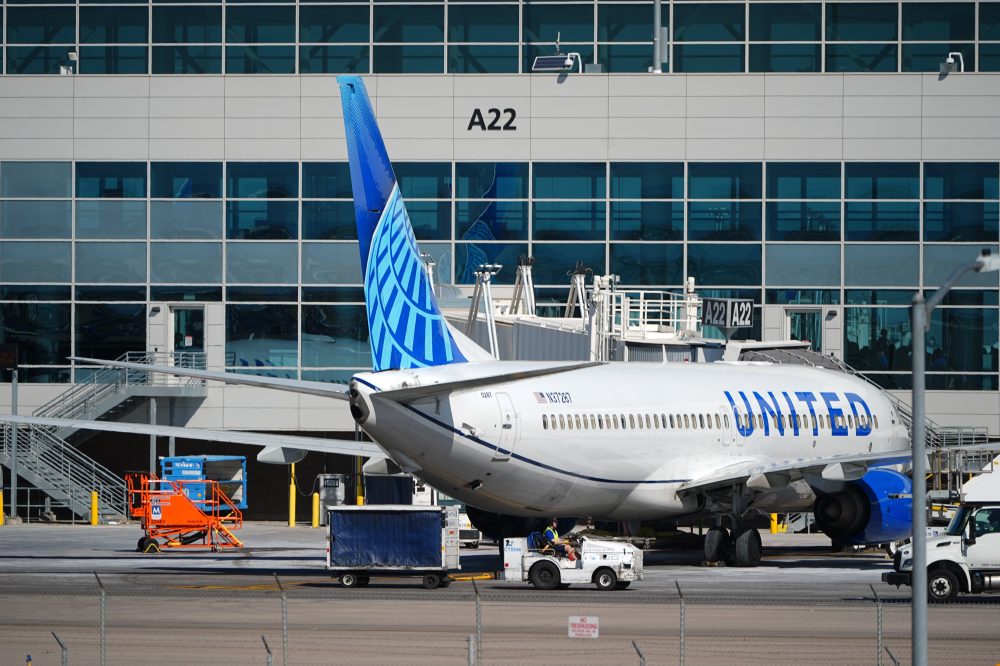

Travelers flying United Airlines will face higher baggage costs starting Friday, with the carrier adding $10 to checked bag fees as escalating fuel expenses from Middle East warfare force major airlines to raise prices.
Passengers flying within the United States, Mexico, Canada and Latin America will now be charged $45 for their initial checked bag and $55 for a second piece of luggage, the airline announced.
“This is the first time in two years the airline has raised bag fees,” United said in a statement.
Certain travelers will continue to receive complimentary first checked bags, including those with co-branded credit cards, specific loyalty program members, active military service members and passengers flying in premium class seating. Travelers who check bags within 24 hours of departure will face an extra $5 charge.
United follows JetBlue’s lead, which increased its checked bag costs on Monday by as much as $9 during busy travel seasons, as ongoing Middle East conflicts continue to severely impact worldwide oil distribution, especially around the critical Strait of Hormuz where approximately 20% of global oil normally flows. This disruption has caused petroleum prices to swing dramatically, directly impacting airline operational expenses since aircraft fuel derives from crude oil.
JetBlue explained that increasing prices for optional services used by specific passengers helps maintain affordable base ticket prices. Similar to United’s approach, JetBlue will keep offering complimentary first checked bags to qualifying customers.
Jet fuel prices averaged $4.88 per gallon on Thursday across Chicago, Houston, Los Angeles and New York markets, rising sharply from $2.50 before hostilities started on February 28, data from Argus Media shows. The energy intelligence firm monitors average pricing across these key aviation centers through its U.S. Jet Fuel Index.
During an investor conference last month, United CEO Scott Kirby told attendees that elevated jet fuel expenses had already increased operating costs by approximately $400 million. Leadership at Delta Air Lines and American Airlines shared comparable financial impacts.
Aviation fuel represents airlines’ second-largest expense category behind personnel costs. Industry experts anticipate U.S. carriers will transfer higher fuel expenses to customers through increased ancillary fees or ticket pricing, as they typically avoid fuel surcharges that several international airlines have already implemented.