
One of the most contentious banking takeover battles Europe has seen in years is moving closer to a resolution — and the outcome is looking increasingly like a win for Italy’s UniCredit.
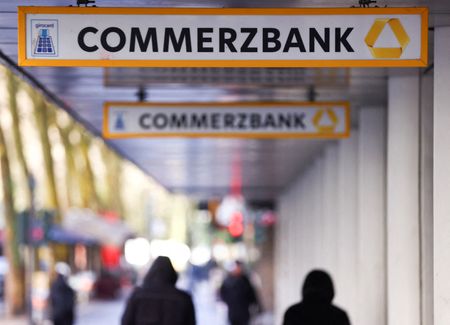
The Milan-based bank, led by CEO Andrea Orcel since 2021, announced Wednesday that it now controls 48% of German lender Commerzbank’s shares. The disclosure came after UniCredit launched a below-market-value hostile takeover bid for Commerzbank in May, valuing the deal at roughly €45 billion — or about $51 billion.
UniCredit first acquired a stake in Commerzbank back in September 2024, setting off what has become nearly a two-year standoff between Italy’s and Germany’s second-largest banks.
Despite widespread German opposition to the deal, Orcel’s push appears to be gaining unstoppable momentum. Even critics are beginning to acknowledge that the question is no longer whether UniCredit will take control, but rather how and when it will happen.
Commerzbank fired back at Wednesday’s announcement, noting that fewer than 2% of retail and institutional investors had accepted the offer, with the majority of those coming from what it described as “banks and parties connected to UniCredit.” The German bank said this highlighted the deal’s “low attractiveness.”
Nevertheless, Boris Rhein, the premier of Hesse — the German state where Commerzbank is headquartered — called on both sides Wednesday to begin meaningful discussions.
“The priority now is to find common ground and engage in constructive dialogue at the highest levels of management,” Rhein said in an emailed statement.
So what does Orcel do next? His available moves include adjusting certain swap contracts UniCredit currently holds in order to push its ownership stake to 59%, purchasing additional shares on the open market once regulatory approvals are finalized next year, or entering direct negotiations with Commerzbank about a formal merger agreement.
Both banks say they are open to sitting down together, though they have yet to find any common ground. Orcel could potentially force a full merger if he secures 75% of shares, but with the German government still holding a 12% stake, he would face an uphill battle against Berlin and remaining minority shareholders.
Commerzbank’s leadership, which has spent months fighting to preserve the bank’s independence, is now shifting its message — pushing for a higher premium for shareholders. Some shareholders have indicated they would be willing to sell if the price were right.
Manfred Pointke, founder of investment firm MPPM and a Commerzbank investor, put it bluntly: “It’s inevitable that UniCredit will gain a majority stake here and that the whole thing will go through. It’s just a matter of time.”
Pointke said he has not yet sold his shares but would likely do so if the price reached €45 or €47, compared to UniCredit’s current offer of under €40 per share.
Orcel anticipates that the European Central Bank will soon determine that UniCredit effectively controls Commerzbank. Reaching that determination while UniCredit holds less than 50% would carry higher capital costs than if the bank had already crossed the majority threshold. Surpassing 50% ownership would also allow UniCredit to appoint half of Commerzbank’s supervisory board members, something Orcel has suggested the bank may pursue.
Analysts at Citi noted this week that “it is increasingly likely that UniCredit will now have to consolidate it post the tender offer and ECB approvals.”
Still, the path to the finish line is not without obstacles. One major complication is a wave of banking mergers and acquisitions happening in UniCredit’s home market of Italy, where competitors are combining forces. Committing fully to the Commerzbank deal could limit UniCredit’s ability to participate in those domestic deals, potentially weakening its standing at home.
German bureaucratic resistance also looms large. Former UniCredit employees who were involved in the bank’s acquisition of German lender HVB two decades ago warned that opposition from German authorities could bog the bank down in red tape.
Thorsten Beck, director of the Florence School of Banking and Finance, described Orcel’s aggressive approach as “a bit like the ‘elephant in the porcelain shop.’”
“Yes, there is indeed a big risk that this will not work out well for UniCredit. Then again, in finance, money often wins the day, and I can imagine senior management at Commerzbank falling in line once everything is done,” Beck said.