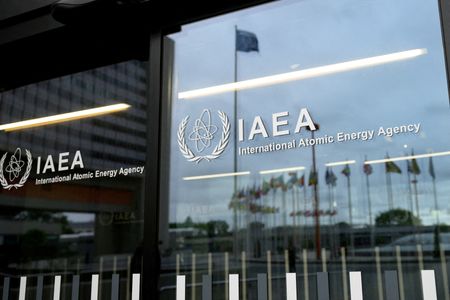

The director of the United Nations nuclear monitoring agency urged Iran on Monday to restart cooperation so that inspections can begin again at nuclear facilities bombed by the United States and Israel one year ago, while Western nations pushed for a formal demand at the agency’s governing board meeting.
Rafael Grossi, who leads the International Atomic Energy Agency, made his appeal as Iran continues to withhold information about what occurred at the bombed nuclear locations or the fate of nuclear materials, including uranium enriched close to weapons-grade levels, that were housed at those facilities.
Although the bombing attacks destroyed or severely damaged uranium-enrichment equipment, officials believe much of the highly enriched uranium survived, including material enriched up to 60% – dangerously close to the approximately 90% level needed for weapons production.
Speaking to the IAEA’s 35-member Board of Governors during their quarterly session, Grossi emphasized the urgency of renewed dialogue.
“It’s very important that we re-engage,” Grossi stated during his board address.
In his written remarks to board members, he elaborated: “I call on Iran to engage the Agency constructively in order to facilitate the full and effective implementation of safeguards in Iran.”
While the IAEA has managed to conduct some inspections at facilities that escaped bombing, these activities stopped in February due to safety concerns from additional military action. Since then, inspectors have only been permitted to monitor Iran’s operational nuclear power facility at Bushehr.
During a news conference following his board presentation, Grossi described the communication breakdown with Iranian officials.
“I have sporadic contacts with the foreign minister and others, but basically the channel of communication is broken,” he explained.
Meanwhile, the United States spearheaded an effort, with formal support from Britain, France and Germany, to have the board approve a resolution this week demanding Iran provide “precise information” about the bombed locations and enriched uranium “without delay.”
Diplomatic sources indicated the resolution would likely gain approval by a substantial margin, similar to a comparable measure passed in November. However, they warned it could complicate ongoing discussions between Washington and Tehran focused on extending their current ceasefire and establishing groundwork for broader negotiations covering Iran’s nuclear program.
Iran’s diplomatic mission to the IAEA responded sharply on social media, criticizing the proposed resolution and defending their position.
“Responsibility for an internationally wrongful act rests with the perpetrator and cannot be transferred to the victim. The Board must not be instrumentalized to relieve those who carried out these attacks of their responsibility,” the mission posted, referencing the U.S. bombing of Iranian nuclear installations.
Iranian officials have historically reacted to critical board resolutions by expanding nuclear activities or reducing cooperation with the IAEA.
“The Board should be cautious on the path forward. Coercion and confrontation do not lead to cooperation. It undermines prospects of a diplomatic solution,” the mission added.
The diplomatic tensions occurred as Israel and Iran conducted military strikes over the weekend and Monday, prompting President Donald Trump to demand they “immediately stop ‘shooting.’”
In comments to the Financial Times following Iran’s missile attacks on Israel Sunday, Trump indicated the military escalation would not affect potential negotiations.
“It’s not going to have any impact on the deal (with Iran),” Trump said.