
The director-general of the International Atomic Energy Agency believes the bulk of Iran’s highly enriched uranium remains stored at the Isfahan nuclear facility, despite the site being targeted by airstrikes during last year’s conflict and additional attacks in the ongoing U.S.-Israeli military campaign.
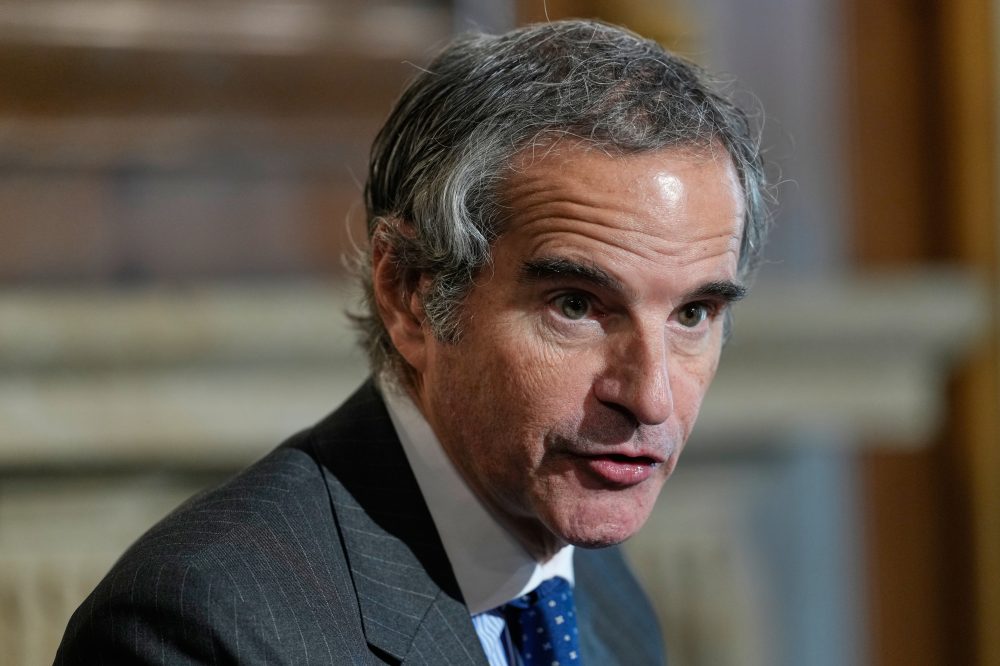
In a Tuesday interview with The Associated Press, Rafael Grossi revealed that his agency possesses satellite imagery documenting the impact of recent U.S.-Israeli strikes on Iranian targets and that “we continue to get information.”
International inspections at the Isfahan location ceased when a 12-day military conflict erupted last June, during which American forces targeted three Iranian nuclear installations.
According to Grossi, the nuclear oversight organization estimates that a substantial portion of Iran’s highly enriched uranium “was stored there in June 2025 when the 12-day war broke out, and it has been there ever since.”
“We haven’t been able to inspect or to reject that the material is there and that the seals — the IAEA seals — remain there,” Grossi explained. “I hope we’ll be able to do that, so what I tell you is our best estimate.”
Satellite photographs from Airbus captured a vehicle carrying 18 blue containers entering a tunnel system at the Isfahan Nuclear Technology Center on June 9, 2025, shortly before the June military action commenced. Intelligence suggests these containers, suspected of holding highly enriched uranium, are still located there.
The nuclear agency chief also expressed interest in examining Iran’s atomic facilities at Natanz and Fordo, which house additional nuclear materials.
As a signatory to the Nuclear Nonproliferation Treaty, currently under review at United Nations headquarters, Iran must allow IAEA inspectors access to its nuclear installations, Grossi noted.
Current data shows Iran possesses 440.9 kilograms (972 pounds) of uranium enriched to 60% purity, which represents a brief technical leap from weapons-grade concentrations of 90%. Grossi estimates approximately 200 kilograms (about 440 pounds) sits in underground storage at Isfahan.
The Iranian nuclear stockpile could potentially enable the construction of up to 10 nuclear weapons if Tehran chose to weaponize its atomic program, according to Grossi’s previous statements to the AP.
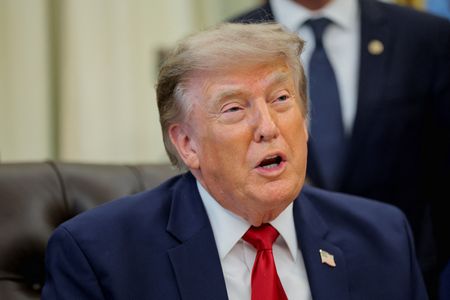
Iranian officials have consistently maintained their nuclear activities serve peaceful purposes. President Donald Trump has cited preventing Iranian nuclear weapons development as a primary justification for military action, while claiming the June strikes “obliterated” Iran’s atomic capabilities.
The IAEA chief disclosed discussions with Russia and other nations about removing Iran’s highly enriched uranium from the country — a complicated undertaking requiring either diplomatic agreement or significant U.S. military intervention in hostile territory.
“What’s going to be important is that that material leaves Iran” or undergoes dilution to lower enrichment levels, Grossi stated.
While the IAEA took part in the most recent round of U.S.-Iran nuclear discussions in February, it has not participated in current ceasefire talks facilitated by Pakistan. The agency maintains separate communications with Washington and informal contact with Tehran.
Iran’s newest proposal would delay nuclear program negotiations while ending its control over the Strait of Hormuz, a vital shipping lane for oil and gas, contingent on U.S. blockade removal and conflict termination.
Grossi interpreted this as evidence that Iran seeks to prioritize how it addresses American demands, including restricting its ballistic missile development and managing proxy groups like Hezbollah in Lebanon, Hamas in Gaza, and the Houthis in Yemen.
“What is indispensable is that we address it,” the IAEA director-general emphasized regarding Iran’s nuclear program.
Success requires “political will” from Tehran, he stressed, adding that “Iran has to be convinced that it is important to negotiate.”
While both Iranian leadership and the Republican president express willingness to negotiate, Grossi observed that “where the frustration kicks in, apparently for both, is that they do not seem to come to agreement, or be at an eye-to-eye level on what needs to be done first, or on how.”
Despite challenges, Grossi, who describes himself as a negotiator seeking a “flicker of hope,” pointed out that “one important thing is that there is apparently an interest on both sides to come to an agreement.”
Secretary of State Marco Rubio told Fox News Channel this week that stopping Iran from obtaining nuclear weapons “remains the core issue” requiring attention.
When questioned about Iranian sincerity in negotiations, Rubio characterized them as experienced negotiators seeking to delay action, emphasizing any deal must be “one that definitively prevents them from sprinting towards a nuclear weapon at any point.”
Grossi concluded that comprehensive IAEA inspections of Iranian nuclear facilities must occur under any political settlement.