
NAIROBI, Kenya — A United Nations investigation has determined that Uganda provided military assistance for South Sudan’s aerial bombardments that resulted in civilian deaths and severe injuries from burns approximately one year ago.
According to findings from the U.N. Commission on Human Rights in South Sudan, coordinated air attacks conducted by both nations “targeted civilian-populated areas predominantly affecting Nuer communities in opposition-affiliated areas.” The Nuer people represent South Sudan’s second-largest ethnic community.
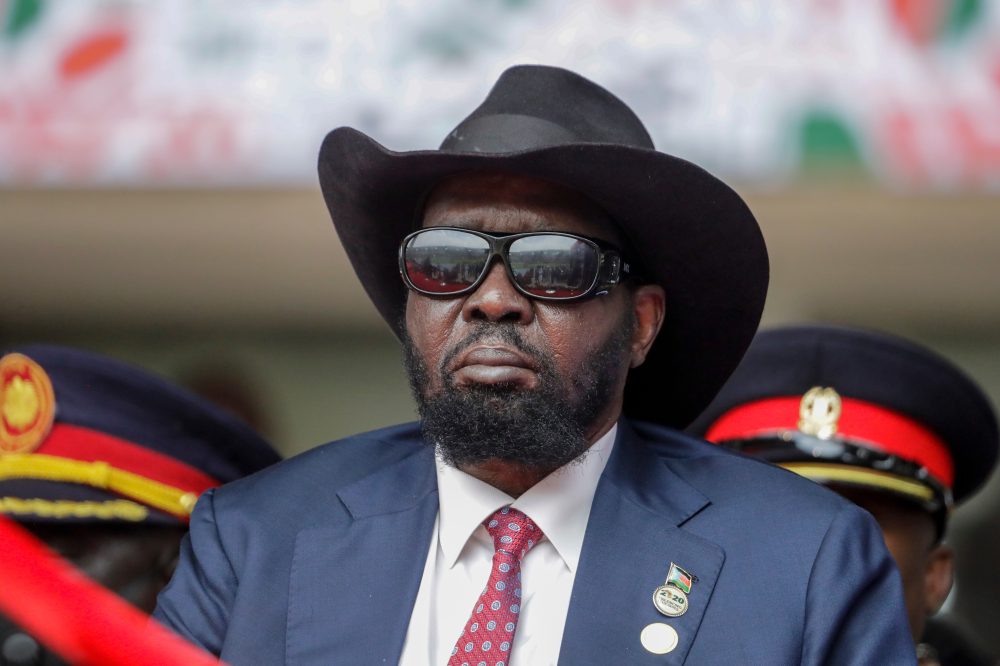
Uganda has military personnel stationed in South Sudan supporting President Salva Kiir’s administration against forces aligned with opposition leader Riek Machar, who lost his vice presidential position in September following criminal allegations. Uganda’s military leadership states their troops operate in South Sudan through government invitation under a mutual security pact.
As Machar currently faces trial on charges including treason, combat has escalated in regions considered his power base, where government forces work to scatter rebel fighters.
The U.N. investigation noted that the bombardments extensively employed “improvised incendiary devices.”
Uganda deployed forces to South Sudan in March 2025, bringing military equipment including tanks and armored vehicles. This deployment occurred after militia forces captured a military installation near the Ethiopian frontier.
Several weeks following this incident, authorities placed Machar under house detention for his suspected involvement in coordinating the assault, accusations he refutes. The government has subsequently depended on air-based attacks to establish dominance in expanding conflicts with Machar’s supporters and additional armed factions.
Uganda’s President Yoweri Museveni previously deployed his military to intervene in South Sudan’s civil war from 2013-2018 on several occasions supporting Kiir’s side, contributing to shifting the conflict in his direction. Current hostilities jeopardize a peace agreement established in 2018.
During a March 2025 assault in Wunaliet, located 15 kilometers (9 miles) from Juba, the capital, residences were consumed by flames after aircraft released “barrels of liquid that ignited,” according to witness accounts provided to the U.N. commission. Those who survived reported observing “civilians set alight, including a boy burnt beyond recognition.” Military quarters housing opposition troops also sustained damage.
Following the attack by one day, Gen. Muhoozi Kainerugaba, who is Museveni’s son and serves as chief military commander, published on X that Uganda had struck opposition forces.
“Our air offensive will not stop until Riek Machar makes peace with my uncle Afande Salva,” he wrote. Though Kiir is not Kainerugaba’s actual uncle, this language demonstrates the tight relationship between both governments.
The social media post, which was subsequently removed, included video footage that appeared to display explosive fires recorded from inside an aircraft.
Aircraft tracking information indicates that a turboprop aircraft that flew circular patterns over the bombing location had departed from Uganda earlier that day and was under Ugandan military operation, according to the U.N. findings.
The investigation stops short of definitively establishing Uganda’s participation level in operations or their precise role, noting only evidence of “high degrees of planning, operational integration and command-level authorization.”
In November, Uganda rejected claims of participating in South Sudan combat missions. The country has also disputed using “chemical weapons and barrel bombs” and maintains it does not target civilians.
Previously, Amnesty International concluded that Uganda had breached a 2018 U.N. weapons embargo prohibiting member nations from supplying most military aid to South Sudan, including arms and personnel. A U.N. expert panel reached similar conclusions in November.