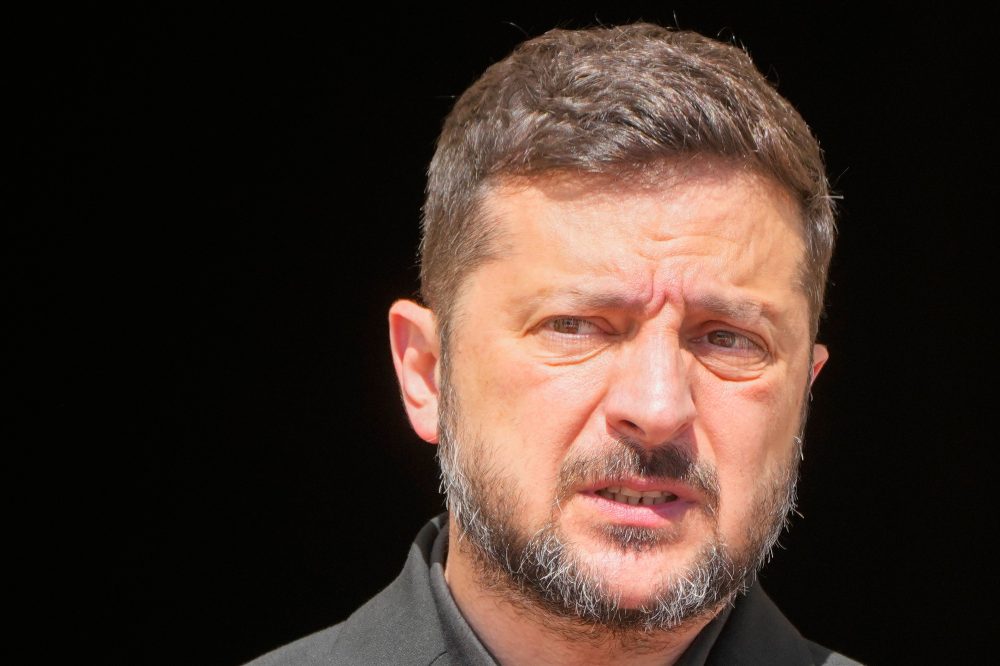

KYIV, Ukraine — Ukraine’s dismissed defense minister announced Thursday that he has turned down President Volodymyr Zelenskyy’s attempts to bring him back into government in a new capacity, where he would have continued contributing to the fight against Russia’s ongoing invasion, now more than four years old.
Mykhailo Fedorov was removed from his position last week after only six months on the job. Despite the brief tenure, he became a well-known and widely admired figure for modernizing Ukraine’s armed forces and leveraging technology in innovative ways to gain advantages in the war. He also made significant strides in cracking down on corruption within military procurement.
His firing set off street demonstrations throughout Ukraine, placing pressure on Zelenskyy while drawing celebratory responses from officials in Moscow.
In a public statement, Fedorov argued that leading the Defense Ministry was one of just three positions that “actually shape the course of the war,” the other two being the presidency and the top military commander role.
He made clear he would “not accept any position other than” defense minister — a direct and defiant challenge to Zelenskyy’s authority.
Earlier Thursday, the Ukrainian president had announced he offered Fedorov the role of deputy prime minister for military innovation.
Fedorov said his goal was to complete the reforms he had started at the Defense Ministry, which were cut short after his working relationship deteriorated with commander-in-chief Oleksandr Syrskyi — a Soviet-trained military leader seen as representing the old guard of Ukraine’s armed forces.
“No other role carries the actual authority to combat procurement corruption, complete the army’s transformation, plan and execute asymmetric operations against the enemy, root out a culture of lies and unaccountability within the system,” Fedorov said, referring to the Defense Ministry position.
He said he came into the role last January with a strategy focused on strengthening air defenses, holding the front line, and weakening Russia’s economy through long-range strikes.
“Our collective results created something unprecedented, a window of opportunity to force Russia into peace through strength. And we cannot afford to lose it,” he added.