
KYIV, Ukraine (AP) — Ukraine has obtained a massive financial boost from the European Union with the approval of a 90 billion-euro ($106 billion) loan package designed to support the nation’s ongoing defense efforts.
The substantial funding was officially authorized on Thursday, following President Volodymyr Zelenskyy’s announcement that repairs to the Ukrainian portion of the Druzhba pipeline were complete and oil deliveries to Slovakia and Hungary would restart — requirements tied to releasing the money.
The loan approval faced months of delays due to internal disagreements within the 27-member European Union, particularly opposition from former Hungarian Prime Minister Viktor Orbán, considered Moscow’s strongest supporter within the bloc. Orbán’s electoral defeat earlier this month removed a major barrier to finalizing the agreement.
The timing of this financial assistance proves crucial for Ukraine’s survival. International Monetary Fund projections indicate Ukraine confronts a funding shortfall of approximately 136 billion euros ($158 billion) through the next two years.
This EU assistance is projected to address roughly two-thirds of Ukraine’s financial requirements for 2026 and 2027. Government officials cautioned that without this support, Kyiv risked depleting resources needed for essential government operations and military activities by spring. Initial funding disbursements are anticipated within the coming months.
Ukraine will receive access to 45 billion euros ($53 billion) for the current year’s remaining period, plus an additional 45 billion euros ($53 billion) throughout 2027.
The loan structure allocates approximately one-third of the money toward supporting Ukraine’s governmental budget, while remaining funds will finance defense needs, including military equipment purchases and expanding domestic weapons manufacturing capabilities.
European Union leadership initially agreed to this loan in December 2025, but progress stalled for months due to disagreements concerning the Ukraine-controlled segment of the Druzhba oil pipeline.
Last December, the Czech Republic, Hungary and Slovakia consented to allow their EU partners to secure the funds through international borrowing, provided the three nations weren’t required to participate directly.
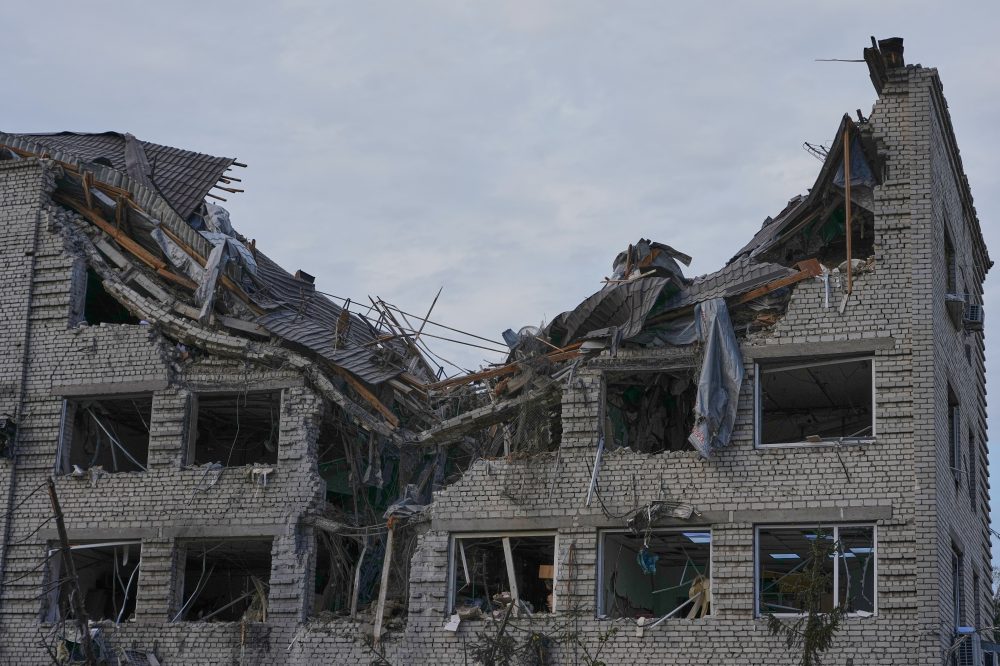
The pipeline system, which transports Russian oil to Slovakia and Hungary, ceased operations in late January following Ukrainian officials’ reports of damage from Russian military strikes. Hungarian and Slovakian leadership claimed Ukraine intentionally disrupted supplies, escalating the matter into a significant political conflict within the EU.
The loan received final approval after Hungary and Slovakia confirmed Ukraine had restored pipeline operations this week. Zelenskyy announced completion of necessary repairs, eliminating the last barrier to authorization.
Thursday’s final procedural step involved unanimous approval of modifications to the EU’s long-term budget framework to accommodate future expenditures. This requirement explained why Hungary and Slovakia’s cooperation was essential.
European Union leadership has established that Ukraine will only begin loan repayment after Russia provides war reparations.
Instead of utilizing Russia’s frozen central bank assets as loan collateral, member nations chose a more conservative strategy. European leaders decided they would secure borrowing to provide Ukraine with the necessary funds.
Worries about possible Russian retaliation and legal complications prompted them to maintain the asset freeze until Moscow concludes its military campaign and compensates Ukraine for war damages.