
FRANKFURT, Germany — The United Arab Emirates has withdrawn from the OPEC oil alliance, disrupting a partnership that has lasted more than six decades and controls roughly 40% of global crude oil production while wielding significant power over worldwide energy costs.
After completing its departure in May, the UAE announced Tuesday its intention to pursue its established objective of boosting crude oil output “in a gradual and measured manner, aligned with demand and market conditions.”
Currently, this move has limited immediate impact on energy prices because Iran continues to obstruct the Strait of Hormuz, preventing Persian Gulf nations like the UAE from shipping much of their oil to international markets. However, the withdrawal could create lasting consequences for global oil pricing.
Here’s what the UAE’s OPEC departure means:
The Organization of the Petroleum Exporting Countries began in Baghdad during September 1960, established by Iran, Iraq, Kuwait, Saudi Arabia and Venezuela. The alliance now includes 12 nations — including the UAE until recently — that control over 80% of global proven oil reserves. Additional members include Algeria, Equatorial Guinea, Gabon, Libya, Nigeria and the Republic of the Congo.
Based in Vienna, the organization works to manage oil prices through coordinated production adjustments among member states.
The strategy involves maintaining prices at levels sufficient for member nations to fund government operations and profit from their natural resources — while avoiding prices so elevated they trigger economic downturns in oil-consuming nations or reduce energy demand significantly.
This strategy has occasionally sparked criticism from American officials, where gasoline costs carry major political implications. Former President Donald Trump once claimed OPEC was “ripping off the rest of the world,” while his successor Joe Biden also pressured the organization to boost oil production.
According to OPEC, its mission is “to coordinate and unify petroleum policies among member countries, in order to secure fair and stable prices for petroleum producers; an efficient, economic and regular supply of petroleum to consuming nations; and a fair return on capital to those investing in the industry.”
OPEC’s establishment marked a transition from Western corporate dominance of oil markets toward greater control by resource-rich nations over their petroleum assets and revenues.
The organization’s production decisions have occasionally created major global economic impacts. During 1973, Arab member states launched an oil embargo against the United States and other nations supporting Israel in the Yom Kippur War. Energy prices increased fourfold, creating lengthy queues at gas stations across America.
During 2016, OPEC partnered with ten additional oil-producing nations, led by Russia, creating the OPEC+ alliance.
The UAE wants greater autonomy over its oil sales volume. While cartels maintain higher prices, they limit member earnings and market position compared to non-cartel competitors. Tensions have persisted between the UAE and Saudi Arabia, OPEC’s largest producer and unofficial cartel leader.
One motivation for increased production now: Industry analysts believe oil demand will reach its peak in coming years as global energy systems shift toward renewable sources that don’t produce carbon dioxide, the greenhouse gas driving climate change.
This means current underground oil reserves may hold greater value today than in the future when petroleum consumption drops, making production restrictions potentially costly in terms of lost revenue.
The UAE’s exit eliminates one of OPEC’s limited members capable of rapidly expanding production — the primary tool the cartel uses to influence oil prices, according to Jorge Leon, head of geopolitical analysis at Rystad Energy.
“A structurally weaker OPEC, with less spare capacity concentrated within the group, will find it increasingly difficult to calibrate supply and stabilize prices,” Leon said. “The net effect points to a more fragmented supply landscape and a potentially more volatile oil market over time as OPEC’s capacity to smooth imbalances diminishes.”
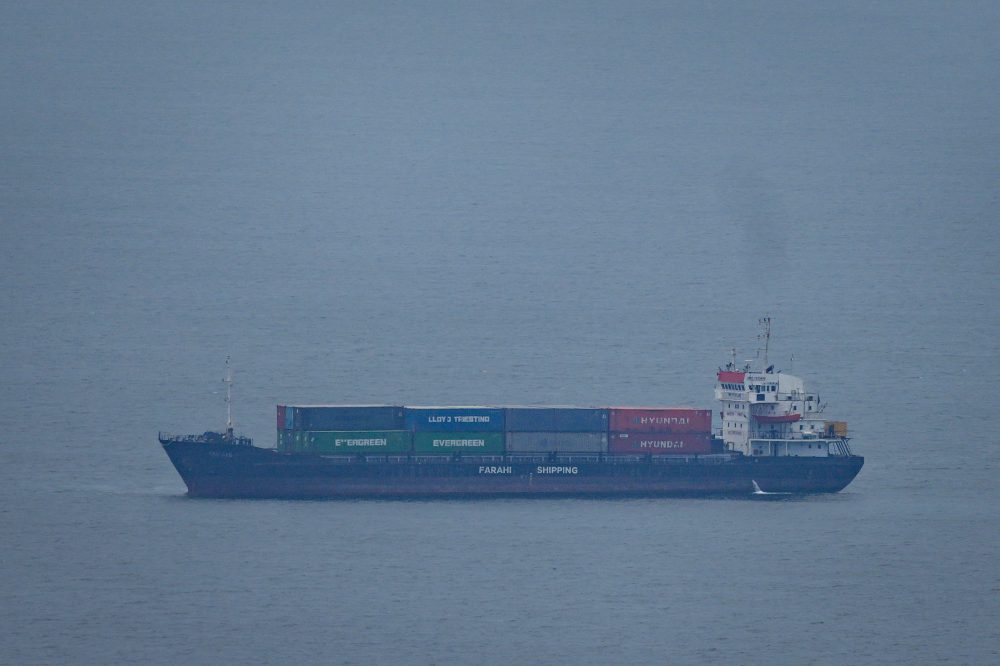
Iran’s blockade of the Strait of Hormuz prevents tanker traffic carrying one-fifth of global oil and gas supplies. This obstruction stops much petroleum from Persian Gulf producers like Saudi Arabia and the UAE from reaching buyers. Currently, this represents the primary factor influencing oil prices, which have increased dramatically consequently.
Should the UAE succeed in expanding oil production following the conflict, this could accelerate price returns to pre-war levels, according to Michael Brown, research strategist at Pepperstone foreign exchange brokerage.
“As for crude in the here and now, all that really matters is whether the Strait of Hormuz is open or closed,” he said. “At present, it’s essentially shut, tightening supply conditions day by day and probably seeing benchmarks continue to grind higher on a daily basis as well.”