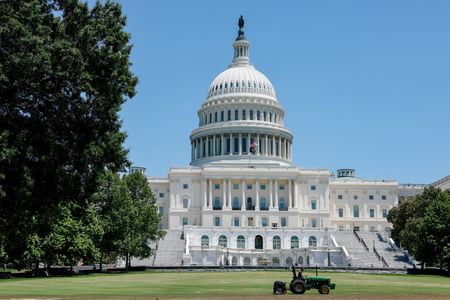

WASHINGTON — The U.S. Senate gave its approval Monday to a bipartisan affordable housing bill, with congressional leaders pushing to wrap up the process by the end of this week so President Donald Trump can sign it into law.
The bill — officially titled the 21st Century ROAD to Housing Act — is aimed at increasing the number of affordable single-family homes available to buyers at a time when high prices remain the top concern for voters heading into November’s midterm elections. The legislation now moves to the House of Representatives for a final vote.
Addressing a Long-Standing Housing Shortage
The United States has faced a shortage of affordable housing for years, driven by outdated building regulations and the lingering effects of the 2008 financial crisis — particularly in southeastern states, the industrial Midwest, and parts of the Southwest. Estimates of how many new homes are needed vary widely, ranging from 1.5 million to as many as 7.3 million.
Limiting Wall Street’s Role in the Housing Market
One of the bill’s key provisions would cap the number of single-family homes that large Wall Street investment firms can hold at 350 per company. An earlier Senate version of the bill would have required those firms to sell off their holdings within seven years, but that provision was removed from the final legislation. Supporters of the cap say big institutional investors drive up home prices by outbidding everyday buyers.
Cutting Through Red Tape on Construction
The bill would waive or speed up environmental reviews tied to construction projects and would free up additional funding through federal block grants to states. A U.S. Department of Agriculture rural housing program would also be overhauled under the measure. In total, the legislation combines 36 housing proposals passed by the Senate in March with 11 approved by the House in May.
Political Stakes Heading Into Midterms
Republicans, including President Trump, made tackling inflation a central promise of their 2024 campaign — but prices have continued to climb. The annual inflation rate stood at 4.2% for the 12 months ending in May, the highest level in more than three years, largely driven by rising energy costs connected to the U.S. conflict with Iran. Even if a peace agreement is reached, analysts warn it could take time for energy prices to fall. Meanwhile, the average 30-year fixed-rate mortgage has risen to 6.47%, up from 6.11% in mid-March. With midterm campaigns intensifying, both Republicans and Democrats are eager to show voters they are taking concrete steps to address the housing crisis.
Helping First-Time and Younger Buyers
The average first-time homebuyer is now 40 years old, according to supporters of the bill. The legislation includes a pilot program designed to expand access to small-dollar mortgages — those with principal balances of $100,000 or less — in an effort to bring younger buyers into the market.
Senate Banking Committee Chairman Tim Scott, a Republican from South Carolina, said the bill would “lower costs, expand housing supply, cut red tape.” U.S. Senator Elizabeth Warren of Massachusetts, the committee’s senior Democrat, described it as “the biggest housing bill in more than 30 years.”