
Diplomatic efforts between the United States and Iran have shown advancement, though significant disagreements persist regarding nuclear policies and control of the strategically vital Strait of Hormuz, according to statements from both nations on Saturday.
Iran’s lead negotiator Mohammad Baqer Qalibaf acknowledged advancement in recent discussions while emphasizing remaining challenges. “We have had progress but there is still a big distance between us,” Qalibaf stated to government media outlets, referencing negotiations held the previous weekend. “There are some issues on which we insist … They also have red lines. But these issues could be just one or two.”
President Trump confirmed positive diplomatic engagement, describing “very good conversations” with Iranian officials, though he provided no additional specifics about the discussions.
The ongoing conflict, which entered its eighth week, has resulted in thousands of casualties and expanded into Israeli military operations in Lebanon. Oil markets have experienced significant volatility due to the effective shutdown of the strait, a waterway that previously handled twenty percent of global petroleum shipments.
**IRAN REASSERTS WATERWAY CONTROL**
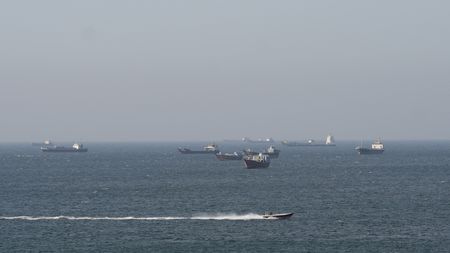
Tehran made a strategic shift on Saturday, once again asserting authority over the crucial shipping channel and introducing new uncertainties to the conflict that began February 28 when U.S. and Israeli forces launched their campaign.
Iranian officials justified their actions as a response to continued American port blockades, characterizing these measures as ceasefire violations. Supreme Leader Ayatollah Mojtaba Khamenei declared Iran’s naval forces prepared to deliver “new bitter defeats” against adversaries. Trump characterized Iran’s waterway closure as “blackmail” while simultaneously expressing optimism about ongoing negotiations.
Just one day earlier, Iran had announced the temporary reopening of the Strait of Hormuz following a separate U.S.-mediated ten-day ceasefire arrangement between Israel and Lebanon established Thursday.
Trump defended American blockade policies and issued warnings “to start dropping bombs again” should the nations fail to achieve a comprehensive agreement before Wednesday’s ceasefire expiration.
Iran’s Supreme National Security Council announced that Tehran’s waterway oversight would include requiring payments for security, safety, and environmental protection services, according to state media reports.
**SHIPPING VESSELS REPORT ATTACKS**
Maritime security concerns intensified after multiple vessels reported coming under attack Saturday while attempting passage through the waterway. Indian government officials summoned Iran’s ambassador in New Delhi, expressing serious concerns that two Indian-flagged ships had been fired upon in the strait.
U.S. Central Command confirmed American forces were maintaining a maritime blockade against Iran but declined to address Iran’s latest waterway actions.
Iran’s policy reversal increased risks that petroleum and natural gas shipments through the strait could face continued disruptions as Trump considers whether to extend the current ceasefire.
During last weekend’s negotiations in Islamabad, American representatives proposed a twenty-year suspension of all Iranian nuclear activities, while Iran countered with a three-to-five-year halt, according to sources familiar with the proposals.
Iran’s deputy foreign minister Saeed Khatibzadeh indicated no schedule had been established for additional negotiation rounds, stating that a framework agreement must be reached initially.
Trump had indicated Friday that weekend discussions were possible and suggested the parties were “very close to making a deal.”
Saturday showed no evidence of preparation for renewed talks in Pakistan’s capital, where the most senior U.S.-Iran diplomatic engagement since the 1979 Islamic Revolution concluded without agreement the previous weekend.
Senior national security advisors convened at the White House Saturday morning. Trump subsequently visited Trump National Golf Club with chief envoy Steve Witkoff, one of his Iran negotiation team members.
Political pressure for conflict resolution has intensified as Trump’s Republican colleagues defend slim Congressional majorities in November’s midterm elections amid elevated U.S. gasoline costs, increasing inflation, and declining presidential approval ratings.
Petroleum prices dropped approximately ten percent and global financial markets surged Friday on prospects of resumed marine traffic through the strait. However, hundreds of vessels and roughly 20,000 maritime workers remain stranded in the Gulf awaiting waterway passage, shipping industry sources reported.