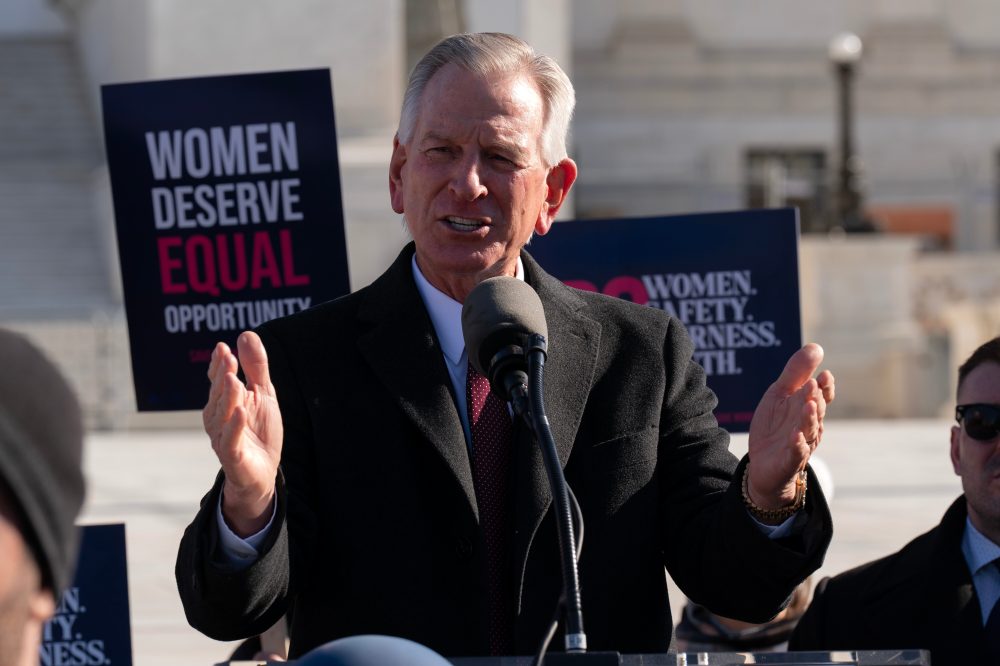

HOOVER, Ala. — U.S. Sen. Tommy Tuberville is no stranger to questions about where he actually calls home. For years, critics have argued the Alabama senator spends more time in Florida than in the state he represents. Now, as he campaigns for governor, those same questions are back — and this time they carry real legal weight.
Alabama Republican Party leaders are set to gather Sunday for a private hearing to decide whether Tuberville has satisfied the Alabama Constitution’s requirement that a governor be a resident of the state for at least seven years before the election. The challenge was brought by Ken McFeeters, who ran against Tuberville in last month’s Republican primary.
McFeeters was blunt about his position. “Does he live in Alabama? No,” he said. “He doesn’t live here.”
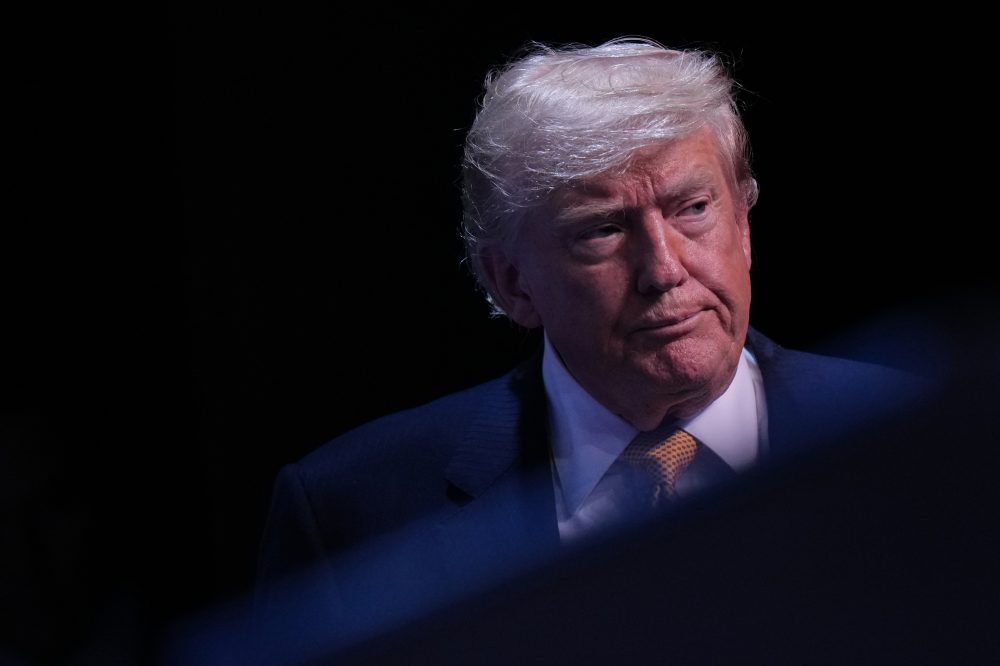
Tuberville, who crushed McFeeters in the primary with 85% of the vote and has received an endorsement from President Donald Trump, has dismissed the challenge entirely and insists he meets all legal requirements to run.
His campaign chairman, Jordan Doufexis, struck a confident tone earlier this month. “We’re happy to put the residency issue to bed,” Doufexis said, adding that “it’s time to provide the facts and move on.”
Property records, however, paint a complicated picture. Tuberville and his wife own a beachfront home in Florida appraised at $5.6 million. His campaign points to a much more modest property in Auburn as his official residence — a 1,551-square-foot home with an appraised value of roughly $291,780.
That Auburn property was originally purchased by Tuberville’s wife and son in 2017. The senator’s name was added to the deed later, while his son’s name was subsequently removed. Records indicate both the Auburn and Florida properties have recently been placed into a revocable trust.
To support his residency claim, Tuberville released Alabama income tax returns covering 2018 through 2024, though much of the information in those documents was blacked out. The returns list a redacted Auburn address and suggest the Tubervilles established Alabama residency in August 2018.
Voting records complicate that timeline. Tuberville cast a ballot in Florida in November 2018. He did not register to vote in Alabama until March 28, 2019 — roughly two weeks before he announced his Senate campaign.
McFeeters also pointed to Tuberville’s Senate travel records, which he said show the senator frequently traveling to the Florida Panhandle — further evidence, in his view, that Florida is where Tuberville truly resides.
Tuberville spent a decade as head football coach at Auburn University, from 1999 to 2008, before moving on to coaching positions at Texas Tech and the University of Cincinnati. After stepping away from coaching, he joined ESPN as an analyst. In a 2017 promotional video for the network, Tuberville spoke openly about having moved to Florida following his retirement from coaching.
The constitutional language at the center of this dispute is itself somewhat unclear. The Alabama Constitution states that the governor and lieutenant governor “shall have been citizens of the United States ten years and resident citizens of this state at least seven years next before the date of their election” — wording that legal experts say could complicate any court fight over the matter.
Alabama Republican Party Chairman Scott Stadthagen is expected to publicly announce the panel’s decision following Sunday’s closed-door session.
McFeeters said he has little confidence the hearing will result in a thorough examination of the issue. Still, he believes the question of where Tuberville lives will continue to follow the candidate if the party allows him to remain on the ballot.
This is not the first time Tuberville has weathered this kind of scrutiny. When he ran for Senate in 2020, his opponent Jeff Sessions — who had previously held the same seat before becoming President Trump’s first attorney general — ran a television ad calling Tuberville a “Florida Man.” Tuberville still won that Republican primary runoff with 61% of the vote to Sessions’ 39%, and went on to defeat Democratic incumbent Doug Jones in the general election.
Tuberville and Jones now appear headed for a rematch, this time in the race for governor in November.