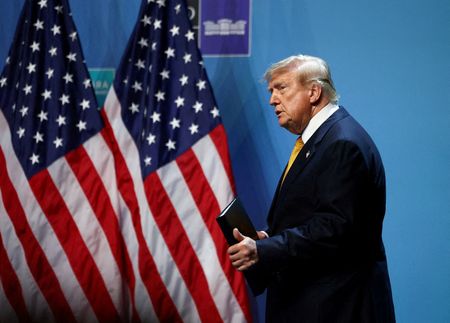

WASHINGTON – President Donald Trump found himself facing a potential crisis as an American pilot was shot down and trapped behind enemy lines in Iran. However, a successful Easter weekend rescue mission provided the commander-in-chief with an opportunity to change the narrative surrounding the controversial conflict.
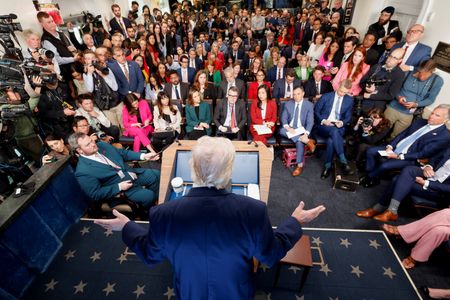
During a Monday press conference, Trump transformed what could have been a military disaster into a story of triumph, emphasizing the dramatic elements of the operation while attempting to bolster support for the five-week war that has faced significant opposition from American voters.
“We have incredibly talented people, and if the time comes, we move heaven and earth to bring them home safely,” Trump told reporters at the White House. “God was watching us.”
This marked the second occasion in recent days where the president personally addressed the public about Iran, taking direct control of messaging in his characteristic style. Trump has faced challenges explaining his justification for the bombing campaign, including during a confusing televised speech last week. His expletive-filled social media posts on Easter Sunday also raised concerns among reporters about the 79-year-old president’s mental state.
Monday’s briefing showcased Trump’s typical political approach: capitalizing on a dramatic moment to control the narrative and using it to rally support from Americans who have grown tired of military conflicts.
The president provided extensive details about the complex rescue operation, which he acknowledged benefited from fortunate circumstances. Trump administration officials, who typically avoid discussing internal operations, assisted reporters over the weekend in crafting detailed accounts of the remarkable mission.
Trump painted a picture of an injured officer who managed to avoid capture in Iranian territory for 48 hours, while search-and-rescue teams navigated mountainous terrain and worked to extract aircraft from muddy conditions before destroying equipment to prevent it from falling into enemy possession.
“Hundreds of people could have been killed,” Trump informed reporters, acknowledging that some military advisors had recommended against proceeding with the operation.
“How many men did you send altogether?” Trump asked the chairman of the Joint Chiefs of Staff, General Dan Caine, who was present at the briefing.
“I’d love to keep that a secret,” Caine responded.
“I’ll keep it a secret, but it was hundreds and hundreds of these people,” Trump revealed.
The packed briefing room saw reporters jostling for position, crowding aisles and doorways while competing for the president’s attention.
While Trump appeared to enjoy discussing the military’s capabilities – even suggesting at another White House event that the rescue could inspire a future film – he also threatened legal action against a journalist from an unidentified news organization who initially reported the successful rescue of one airman before the second missing pilot was located.
The president continued voicing dissatisfaction with the pace of diplomatic efforts to conclude the war, criticism of U.S. allies refusing to provide assistance, and concerns about the blocked Strait of Hormuz, a crucial pathway for global energy transportation. When questioned about his mental health, Trump responded, “I don’t care about critics.”
When asked about his plans to either intensify or conclude the conflict, Trump remained evasive.
“I can’t tell you,” Trump stated. “I don’t know.”
As the lengthy news conference neared its end, Trump attempted to frame victory as virtually certain.
“We won, OK?” he declared. “They are militarily defeated.”