
Military hostilities with Iran have now stretched into their second week, with President Donald Trump shutting down potential peace talks by demanding Tehran’s complete capitulation while fighting spreads across the Middle East.
The conflict’s scope has broadened significantly since U.S. and Israeli forces initiated strikes against Iran on February 28, with combat now extending into Lebanon and affecting several Gulf nations that house American military bases.
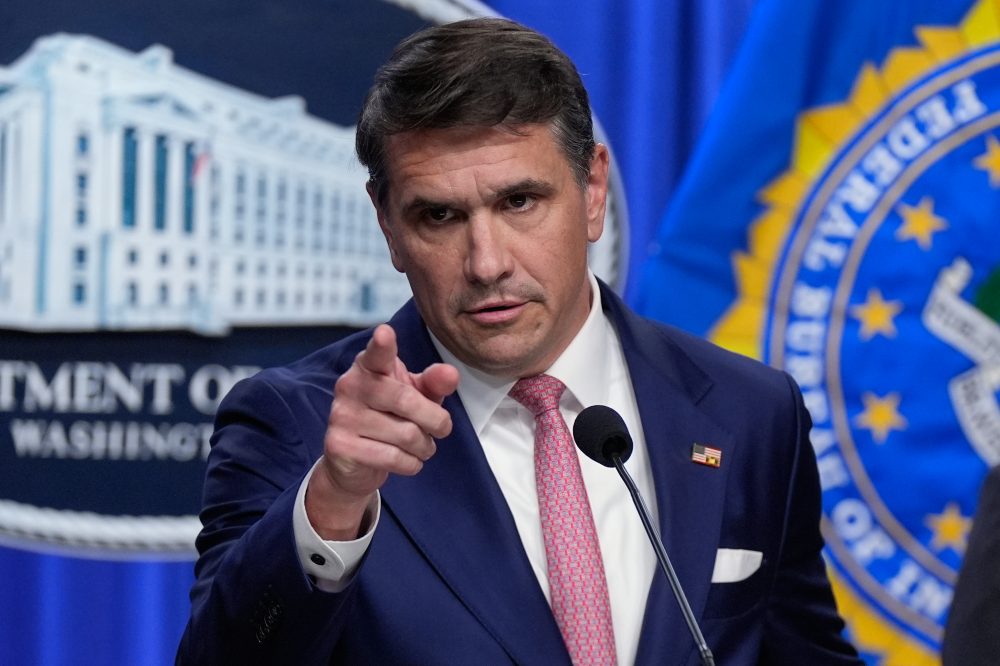
Trump took to social media Friday to reject any negotiated settlement, posting: “There will be no deal with Iran except UNCONDITIONAL SURRENDER! After that, and the selection of a GREAT & ACCEPTABLE Leader(s), we, and many of our wonderful and very brave allies and partners, will work tirelessly to bring Iran back from the brink of destruction, making it economically bigger, better, and stronger than ever before.”
His ultimatum came just hours after Iran’s president had indicated that several nations were attempting to broker a cease-fire, briefly suggesting diplomatic channels might remain open.
The President’s hardline stance has created uncertainty about when or how the fighting might conclude, particularly as he has provided varying explanations for American objectives in the region.
Iranian forces have retaliated by launching attacks against Israel and multiple Gulf countries hosting U.S. military facilities. On Friday, explosions echoed across Israel as defense systems intercepted incoming Iranian projectiles, while the UAE, Kuwait, Qatar, Bahrain and Saudi Arabia all faced fresh drone and missile strikes.
Israeli operations have significantly escalated in Lebanon, with forces conducting intensive bombing campaigns against Beirut after ordering the complete evacuation of the city’s southern districts – an unprecedented directive affecting hundreds of thousands of residents.
“We’re sleeping here in the streets – some in cars, some on the street, some on the beach,” described Jamal Seifeddin, a 43-year-old who fled Beirut’s southern neighborhoods and spent Friday night outdoors in the downtown area.
The Norwegian Refugee Council estimates approximately 300,000 Lebanese have been forced from their homes over the past four days as Israel targets Hezbollah, the Iranian-backed militia that has wielded significant political influence in Lebanon since the 1980s.
Israeli military officials report destroying 80% of Iran’s air defense capabilities during the campaign’s first week while eliminating more than 60% of the country’s missile launching systems. On Friday, 50 Israeli aircraft struck an underground bunker reportedly still being used by Iranian leadership beneath the ruins of slain Supreme Leader Ayatollah Ali Khamenei’s Tehran compound.
Early Saturday morning, Iran’s Tasnim news agency reported strikes against Tehran’s Mehrabad Airport, though neither Iran’s Revolutionary Guard nor Hezbollah immediately responded to the developments.
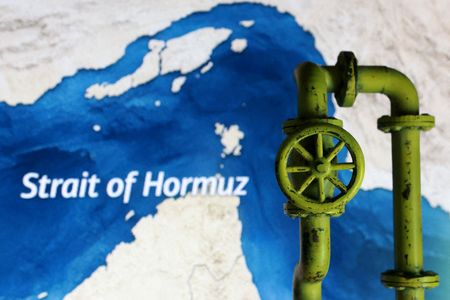
Trump’s surrender demands have rattled global financial markets, with European and American stock indices declining Friday as oil prices reached multi-year highs. The critical Strait of Hormuz shipping corridor has been effectively shut down, further disrupting energy markets.
In a Thursday Reuters interview, Trump stated he must have input in selecting Iran’s next supreme leader following Khamenei’s death on the conflict’s opening day – an extraordinary assertion of influence over a nation of more than 90 million people.
Iran’s U.N. Ambassador Amir Saeid Iravani rejected such interference, telling reporters that new leadership would be chosen “in accordance with our constitutional procedures and solely by the will of the Iranian people – without any foreign interference.”
Israeli officials have openly declared their intention to overthrow Iran’s current government system, reportedly coordinating with Iranian Kurdish militias near the border to exploit the conflict for territorial gains.
Iran characterizes the hostilities as an unprovoked assault and describes Khamenei’s killing as an assassination.
The Washington Post reported Friday that Russia has begun providing Iran with intelligence about U.S. naval and air force positions throughout the Middle East, helping compensate for Iran’s degraded surveillance capabilities.
Trump met with defense contractor executives Friday, later announcing they had committed to accelerating weapons production as recent operations have depleted military supplies. White House spokesperson Karoline Leavitt said current stockpiles remain sufficient for Iran operations, which she estimated would require four to six weeks to complete.
Casualty figures continue mounting across the region. Iran’s U.N. ambassador cited Red Crescent data showing at least 1,332 Iranian deaths since fighting began February 28. Lebanon’s health ministry has documented 123 fatalities and 683 injuries from Israeli attacks, while Iranian strikes have killed 11 Israelis and at least six American service members.
Two U.S. officials told Reuters that military investigators believe American forces were likely responsible for an apparent strike on an Iranian girls’ school that killed numerous children during the war’s first day, though final conclusions have not been reached.