
WASHINGTON — President Trump announced Monday that the United States plans to take over control of the Strait of Hormuz and expects to be paid by other nations for doing so.
Speaking during a phone interview on Fox News’ “Fox & Friends” program, Trump laid out his vision for American control of the strategically important waterway. “We’re going to keep the strait, and we’ll probably run it. We’ll become the guardian of the strait. Maybe we’ll call it the guardian angel of the strait. And we should be reimbursed for that,” he said.
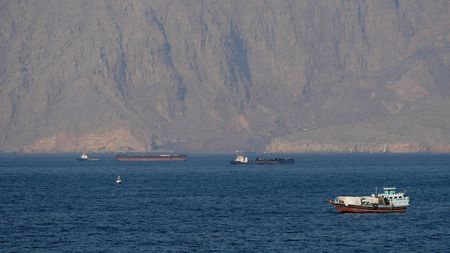
The Strait of Hormuz serves as a critical passage for global oil supplies, and control over it has emerged as a central flashpoint in the ongoing conflict. Iran’s effective blockade of the strait has sent energy prices climbing and raised alarm about inflation worldwide.
Trump made clear he expects financial compensation for the U.S. role. “We’re going to guard it. We’re going to get paid for guarding it — a lot of money,” he said, adding, “We’re going to be reimbursed, because the other nations are very wealthy. They’re on our side, and we can’t be expected to do that for nothing.”
The president also expressed frustration over what he described as a broken agreement. “We had a deal. It was a done deal, and then they broke it. They always break it. We’ve had 10 deals with these people, and so we’re just going to hit them very hard,” Trump said.
Iran announced the waterway’s closure on Saturday, citing what it called an unauthorized transit. On Sunday, Tehran said the suspension of passage would remain in place until “stability and calm” were restored, with permits to be issued at that point.
Iran’s Revolutionary Guards issued a statement Monday warning that the only path to restoring normal shipping through the strait was for the U.S. to end its military involvement in the waterway. The statement cautioned that “continued interference could lead to greater incidents in the global oil and gas sector.”
Over the weekend and into Monday, U.S. and Iranian forces traded heavy missile and drone strikes. Tehran claimed it had targeted U.S. military installations throughout the Gulf region while keeping the strait shut, a move that pushed oil prices even higher.
The recent escalation represents a significant intensification in both the frequency and geographic scope of attacks over the past week. It has cast serious doubt on an interim agreement reached last month between the U.S. and Iran, which had aimed to reopen the strait and pause hostilities while both sides pursued an additional 60 days of negotiations.