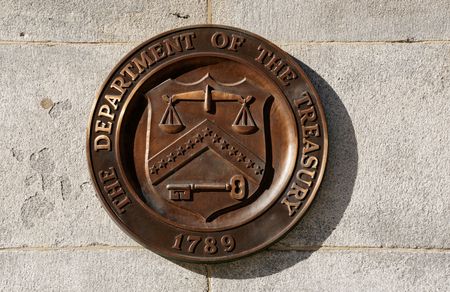

The U.S. Treasury Department may reveal new strategies as early as Thursday aimed at combating escalating energy costs, with potential intervention in oil futures trading among the options being considered, according to a senior White House official.
Energy prices have surged since conflict with Iran began over the weekend, as the expanding hostilities have caused disruptions to oil supplies throughout the Middle East region.
Industry experts are weighing in on the potential effectiveness of such unprecedented government action in commodity markets.
John Paisie, President of Stratas Advisors, explained the potential impact: “It could dampen speculation with traders knowing that the U.S. government is taking the opposite side – which should moderate the spike in oil prices – but it does not solve the disruption to physical supply, which is significant with the closure of the Strait of Hormuz, and there is no spare capacity outside of the Gulf.”
Paisie added: “Ultimately, if substantial oil volumes are kept off the market, financial manipulation is not going to work. Traders will continue betting on the oil price going higher – because the price should be higher.”
Phil Flynn, Senior Analyst with Price Futures Group, described the approach as innovative: “This is a very novel, think-outside-the-box move. Instead of using physical barrels to try to ease market concerns you can use futures to sell the front end of the curve and buy the back end.”
Flynn noted the unusual nature of Treasury involvement: “The Treasury’s traditional role focuses on fiscal policy, debt management, and occasional interventions in currency markets through mechanisms like the Exchange Stabilization Fund, but not in commodities like oil.”
Tony Sycamore, IG Market Analyst, expressed skepticism about long-term effectiveness: “If they go ahead and try to influence futures contracts themselves (deliverable futures contracts at that), it might create a short-term pause or spook some speculative longs, but I’d be surprised if it moves the needle meaningfully beyond a day or two.”
Sycamore emphasized market fundamentals: “The oil market is deep, global, and driven by real supply/demand fundamentals – especially with tanker traffic already choked in the Strait and trying to avoid the genuine threat of Iranian drone and other strikes. A bit of Treasury jawboning or symbolic action is unlikely to unlock or change that.”
Ed Meir, Marex Analyst, raised concerns about the risks involved: “I’m not sure what they have in mind, but if they intend to sell futures to bring prices lower, this is a big gamble and will also be an unprecedented interference in the crude oil markets.”
Meir questioned the strategy’s sustainability: “The question that comes immediately to mind is what happens if prices continue to move higher and go against a potential Treasury short position? Will they use the SPR oil to deliver against their short or just continue to post margin and ride out their position?”