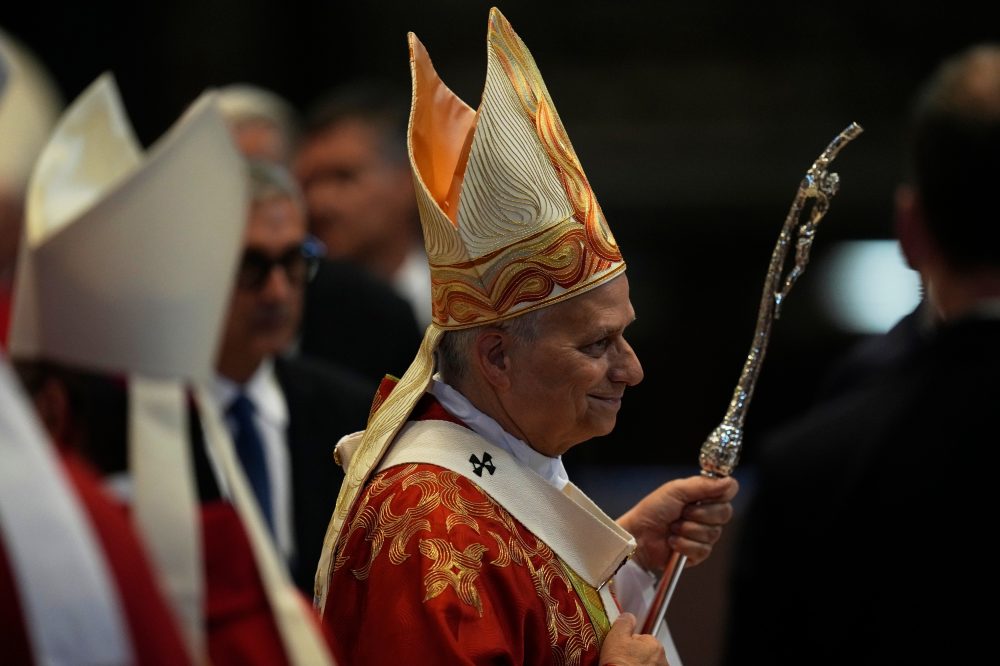

VATICAN CITY — Despite facing the gravest penalties the Catholic Church can impose, a breakaway traditionalist Catholic organization has moved forward with consecrating four new bishops without the blessing of Pope Leo XIV.
The Society of St. Pius X held a major ceremony at its seminary in Econe, Switzerland — located in a mountain valley in the country’s southwestern region — drawing thousands of attendees who favor the ancient Latin Mass over the contemporary worship practices used in most Catholic parishes today.
The group, commonly referred to by the initials SSPX, pressed ahead with the consecrations even after the pope made a final plea for them to stand down. In a letter released Tuesday, the American pope described the act of consecrating bishops without his approval as a “sin of extreme gravity” that would ultimately hurt the very people the society seeks to serve.
Under Catholic Church law, performing a bishop consecration without papal authorization automatically triggers the most severe punishment available: immediate excommunication for the four newly consecrated bishops and the bishop performing the ceremony. The act is also considered schismatic — meaning it represents a deliberate break in the unity of the Catholic Church.
Despite the gravity of the situation, the event carried all the hallmarks of a joyous occasion. The SSPX’s website featured a countdown clock in the days leading up to the ceremony. Video footage showed seminarians cheerfully unloading boxes of supplies. Attendees received commemorative baseball caps bearing the “Econe2026” logo.
In perhaps the most festive touch, registered participants could purchase a souvenir wine collection to mark the “historic” occasion. The gift set, priced at 75 Swiss francs ($92.50) and called the “Cuvee des Sacres,” included pinot noir, Syrah, Petit Arvine and Fendant wines, each bottle featuring a bishop-themed label depicting items such as a miter hat, ring, cross, or crozier staff.
For the SSPX, the threat of excommunication or a formal declaration of schism holds little sway. The organization believes it alone is faithfully preserving authentic Catholic tradition.
“We don’t fear it. It pains us immensely, but we believe that the good we seek is greater than the pain that will be inflicted upon us,” said Marc-André Mabillard, the society’s media manager.
In a late reply to the pope’s letter, the SSPX’s superior, the Rev. Davide Pagliarani, asked Leo to hold off before imposing any formal penalties.
The ceremony took place exactly 38 years after the Vatican last declared SSPX bishop consecrations a “schismatic act” that resulted in automatic excommunication.
The SSPX was founded by French Archbishop Marcel Lefebvre in opposition to the modernizing changes brought about by the Second Vatican Council. Those 1960s church gatherings transformed the Catholic Church’s relationships with other Christians, Jews, and people of other faiths, and permitted Mass to be celebrated in local languages rather than Latin.
The SSPX continues to celebrate the traditional Latin Mass and has accused the broader modern church of harboring heresies and errors, including what it describes as modernism, liberalism, and ecumenism. The society claims only it upholds the true faith and has justified the new consecrations by citing a “state of necessity” to care for its members.
Not everyone shares that view. Many Catholics — including those with conservative and traditional leanings — have opposed the consecrations, seeing them as a serious act of defiance against the pope that damages the church as a whole.
“You can’t serve tradition while disobeying the church and her authority,” said the Rev. Robert Gahl, an ethics expert at the Catholic University of America.
Biographer George Weigel, who has written about St. John Paul II, recently argued that the rift between the SSPX and the Vatican goes far deeper than a preference for Latin over English at Mass.
According to Weigel, writing in First Things magazine, the dispute involves “a rejection of the Second Vatican Council’s teaching on the church, salvation, religious freedom, church–state relations, and the church’s relationship to other religions.”
Weigel also noted that Lefebvre had been a supporter of the collaborationist Vichy regime in France during World War II, and that one of the SSPX’s original bishops denied the Holocaust.
The society has pointed to a practical need for the new bishops: only two of its original four bishops remain alive, and the group says it needs additional bishops to serve a faith community with 800 places of worship spread across 77 countries.
The SSPX insists the consecrations are not a rejection of Pope Leo’s authority, but rather a practical step to allow the ordination of new priests and the administration of confirmation ceremonies according to the ancient rite.
The four men being consecrated as bishops are Pascal Schreiber of Switzerland, Michael Goldade of the United States, Michel Poinsinet de Sivry of France, and Marc Hanappier, also of France.
Responding to the pope’s letter, Mabillard expressed “great sadness to not be understood by our leader,” but made clear: “We are changing absolutely nothing in our plans.”