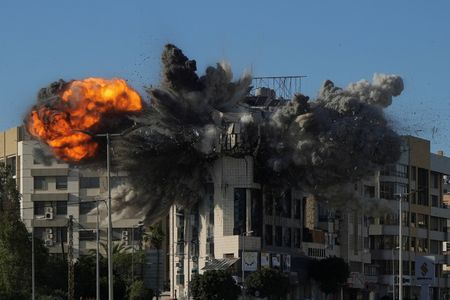

Three United Nations peacekeepers from Indonesia died this week in southern Lebanon during separate attacks, marking some of the most dangerous conditions the international mission has faced as it prepares to conclude operations next year.
The UN Interim Force in Lebanon, known as UNIFIL, has maintained a presence in the region since 1978, weathering multiple conflicts including the current war between Israeli forces and Hezbollah militants that erupted in 2024.
According to UN Security Council decisions, the peacekeeping mission will end operations by late 2026 and complete its withdrawal in 2027. The force currently includes 7,505 personnel from 47 different countries.
Two of the Indonesian peacekeepers died Monday when a roadside bomb struck their convoy near the town of Bani Hayyan, according to preliminary investigation findings released by the head of UN peacekeeping operations.
Israel’s UN ambassador claimed that Hezbollah explosive devices were responsible for that attack. UNIFIL spokesperson Kandice Ardiel responded by asking Israel to “share their evidence with our investigative team.”
Hezbollah has not yet responded to requests for comment about the allegations.
The third peacekeeper was killed Sunday when a projectile struck a UNIFIL base close to the village of Adchit al-Qusayr. That incident remains under investigation.
During the 2024 conflict, UNIFIL facilities were repeatedly hit by fire from both sides, though no peacekeepers died in those earlier incidents.
Ardiel described “a great deal of violence” occurring around UNIFIL positions, explaining: “There are projectiles being launched back and forth between the Israel Defense Forces and non-state actors, presumably Hezbollah.”
The most recent peacekeeper death prior to this week occurred in 2022, when an Irish soldier was killed after his vehicle came under fire in southern Lebanon. A Lebanese military court later convicted six Hezbollah members in connection with that killing.
UNIFIL was originally established in 1978 following Israel’s invasion of Lebanon to combat Palestinian militant groups in the south. The mission’s initial goals included verifying Israel’s withdrawal and assisting Lebanon in restoring government control over the area.
As the Palestinian threat to Israel decreased, Hezbollah emerged as a new hostile force following Israel’s 1982 invasion of Lebanon.
Following a 2006 conflict, UN Resolution 1701 significantly expanded UNIFIL’s responsibilities to include ceasefire monitoring, supporting Lebanese army deployment in the south, and assisting with enforcement of illegal weapons restrictions.
“UNIFIL’s mission is to monitor the situation and report on violations of Resolution 1701,” Ardiel explained, noting: “The active conflict has changed what we’re able to do as we’re no longer able to go out and patrol.”
Unlike in 2024 when Israel requested peacekeepers to abandon their positions, no such demand has been made this time, she said. “But of course, they continue to reiterate that they consider this a dangerous situation” and that peacekeepers “should stay out of the way.”
Israeli military officials stated they are coordinating with UNIFIL and have urged “different uninvolved forces and civilians to get out of harm’s way” following Hezbollah attacks.
The decision to end UNIFIL’s mission comes after the 2024 war dramatically altered Lebanon’s power structure, significantly weakening Hezbollah while a new Lebanese government has taken office and begun efforts to peacefully disarm the group, starting in southern regions.
The U.S. ambassador to the UN cited a “radically different” security situation in Lebanon when agreeing to a French-proposed resolution in August that extended UNIFIL’s mandate “for a final time.” Israel’s UN ambassador argued at that time that UNIFIL had “failed in its mission and allowed Hezbollah to become a dangerous regional threat.”
One of Israel’s current objectives is establishing and maintaining security control over the territory between the border and the Litani River, which encompasses UNIFIL’s operational area.