
Three passengers displaying symptoms of hantavirus have been removed from a stranded cruise vessel and are being transported to the Netherlands for medical treatment, according to World Health Organization officials announced Wednesday.
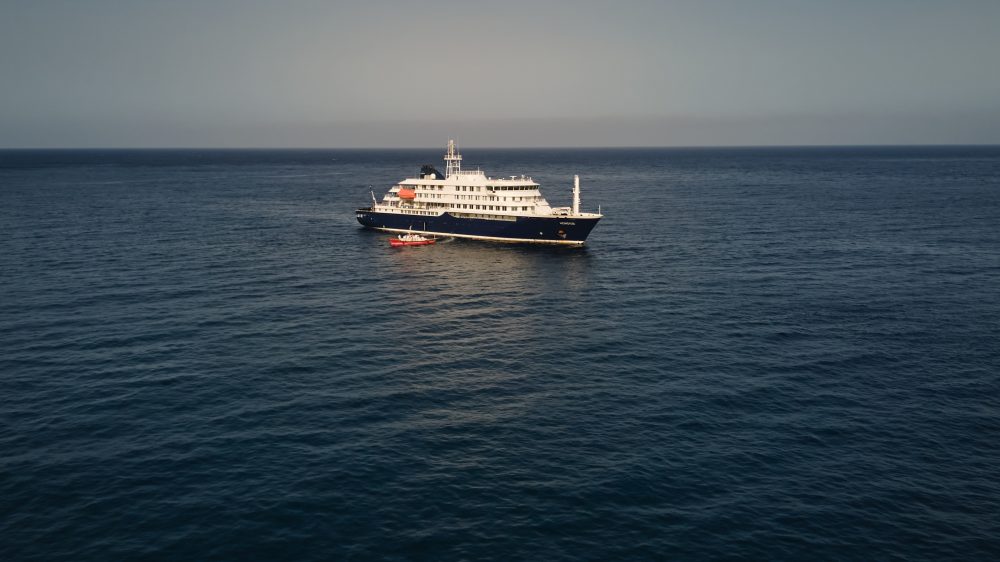
WHO Director-General Tedros Adhanom Ghebreyesus confirmed that the United Nations health organization is collaborating with operators of the Dutch-flagged MV Hondius cruise vessel to carefully track the wellbeing of all passengers and crew members onboard.
“At this stage, the overall public health risk remains low,” Tedros stated in a post on his X social media account.
The cruise vessel remains anchored off Cape Verde’s coastline with approximately 150 individuals aboard, waiting for clearance to proceed to Spain’s Canary Islands following a fatal hantavirus outbreak. Health officials in South Africa and Switzerland have confirmed cases involving the Andes strain of the virus, which can occasionally spread between people.
Swiss health authorities reported Wednesday that a male passenger who had returned from South America and traveled aboard the cruise ship has contracted the virus and is undergoing medical treatment.
The outbreak has claimed three lives and infected a minimum of five individuals aboard the MV Hondius. Hantavirus typically spreads through breathing in contaminated particles from rodent waste. Laboratory testing has confirmed three cases so far.
The vessel departed Argentina on April 1st for an Atlantic voyage originally planned to include visits to Antarctica, the Falkland Islands and additional destinations. The ship’s route may have been altered due to the health emergency aboard.
Spanish Health Ministry officials stated late Tuesday that the Canary Islands would accept the MV Hondius following requests from the World Health Organization and European Center for Disease Prevention and Control.
Currently, the ship remains immobilized near Cape Verde, a West African island nation in the Atlantic Ocean. WHO officials report that passengers are confined to their individual cabins.
South African medical authorities confirmed they detected the Andes hantavirus strain in two passengers who had been aboard the vessel.
The World Health Organization identifies the Andes virus as a particular type of hantavirus located in South America, mainly throughout Argentina and Chile.
While the Andes virus can transmit between individuals, such transmission is uncommon and typically limited due to requirements for intimate contact, including sharing sleeping quarters or meals, according to medical experts.
South Africa’s Department of Health indicated in their report that this information came from laboratory analysis conducted on passengers after their removal from the ship and airlift to South Africa.
One passenger, a British citizen, remains in critical care at a South African medical facility. Testing was conducted on another passenger following her death in South Africa.
Switzerland’s Federal Office of Public Health announced that the infected man “returned to Switzerland after traveling on the cruise ship on which there were a number of hantavirus cases.” Officials confirmed his case also involved the Andes virus strain.
The agency reported he had completed a South American trip with his spouse at April’s end. Upon developing symptoms, he sought care at University Hospital Zurich following consultation with his physician and was immediately isolated.
The patient’s spouse has shown no symptoms but is self-quarantining as a safety measure, according to the statement.
Swiss public health officials emphasized that “there is currently no risk to the Swiss public.”
WHO confirmed through social media that the man responded to “an email from the ship’s operator informing the passengers of the health event” and sought hospital care.
Spanish authorities have agreed to welcome the cruise ship to the Canary Islands as the vessel waited off West Africa’s coast for a third consecutive day Wednesday while arrangements were made for sick passenger evacuation.
Fernando Clavijo, regional president of Spain’s Canary Islands, expressed concern Wednesday about potential risks to local residents from the ship’s arrival and requested an emergency meeting with Spanish Prime Minister Pedro Sánchez.
“Neither the populace nor the government of the Canary Islands can rest assured because it is clear that the danger to the population is real,” Clavijo stated during an interview with Onda Cero radio.
Medical evacuation crews remained on alert Wednesday morning at the port in Praia, Cape Verde’s capital city.
Associated Press reporters in the area observed a vessel approaching the cruise ship Tuesday evening before quickly departing. The purpose of this approach and whether it involved evacuation personnel remains unclear.