
RUYIGI, Burundi (AP) — Hundreds of Congolese refugees who fled violence in their homeland are now making the journey back across the border from Burundi, taking advantage of enhanced safety conditions after rebel forces pulled back from strategic locations.
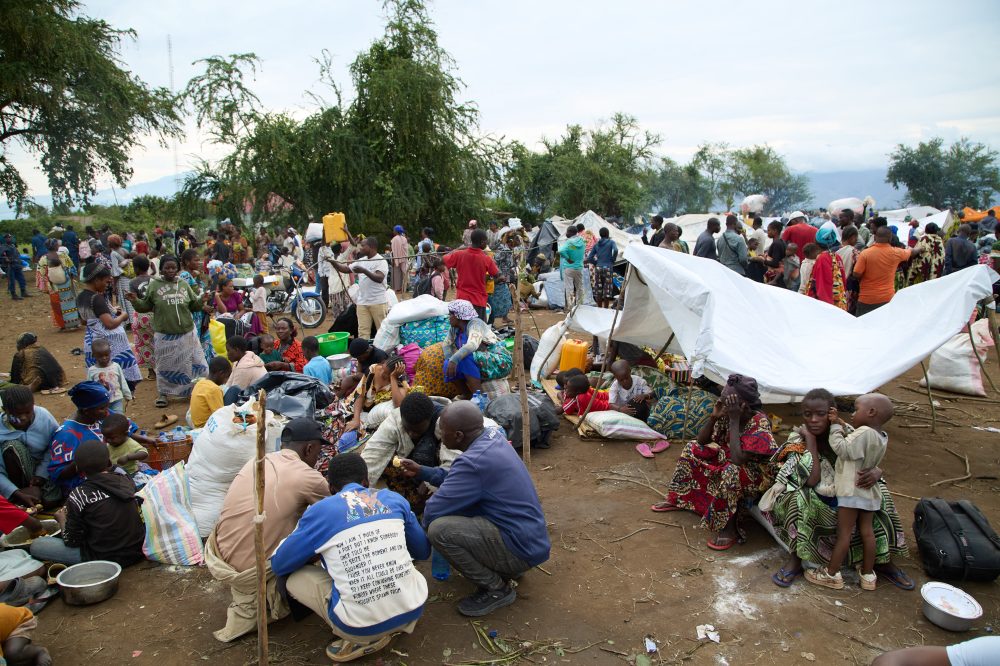
The most recent group of 470 individuals crossed into eastern Congo after spending nearly four months at the Busuma refugee facility in Burundi’s Buhumuza province, where they had taken shelter following clashes near Uvira. United Nations data shows these returnees are part of a larger movement, with no fewer than 33,000 Congolese having made the trip home by March.
The M23 rebel organization, which captured extensive territory across North and South Kivu provinces along Rwanda’s border last year, subsequently pulled out of Uvira under mounting international pressure.
President Donald Trump has taken on a significant role in peace negotiations as the United States works to secure lasting ceasefire commitments from both nations, while potentially creating opportunities for American businesses to access Congo’s valuable mineral resources essential for technology ranging from aircraft to smartphones.
A Congolese Embassy representative from Burundi supervised Thursday’s homecoming ceremony, which brought joy to refugees who had endured food shortages and supply deficits at the Busuma facility.
Officials from the U.N. High Commissioner for Refugees announced the transport operation will extend for several more weeks, with a minimum of two bus groups departing weekly.
“I am happy, very joyful,” Hassan Masemo, one of those returning home, expressed, while thanking Burundian officials for “reopening the border for us.”
UNHCR statistics indicate Burundi currently provides refuge to over 200,000 Congolese displaced persons, with 66,000 residing in the Busuma location alone.
The facility opened in December 2025 to house Congolese civilians escaping the rebel offensive toward Uvira, which led Burundi to shut down the Gatumba crossing point. The border resumed operations following M23’s departure.
“This is being done only for those who are going straight to their homes, because for areas which are not yet safe for return, we are not going to organize the return,” stated Brigitte Mukanga-Eno, UNHCR’s representative in Burundi.
After local administration was reestablished in Uvira, some refugees began voluntary returns in March, which encouraged others to follow their example, she explained.
Eastern Congo’s resource-abundant region has endured generations of conflict as government military units battle more than 100 armed organizations, with M23 representing the most formidable threat.
While neither Rwanda nor M23 have openly confirmed Rwandan military participation alongside the rebels, United Nations investigators have documented proof of their engagement. Rwanda characterizes its actions as protective steps to safeguard its borders from Hutu militants linked to Rwanda’s 1994 genocide.