
BANGKOK – Thailand’s government has unilaterally ended a 25-year-old pact with Cambodia designed to facilitate joint offshore energy exploration, ignoring pleas from Cambodia to maintain the long-standing agreement announced Tuesday.
The Thai cabinet’s decision to cancel the accord, which aimed to establish a framework for jointly developing hydrocarbon resources in contested Gulf of Thailand waters, had been anticipated following two periods of armed hostilities between the nations in the previous year.
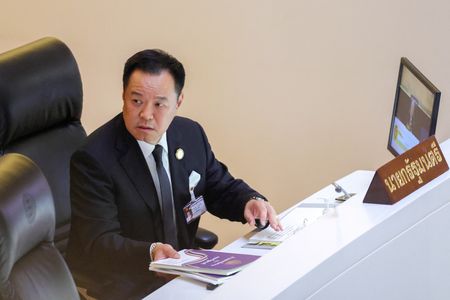
Thai Prime Minister Anutin Charnvirakul had promised during his election campaign to withdraw from the agreement. Earlier this year, he capitalized on nationalist sentiment fueled by intense military clashes with Cambodia to become Thailand’s first prime minister to win reelection in 20 years.
“Cancelling the deal is not related to the border conflict with Cambodia, but part of my policy. It has been 25 years and there has been no progress,” Anutin told reporters, adding that Cambodia would be informed of the decision.
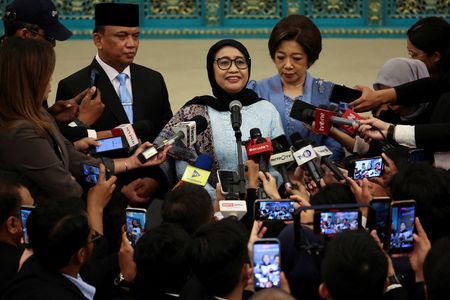
Cambodia’s Foreign Minister Prak Sokhonn expressed regret over the termination and said Phnom Penh “has no option” but to settle the boundary issue under processes outlined in the United Nations Convention on the Law of the Sea, or UNCLOS.
“Cambodia’s decision to pursue compulsory conciliation under UNCLOS reaffirms its commitment to resolving maritime disputes peacefully and in accordance with international law,” he said in a statement.
The pact, commonly referred to as “MOU 44,” has achieved minimal advancement since its signing despite numerous negotiation sessions. Progress stalled due to Thailand’s political turmoil, periodic tensions between the neighboring countries, and strong resistance from Thai nationalist groups.
The dual-purpose agreement proposed establishing a system for collaborative offshore oil and gas exploration in disputed zones while simultaneously conducting separate discussions on official boundary demarcation.
Thai government spokesperson Rachada Dhanadirek announced Tuesday that UNCLOS would serve as a reference point for direct negotiations with Cambodia regarding maritime boundary determination.
Thailand has consistently declined to participate in Cambodia’s attempts to resolve border disagreements through international mechanisms, including the International Court of Justice, maintaining that such matters should be handled through bilateral negotiations.
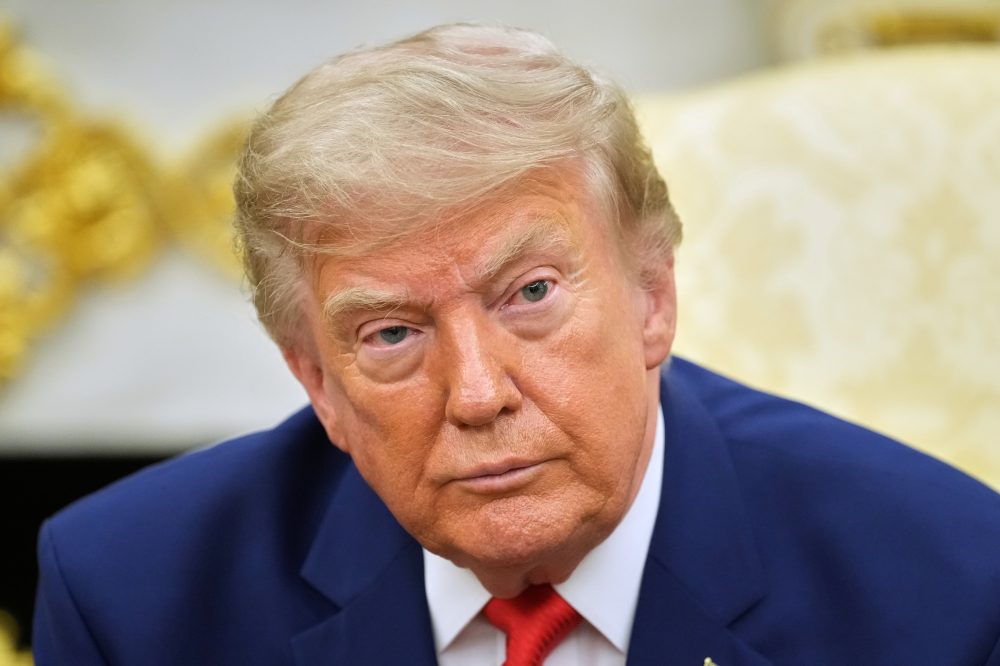
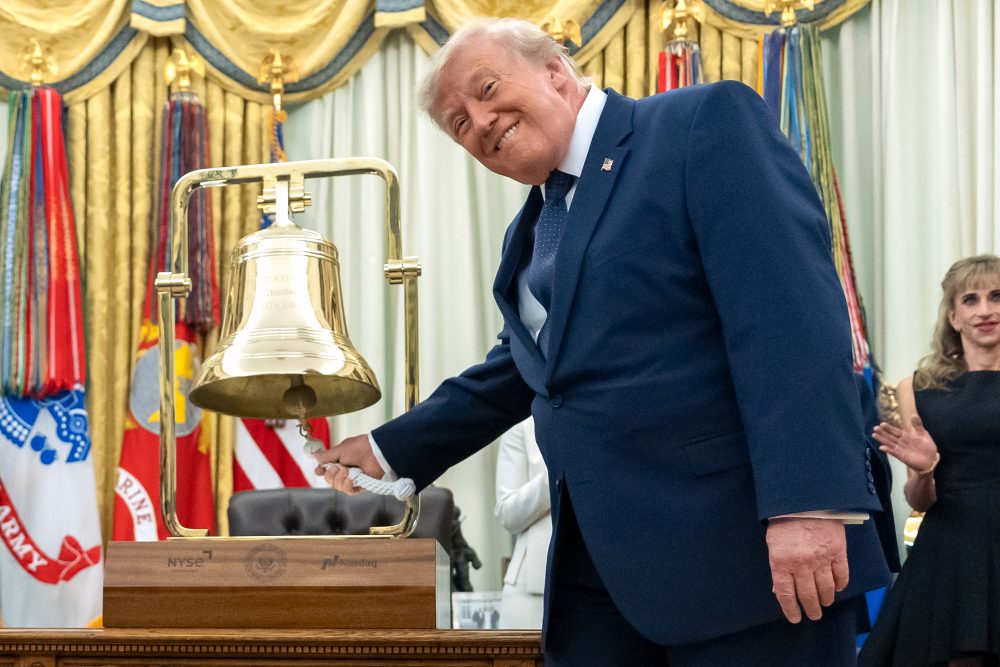
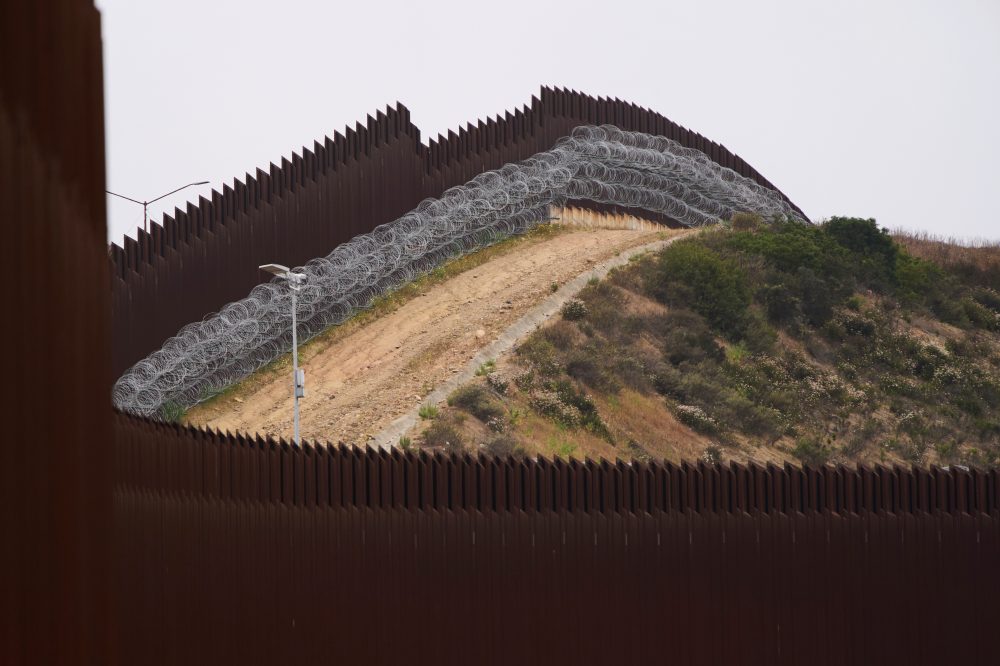
A truce between Thailand and Cambodia has remained in effect since late December following two outbreaks of combat along extensive portions of their 817-kilometer border. The initial conflict concluded after intervention by U.S. President Donald Trump.
Both nations hold each other responsible for initiating the two rounds of violence, which resulted in nearly 150 deaths and forced hundreds of thousands of residents to flee their homes.