
Leaders from Thailand and Cambodia are preparing for uncommon diplomatic discussions in the Philippines following last year’s fatal border conflicts, as both nations maintain a delicate ceasefire without any permanent settlement.
Military forces continue to be stationed along both sides of the contentious 508-mile border following confrontations in July and December, when minor skirmishes rapidly intensified into aerial bombardments and intense artillery exchanges.
The Philippines, currently hosting Association of Southeast Asian Nations gatherings on Cebu island, announced that President Ferdinand Marcos Jr. will supervise the discussions ahead of Friday’s leadership summit.
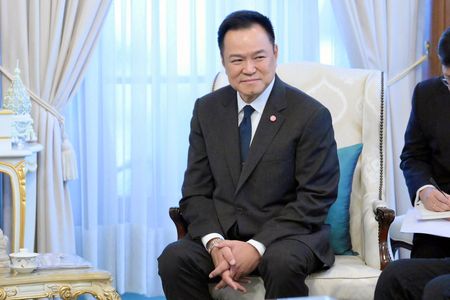
Speaking to media in Bangkok, Thai Prime Minister Anutin Charnvirakul explained the motivation behind the meeting. “They want an atmosphere for an ASEAN meeting that will go well,” he stated. “That’s why they want us to see each other.”
While Anutin declined to specify discussion topics, he pledged to firmly protect Thailand’s national interests. “I have to stand on principles during discussions,” he declared. “Any talks will have to be beneficial, protect Thai sovereignty and the public interest.”
The two rounds of combat resulted in nearly 150 fatalities and displaced at least 300,000 people, with each nation blaming the other for initiating hostilities.
The initial conflict ended in July after five days through intervention by U.S. President Donald Trump, who facilitated the signing of a military withdrawal agreement in October during an ASEAN summit.
However, Trump failed to prevent a second outbreak, despite claiming he had preserved the ceasefire, with battles continuing for 20 days before both countries bilaterally agreed to stop fighting.
Although combat has ceased, Cambodia has consistently charged Thailand with ceasefire breaches and territorial occupation in disputed border areas, allegations that Bangkok denies.
Kung Phoak, Cambodia’s foreign affairs secretary of state, said Wednesday that the three-way discussion demonstrates ASEAN’s commitment to addressing the dispute. “It shows that the chair is trying to bring us together and to resolve the issue,” he explained to reporters.
“We need to renounce the use and threat of force, and the solution has to be based on international law and existing treaties in agreement,” Phoak added.
The diplomatic meeting occurs during heightened tensions, following Thailand’s unilateral decision Tuesday to cancel an energy exploration agreement with Cambodia, ignoring appeals from its neighbor to maintain the 25-year-old arrangement.
Cambodia announced it had no alternative but to pursue formal resolution of competing territorial claims in the Gulf of Thailand through the United Nations Convention on the Law of the Sea provisions.