
Markets across Asia declined Wednesday as technology companies faced continued pressure following Wall Street’s latest selloff, while crude oil prices climbed amid escalating tensions between the United States and Iran.
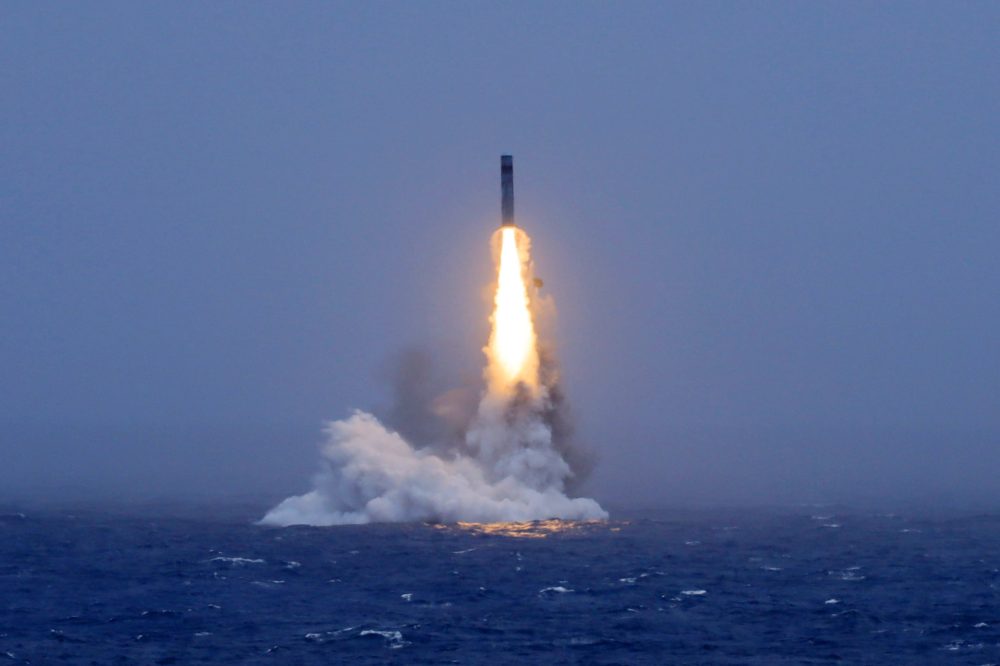
Military action resumed early Wednesday after an Army helicopter crashed near the Strait of Hormuz, an incident President Donald Trump attributed to Iran. Iranian officials vowed retaliation, stating they “will leave no attack or threat unanswered.”
This renewed conflict has raised questions about achieving a lasting resolution to the war, which has now stretched beyond three months and continues to unsettle markets already shaken by significant selling in artificial intelligence-related companies.
Energy markets responded to uncertainty surrounding the critical shipping route, with crude oil prices continuing their recent upward trajectory.
International benchmark Brent crude climbed 0.9% to reach $92.30 per barrel after declining Wednesday. This represents a substantial increase from approximately $70 per barrel before the conflict began in late February.
U.S. crude futures advanced 1% to $89.04 per barrel.
“The situation remains highly volatile,” wrote ING commodities strategists Warren Patterson and Ewa Manthey in their Wednesday analysis. “This once again demonstrates the difficulty Iran and the U.S. face in working toward a sustainable ceasefire that allows for the free flow of vessels through the Strait of Hormuz.”
The analysts observed that seasonal demand patterns typically strengthen during this period, contributing additional upward momentum to pricing.
U.S. market futures declined following losses among semiconductor companies, including Micron Technology, Advanced Micro Devices, or AMD, and Marvell Technology during Tuesday’s session.
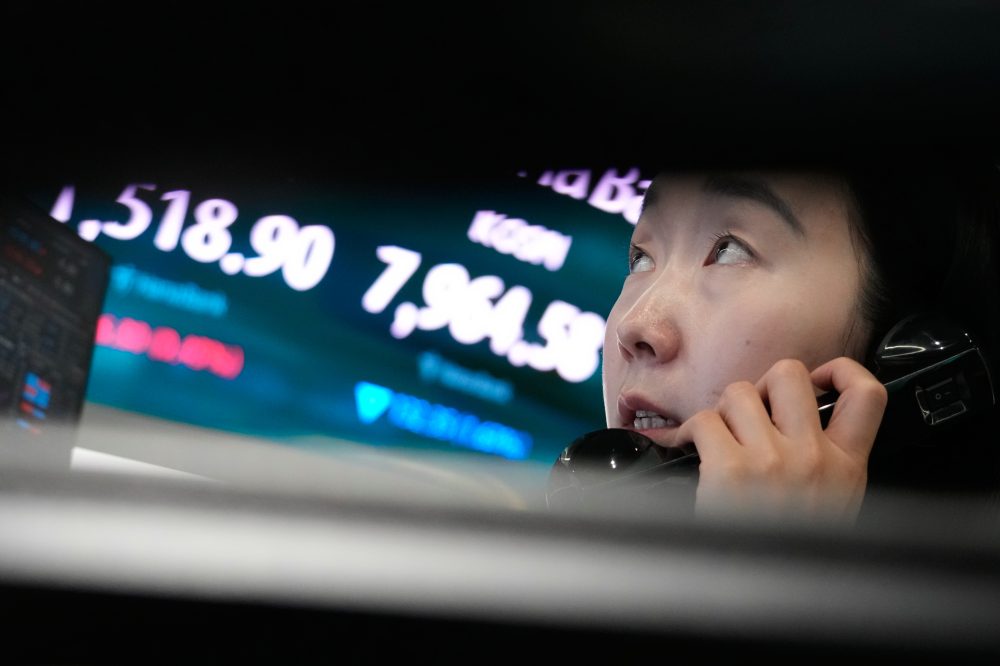
South Korea’s Kospi index dropped 4.7% to 7,720.59, reversing the previous day’s gains. Samsung Electronics, the nation’s largest company by market value and a major producer of memory and logic chips, fell 5.8%. Fellow chipmaker SK Hynix tumbled 6.3%.
Japan’s Nikkei 225 declined 1.4% to 64,524.84 following economic data revealing the producer price index increased 6.3% in May compared to the same month last year. This marked the most rapid pace of wholesale price growth in over three years.
SoftBank Group, the multinational investment company with significant artificial intelligence investments, saw shares drop 8.9%. However, semiconductor equipment manufacturer Tokyo Electron gained 5.3%.
In China, Hong Kong’s Hang Seng index fell 1.1% to 24,296.62, while the Shanghai Composite decreased 0.7% to 3,980.24. Government data released Wednesday indicated Chinese producer prices reached a nearly four-year peak of 3.9% in May versus the prior year.
Australia’s S&P/ASX 200 managed a modest 0.2% increase to 8,624.50.
Taiwan’s Taiex traded 1.6% lower, while India’s Sensex advanced 0.6%.
Tuesday’s U.S. trading saw the S&P 500 slip 0.3% to 7,386.65. The Dow Jones Industrial Average managed a 0.2% gain to 50,872.11, while the tech-focused Nasdaq composite fell 1% to 25,678.82.
Micron Technology experienced significant volatility, starting with a 4% gain before plunging 10% and ultimately closing down 1.4%. Marvell Technology declined 7.6%, while AMD dropped 3%.
Market participants are closely watching upcoming U.S. inflation data as the Iran conflict continues pushing global energy costs higher.
Currency markets showed the U.S. dollar holding steady at 160.36 Japanese yen. The euro traded at $1.1550, up from $1.1543.