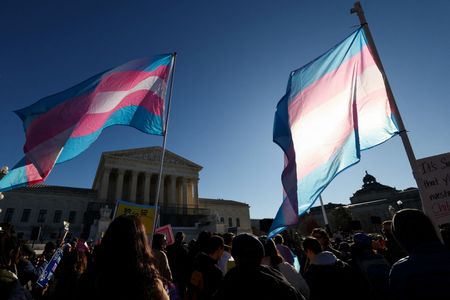

WASHINGTON — The U.S. Supreme Court is preparing to hand down a decision Tuesday on whether laws in West Virginia and Idaho that prohibit transgender student athletes from competing on female sports teams at public schools and universities are legally valid. The ruling comes on the final day of the court’s current term, which got underway back in October.
Both states passed laws that classify athletic teams at public schools, including colleges and universities, based on what they call “biological sex,” and prohibit “students of the male sex” from joining female teams. Twenty-five additional states have enacted similar legislation.
Federal courts at the lower level had ruled in favor of the transgender students who filed lawsuits against the bans, finding the laws violated both the U.S. Constitution and a federal civil rights statute.
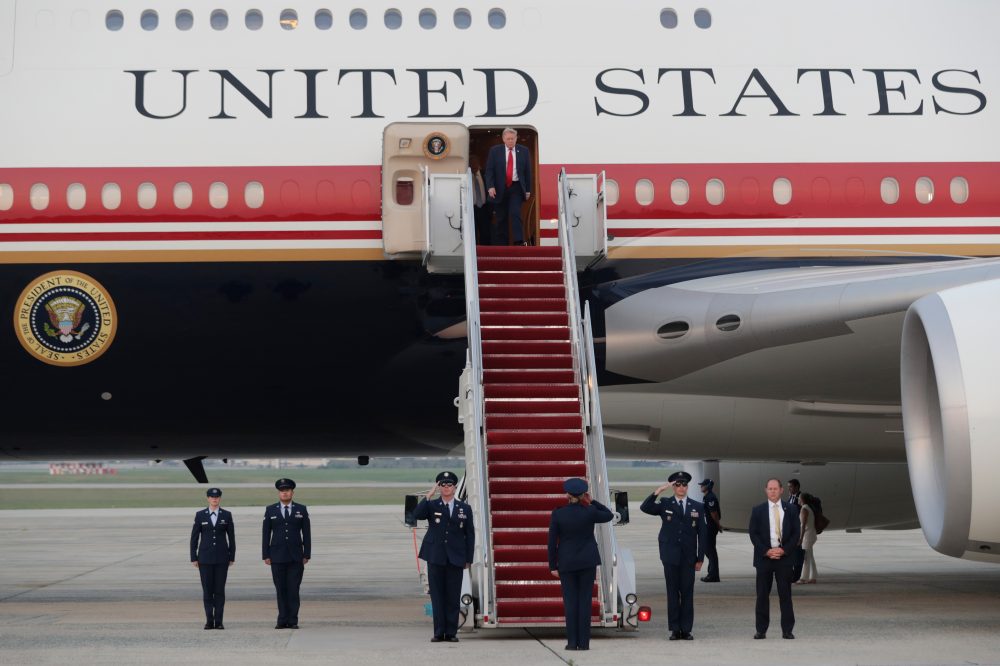
Republican President Donald Trump’s administration, which has pursued a series of restrictions on transgender rights, has taken the side of the states in this legal battle.
Supporters of the laws argue they are necessary to ensure fair and safe athletic competition for women and girls. Opponents, however, view the measures as part of a wider effort to strip transgender Americans of their rights.
The students who brought the legal challenges argued the bans amount to discrimination based on sex or transgender status, running afoul of the 14th Amendment’s equal protection guarantee as well as Title IX — the federal civil rights law that prohibits sex-based discrimination in educational settings.
This ruling follows another significant Supreme Court decision on transgender rights from last year, in which the justices allowed states to prohibit medical interventions such as puberty blockers and hormones for minors experiencing gender dysphoria — a clinical term describing the distress that can arise when a person’s gender identity does not align with their sex at birth.
The Supreme Court, which currently holds a 6-3 conservative majority, has consistently supported other transgender-related restrictions in recent rulings, including allowing a ban on transgender individuals serving in the military and blocking passport applicants from selecting a sex marker that reflects their gender identity.
In 2020, the court issued a landmark decision that extended workplace discrimination protections to transgender individuals under Title VII of the Civil Rights Act of 1964 — a law with language closely mirroring that of Title IX.
President Trump, since returning to office in January 2025, has taken an aggressive stance on transgender policy, signing multiple executive orders limiting transgender rights, including one specifically targeting sports participation. He has publicly rejected the gender identities of transgender people.
The West Virginia case centers on Becky Pepper-Jackson and her mother Heather Jackson. Pepper-Jackson is a high school student in Bridgeport, West Virginia, who competes in shot put and discus.
The Idaho case was brought by Lindsay Hecox, a transgender student who had previously taken part in soccer and running clubs at Boise State University. Hecox ultimately chose to stop participating in sports and sought to have the case dismissed, citing fears of harassment and what she described as growing intolerance toward transgender people. Her legal team argued that her withdrawal from sports made the case moot.
The court heard oral arguments in January. During those proceedings, the court’s conservative justices expressed reservations about imposing a nationwide standard, pointing to ongoing debate and scientific uncertainty about whether medications such as puberty blockers or gender-affirming hormones fully eliminate physiological advantages that may stem from male puberty.