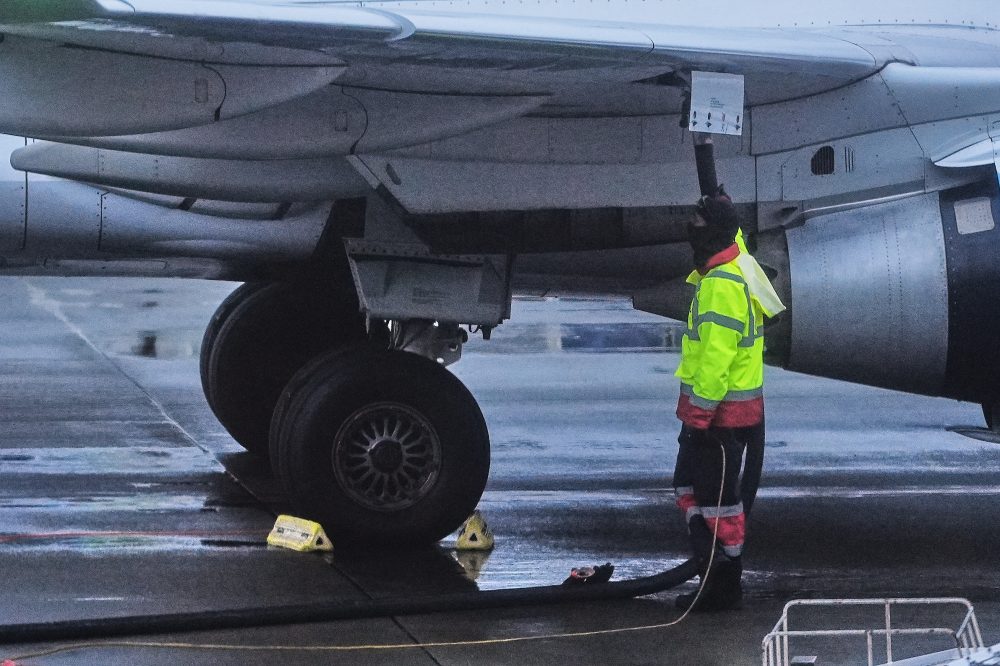

Aviation fuel costs are climbing dramatically as Middle East conflicts disrupt worldwide oil distribution, creating financial strain for airlines just as the peak summer travel period draws near.
Industry specialists indicate the question isn’t whether ticket prices will increase, but rather the timing, duration, and magnitude of these hikes. Long-distance international flights may experience the most significant impact since they consume considerably more fuel compared to domestic routes.
Several international carriers have already implemented price hikes or additional fuel fees to combat rising expenses. United Airlines CEO Scott Kirby recently cautioned that fare increases will “probably start quick” as elevated fuel expenses ripple throughout the aviation sector.
The ongoing conflict is limiting oil shipments and causing major producers including Kuwait, Saudi Arabia and Iraq to reduce production as transportation routes face increasing challenges.
Iran has launched attacks on commercial vessels throughout the Persian Gulf and targeted energy facilities in Gulf Arab countries following strikes by the U.S. and Israel. These assaults have essentially stopped movement through the Strait of Hormuz, a critical waterway that handles approximately 20% of global oil transportation.
The unstable crude oil market that has caused retail gas prices to spike dramatically has similarly affected aviation fuel costs. U.S. average prices hit $3.99 per gallon on Friday, climbing from $2.50 the day before hostilities began two weeks earlier, based on the Argus U.S. Jet Fuel Index. This index monitors average costs airlines pay for fuel at major American airports.
Data from the U.S. Department of Transportation’s Bureau of Transportation Statistics indicates American airlines paid approximately $2.36 per gallon for fuel in January, the latest available information.
Certain airlines maintain partial protection against sudden cost spikes through fuel hedging, a practice allowing them to secure fuel prices months or years ahead. However, not every carrier uses hedging, and those that do typically protect only part of their fuel requirements, meaning extended price increases could force more airlines to boost fares.
“No one hedges anymore, and even if you do, hedging the crack spread is really hard to do,” Kirby stated at a Harvard event last week. The crack spread represents the price difference between crude oil and refined products like gasoline.
Airlines face an additional challenge as airspace restrictions have forced flight rerouting around Middle Eastern regions, resulting in longer routes, increased fuel consumption and elevated operational expenses.
Passengers may experience the effects in multiple ways.
Airlines can implement or raise fuel surcharges, an additional fee commonly used by international carriers that’s added to the base ticket cost.
Major American airlines, however, don’t impose separate fuel surcharges. Instead, they incorporate fuel expenses into overall ticket pricing, meaning increases will likely appear as higher base fares for travelers, according to Tyler Hosford, security director at global risk management company International SOS.
Airlines may also modify pricing for premium services such as seat upgrades, extra legroom, checked baggage or priority boarding as another method to counter higher operational costs. For consumers, this means even if base fares don’t rise immediately, total trip expenses could still climb when additional fees and upgrades are included.
If elevated fuel prices continue, airlines might also modify schedules or eliminate certain routes, said Christopher Anderson, a Cornell University business school professor whose research covers operations and information management in hospitality and airline sectors.
Predicting exact ticket price increases resulting from costlier oil and fuel remains challenging. Industry experts say higher jet fuel costs impact varies depending on the route, airline and travel demand.
Fuel generally represents 20% to 25% of airline operating expenses, making it the second-largest cost after labor, according to Rob Britton, a Georgetown University adjunct marketing professor and former American Airlines executive. Sharp fuel price increases can therefore significantly affect airline budgets.
Currently, most fare increases and fuel surcharges originate from Asia-Pacific region airlines, but experts anticipate more carriers will follow suit if high jet fuel prices continue, particularly those without fuel hedging protection.
Hong Kong’s national carrier, Cathay Pacific, announced it would raise fuel surcharges beginning Wednesday.
“The price of jet fuel has approximately doubled since March amid the latest developments in the Middle East,” the airline stated Thursday.
Additional airlines implementing price increases or new surcharges include:
— Air France-KLM announced roundtrip economy fares on long-distance flights could increase by roughly 50 euros (approximately $57).
— Air India implemented fuel surcharges Thursday on select routes. After March 18, the carrier indicates the surcharge will rise by up to $50 for all tickets to Europe, North America and Australia.
— Hong Kong Airlines raised fuel surcharges across multiple routes starting Thursday.
— FlySafair in South Africa declared a temporary fuel surcharge.
Experts advise travelers planning summer vacations may minimize rising airfare impact by booking earlier instead of waiting for last-minute offers.
Securing ticket prices sooner, particularly with flexible booking policies allowing changes, can help obtain lower rates before airlines implement further adjustments.
Hosford, the International SOS security director, recommends travelers remain flexible with travel dates, compare fares at nearby airports and establish alerts for price reductions. He also suggests using frequent flyer miles or credit card points for flight bookings rather than waiting for a “perfect deal.”
“If you were going to spend cash on the flight but now you’re not, then that’s a good redemption deal,” he said.