
Financial markets are grappling with significant uncertainty following a Supreme Court decision that has reshuffled America’s trade policy landscape, leaving both investors and international partners scrambling to understand the new rules.
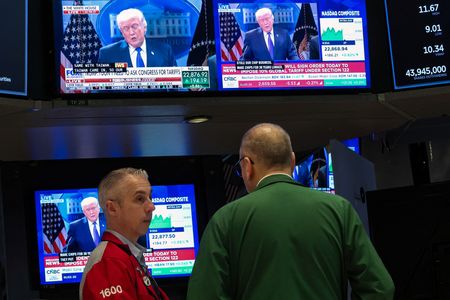
The Supreme Court delivered a blow to President Trump’s trade strategy on Friday, ruling against his use of emergency powers to impose sweeping tariffs. While markets initially celebrated this decision, with U.S. stock indices climbing and Europe’s STOXX 600 reaching record highs by Friday’s close, the relief proved short-lived.
Trump quickly countered the court’s ruling by announcing new tariffs under different legal authority. He first implemented a 10% blanket tariff, then raised it to 15% by Saturday. These new levies operate under previously unused legislation that permits tariffs for up to 150 days before requiring Congressional authorization.
The policy whiplash sent U.S. stock futures tumbling on Monday as traders tried to assess the implications of the rapidly changing trade environment.
International markets showed mixed reactions to the developments. Countries like China and others that faced severe penalties under the previous emergency tariffs found some relief in the new 15% rate. Hong Kong markets jumped more than 2% and South Korea’s Kospi index posted gains on Monday.
However, European Union nations that had negotiated more favorable terms under previous agreements expressed frustration with the changes. The European Commission firmly stated it would reject any tariff increases, emphasizing that “a deal is a deal” regarding last year’s trade agreement with Washington.
The dollar weakened slightly Monday morning while gold prices increased as investors sought safer assets amid the trade uncertainty.
The tariff confusion extends beyond market reactions, creating questions about federal revenue projections and potential rebate programs. Analysts worry these uncertainties could undermine expectations that tariff income will reach approximately $300 billion this year, potentially eliminating prospects for new stimulus payments to American households and forcing increased Treasury borrowing.
Adding to market concerns, Atlanta Federal Reserve President Raphael Bostic suggested that the next interest rate move could be upward, despite weaker-than-expected fourth-quarter GDP growth being offset by higher inflation readings.
Oil prices declined over the weekend as fears of potential U.S. military action against Iran subsided, though tensions remain high with new Geneva negotiations scheduled for Thursday and reports indicating advanced U.S. military planning stages.
The trade policy upheaval complicates numerous bilateral agreements Trump had secured using his now-invalidated emergency authority. With lengthy trade investigations required to establish permanent sectoral tariffs and many needing Congressional approval, the outcome may depend heavily on midterm election results where Republicans risk losing their House majority.
Looking ahead, what happens after the July expiration of the temporary tariffs remains unclear, leaving markets and trading partners in a state of continued uncertainty about America’s trade direction.