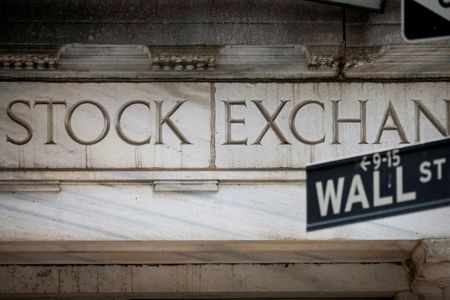

Wall Street is heading into a critical week as investors await key jobs data that could shake up expectations for interest rate hikes — and add more turbulence to a stock market already rattled by wild swings in technology shares.
Major U.S. stock indexes are on track to finish out a strong first half of 2026, with the benchmark S&P 500 having gained more than 7% so far this year. June, however, has been a bumpier ride. Shares of semiconductor companies have seen dramatic price swings this week as investors try to gauge how much optimism over AI-driven profits is actually justified.
A Federal Reserve meeting earlier this month made clear that policymakers are laser-focused on keeping inflation in check. Investors say the monthly jobs report, due out Thursday, could intensify expectations for rate hikes if it points to a still-hot economy. U.S. financial markets will be closed Friday in observance of the Independence Day holiday.
“If we do get a really good jobs number, my guess is the market’s not going to treat that as good news,” said Doug Huber, deputy chief investment officer at Wealth Enhancement. “It’s going to treat it as the economy’s hot and it’s going to start to probably price in even higher risks of potentially a hike.”
The performance of technology stocks — and chip companies in particular — is expected to remain the dominant story on Wall Street. The Philadelphia SE Semiconductor Index has surged more than 90% since the market’s late-March low for the year, though it has pulled back this week as investors question whether the rally has gone too far.
Strong earnings results from memory chipmaker Micron Technology, released late Wednesday, offered some reassurance to the sector. Still, the tech-heavy Nasdaq Composite was on pace to finish the week in the red.
“The flavor of tech leadership for the last two months has been semiconductor-related names…concentrated in memory-related equities,” said Julia Hermann, global market strategist at New York Life Investment Management. “The live question is, are higher interest rates going to threaten the more cyclical and volatile component of market leadership at play?”
On the jobs front, the U.S. economy has now posted three consecutive months of solid employment growth, with payrolls climbing by 172,000 in May. Economists at Jefferies are forecasting that June will bring an additional 135,000 jobs.
At the same time, inflation has stayed well above the Federal Reserve’s 2% annual target. The central bank’s most recent meeting was viewed by investors as surprisingly aggressive in its stance. Data released Thursday showed inflation climbing past 4% for the first time in three years, driven in part by rising energy costs tied to the ongoing conflict in the Middle East.
“The Fed is very finely balanced,” said Brad Conger, chief investment officer at Hirtle & Co. Even without a dramatic surprise in the jobs numbers, he noted, the data “can tilt the Fed in one direction or the other… If jobs are strong, interest rates could go back up, and that challenges the market.”
According to LSEG data from Thursday, Fed funds futures are now showing better-than-even odds of a rate hike by the Fed’s September meeting — a stark reversal from the start of the year, when investors had been counting on rate cuts before year’s end.
“We’ve shifted from the sense that interest rate hikes were this less-than-ideal way to cope with a supply shock, energy specifically, to this sense that the Fed is now structurally engaging with its inflation mandate in a new way,” Hermann said.
Rising interest rates can create multiple challenges for stocks, including higher borrowing costs for businesses and consumers, which can slow overall economic growth.
Investors will also be watching earnings results from sportswear company Nike in the coming week. The broader second-quarter earnings reporting season kicks into higher gear later in July.
Developments in the Middle East are also being closely tracked on Wall Street. Oil prices have eased amid a ceasefire in the region, dropping to around $70 a barrel after sitting near $100 just a month ago.
“We are trying to evaluate: is there staying power to a truce in the Middle East and that impact on oil and the big knock-through effect on inflation,” Huber said.