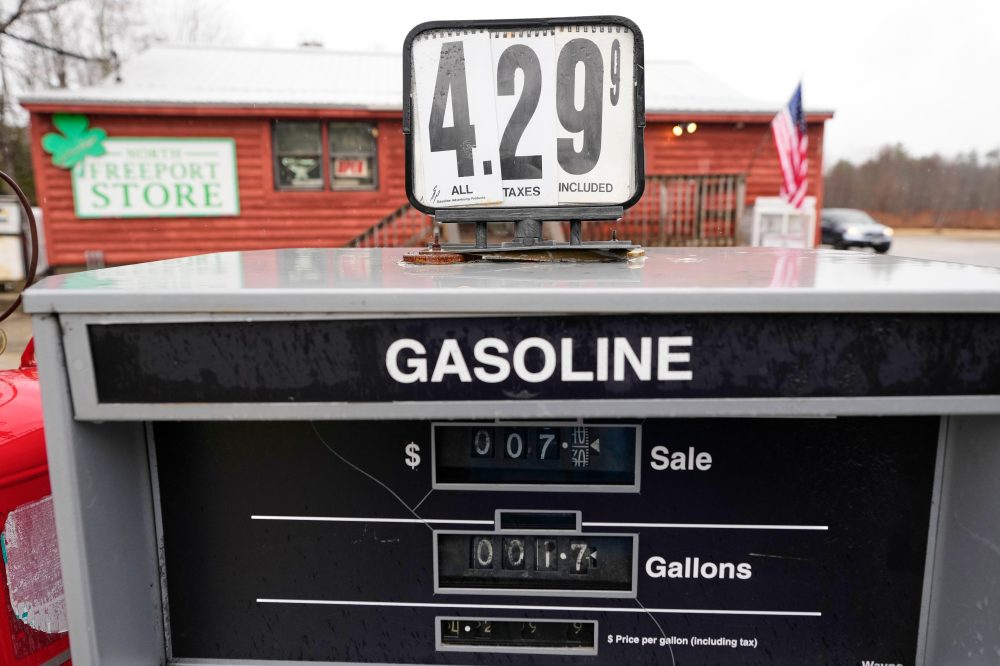

As nationwide gasoline costs climb beyond $4 per gallon, lawmakers at federal and state levels are discussing temporary cuts to motor fuel taxes to ease the burden on drivers.
Currently, just Georgia and Utah have moved forward with eliminating all or portions of their gasoline taxes following fuel price increases driven by the conflict in Iran. Additional states are weighing similar measures. However, multiple factors may prevent policymakers from cutting gas taxes, including worries about state budgets, questions regarding effectiveness, and unknown duration of the ongoing war.
An examination of the numbers reveals the complexity of this policy debate:
The two states implementing gas tax relief chose markedly different strategies. Georgia implemented a 60-day elimination of its 33-cent per gallon gasoline tax after Republican Governor Brian Kemp approved the measure on March 20, becoming the first state to respond since the war began. Utah’s Republican Governor Spencer Cox signed legislation three days afterward to temporarily reduce 6 cents from the state’s 38-cent per gallon fuel tax. However, Utah’s six-month decrease doesn’t start until July 1.
According to Jeff Lenard, spokesman for the National Association of Convenience Stores, retail gas stations have averaged 38 cents per gallon markup over wholesale costs during the past five years. He noted their actual profits after operating costs are frequently less than half that amount. Additionally, daily oil barrel prices have fluctuated wildly throughout the Iran conflict — sometimes equivalent to approximately 40 cents per gallon, Lenard explained.
These figures matter because they demonstrate how complicated gas pricing can be. Suspending gas taxes doesn’t guarantee drivers will experience equivalent retail price decreases. This complexity has made Republican Florida Governor Ron DeSantis reluctant to repeat a gas tax suspension he implemented during 2022’s price surge.
“Our ability to influence the fuel prices are really marginal at best,” DeSantis stated in March, adding: “I don’t think the consumer really felt relief.”
California imposes the nation’s steepest gas tax at 61 cents per gallon, plus additional surcharges. This tax contributes to California maintaining America’s highest gas prices, averaging $5.89 per gallon Wednesday according to AAA. Multiple Democratic and Republican gubernatorial hopefuls have advocated for gas tax suspension. However, the proposal hasn’t gained momentum in the Democratic-controlled Legislature, where some worry about replacing lost revenue.
Maryland Republicans advocated for a 30-day gas tax pause. But the Democratic-led General Assembly rejected their efforts. A representative for Democratic Governor Wes Moore explained that a one-month suspension could create a $100 million gap in the state’s transportation funding while officials already face spending cuts and budget shifts to address projected statewide shortfalls.
A superior approach would involve ending the war, stated Moore spokesman Ammar Moussa, adding: “The best way to bring prices down is to address the source of the pain.”
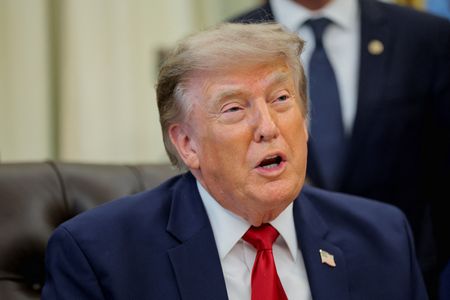
Since the conflict started February 28, Trump has consistently claimed it might conclude quickly while simultaneously threatening to expand the conflict.
Whether states possess adequate funds to compensate for lost fuel tax revenue represents a crucial consideration. Georgia is utilizing its budget surplus. In Connecticut, Democratic state Senate leadership has proposed that Governor Ned Lamont could access approximately $330 million remaining in an emergency fund designed to respond to federal government actions, helping offset a suggested one-month suspension of the state’s 25-cent per gallon gas tax.
“The fund was created precisely for situations like this: when federal actions create hardship for Connecticut families,” Senate President Pro Tem Martin Looney and Majority Leader Bob Duff stated.
A representative for the Democratic governor indicated Lamont is prepared to collaborate with legislators on “a smart and strategic pause to the state’s gas tax.”
Gas taxes typically fund construction, expansion, and maintenance of roads and bridges. Without shifting money from other sources, suspending gas taxes means reduced transportation project funding, including some already budgeted initiatives.
In South Carolina, state gas tax generates approximately $800 million annually, helping finance nearly $7 billion in projects from two-lane road safety improvements to major interstate interchange renovations. Republican Governor Henry McMaster fears major projects would require more time and money if tax revenue decreased. He characterized gas tax suspension as a “sort of knee-jerk reaction.”
“We’d like them all to be lower and lower,” McMaster said, “but that’s one we should not take any money out of.”