
Mexican diplomatic offices across the United States are facing potential closure following a State Department evaluation that has sparked concern among immigrant communities nationwide.
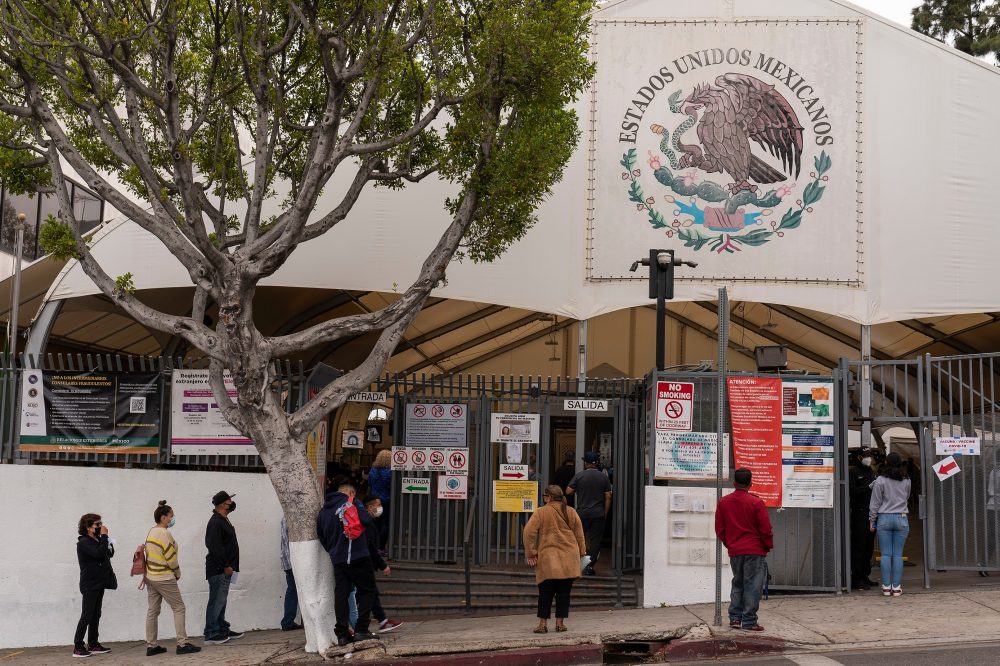
The Los Angeles Mexican consulate alone assists thousands of citizens weekly with birth registrations, passport applications, and increasingly, legal assistance for family members caught up in current immigration enforcement actions since President Donald Trump’s second term commenced.
While all 53 Mexican diplomatic offices throughout the U.S. deliver essential services to Mexican nationals — similar to how nine American consulates in Mexico serve U.S. citizens there — federal officials have begun an assessment that could lead to an undisclosed number of closures.
The State Department has not provided specific reasoning for the evaluation, though it occurs during intensified immigration crackdowns, challenging bilateral disputes, and conservative allegations that these diplomatic offices have meddled in American politics while promoting northward migration.
Azucena Aviles, a 33-year-old mother who traveled over an hour to the Los Angeles facility this month for passport services, emphasized the importance of consular assistance, particularly in California where nearly 13 million residents claim Mexican heritage, including approximately 1.7 million without legal status.
“It wouldn’t be fair if they messed with the Mexican people, especially with our support systems, which come from the Mexican consulate and which, in some way, help or protect our fellow Mexicans,” she said.
Trump has intensified pressure on Mexico, raising concerns about human rights, national sovereignty, and regional diplomacy.
However, his administration has offered only general explanations for initiating the evaluation.
“Department of State is constantly reviewing all aspects of American foreign relations to ensure they are in line with the President’s America First foreign policy agenda and advance American interests,” Dylan Johnson, Assistant Secretary of State for Global Public Affairs, wrote in an email.
The review might connect to the Trump administration’s immigration initiatives targeting deportations of undocumented individuals. Mexicans represent the largest group among such people — approximately 4.3 million according to the Pew Research Center.
Bilateral tensions could also influence the decision, as Trump escalates pressure on Mexico before crucial free trade discussions vital to both economies, adopting more aggressive policies toward America’s southern neighbor and even threatening military action against Mexican cartels.
Mexican President Claudia Sheinbaum has avoided direct confrontations with Trump, instead pursuing diplomatic solutions including dispatching senior officials to Washington and maintaining positive relations through cartel crackdowns. Sheinbaum and her predecessor have also assisted in reducing migration to the U.S. and accelerating deportations of other Latin American migrants.
Yet Sheinbaum has taken stronger positions regarding Mexican deaths in U.S. immigration facilities, calling them “unacceptable” and stating detention conditions were “incompatible with human rights standards and the protection of life.” She directed Mexican consulates to conduct daily detention center visits ensuring citizens face safe conditions.
Diplomatic relations deteriorated recently after U.S. indictments of several Mexican officials on drug trafficking charges, and two CIA officers died during an anti-narcotics operation in northern Mexico — American involvement that Sheinbaum said her government hadn’t authorized. The drug raid raised uncomfortable questions in Mexico about U.S. involvement in domestic security operations. Years of reciprocal tariffs between both countries have also increased tensions.
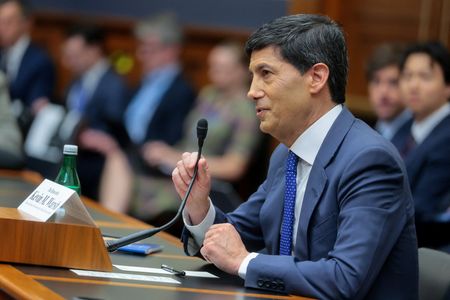
Foreign consulate reviews typically signal “a bilateral relationship is in a very, very rocky moment,” said Arturo Sarukhan, a former Mexican ambassador to the U.S. For Mexico, it arrives at “the worst moment of the U.S.-Mexico relations” in decades, considering current disagreements, he noted.
Adding strain is a theory promoted by Peter Schweizer, a writer popular among Trump supporters who claims Mexican consulates interfere in U.S. politics and encourage migration. Experts say while some Mexican consulate officials may have attempted influencing domestic politics, no evidence exists of U.S. election interference.
Responding to the State Department review, Sheinbaum called the notion that Mexican consulates are “playing politics in the United States is completely false.” She stated consulates everywhere exist to “always protect” citizens.
Sarukhan also said while consulates defend Mexican citizens’ rights, no evidence supports claims of U.S. election interference.
Regardless of motivations behind the consulate evaluation, it has generated anxiety.
During a weekly public session at the Los Angeles consulate, an unnamed woman whose husband was in U.S. immigration detention requested help finding legal representation, demonstrating crucial services consulates provide citizens.
An elderly man mentioned hearing about the review and inquired about potential closures.
Carlos González Gutiérrez, Mexico’s senior diplomat in Los Angeles, responded that, as Sheinbaum indicated, there would be “no reason whatsoever” for the U.S. to close a Mexican consulate.
Closing consulates “would have significant, devastating effects for Mexican immigrants,” especially in remote areas, Ariel Ruiz Soto, a senior policy analyst for the Migration Policy Institute, told The Associated Press.
Daily, consular officials visit the Immigration and Customs Enforcement facility in downtown Los Angeles to identify and interview detained Mexican nationals.
González Gutiérrez, 62, opens each weekly public session by reporting how many detained Mexicans consular officials have interviewed since last June’s Los Angeles immigration crackdown. At the May 11 meeting, the number reached 1,940. Nearly half maintained deep U.S. connections, he said. About 46% have been deported, 35% have U.S.-born children, 69% entered through official ports, 6% overstayed visas, and 2.5% sought asylum. Most were men working in construction, agriculture, landscaping and service industries.
He also challenged claims that Mexican consulates interfere in U.S. politics.
“We are guests of this country’s government, just as U.S. consuls are guests of the Mexican government. In that sense, we are neither activists nor spies,” said González Gutiérrez, who has served similar roles at other Mexican consulates in the U.S. “We carry out our work openly, within a pluralistic and democratic society.”