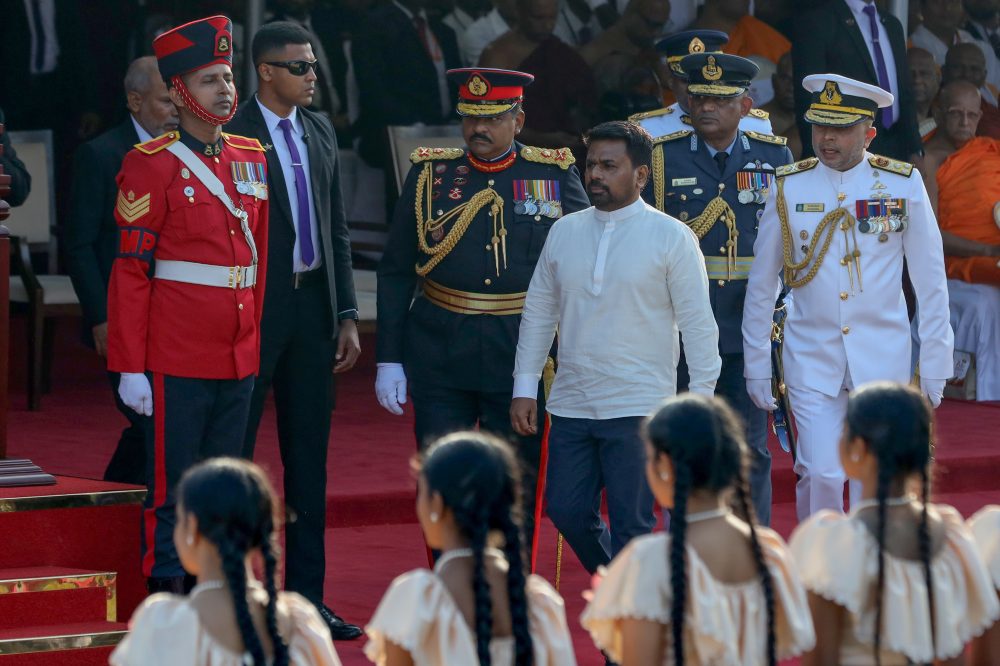

COLOMBO, Sri Lanka — Members of Sri Lanka’s parliament delivered on a major campaign pledge Tuesday, voting decisively to eliminate their own pension benefits as the nation continues recovering from its devastating economic collapse.
The measure passed with overwhelming support in the 225-seat legislature, receiving 154 votes in favor with just two opposing votes. The remaining members were absent during Tuesday’s voting session.
Under the island nation’s previous system, parliamentary members became eligible for pension payments after completing a single five-year term. The newly approved legislation terminates payments for current recipients and eliminates future eligibility for these benefits. President Anura Kumara Dissanayake, who took office in 2024, made ending this practice a central promise during his electoral campaign.
This action follows another cost-cutting measure implemented by Dissanayake’s administration in September, when they eliminated various privileges granted to former presidents. Those benefits included government-funded housing, monthly allowances, pension payments, and transportation services. The government also discontinued providing office space and staff support for former presidents and their surviving spouses, affecting five living ex-presidents and one widow.
Dissanayake’s electoral victory came amid widespread public frustration with political leaders blamed for the nation’s unprecedented economic disaster in 2022. The crisis created severe shortages of essential items including food, medical supplies, fuel, and electricity, ultimately sparking massive demonstrations that forced former President Gotabaya Rajapaksa to step down.
Justice Minister Harshana Nanayakkara introduced the legislation to parliament, stating that the government had honored its electoral commitment and arguing that legislators lacked moral justification for receiving pensions while the country struggled to overcome its worst-ever economic catastrophe.
The nation officially declared bankruptcy in April 2022, facing more than $83 billion in outstanding debt, with foreign creditors holding over half of that amount. Sri Lanka turned to the International Monetary Fund for assistance, securing approval for a $2.9 billion rescue package spanning four years in 2023, which required the country to reorganize its debt obligations.
Officials announced completion of the debt restructuring process after successfully negotiating agreements with government creditors, international organizations, and private bondholders. The country aims to secure $17 billion in debt payment relief through these arrangements.
The economic disaster resulted from a combination of poor financial management, consequences from the COVID-19 pandemic, and the impact of 2019 terrorist attacks that severely damaged the crucial tourism sector. The pandemic also disrupted money transfers from Sri Lankan citizens employed overseas.