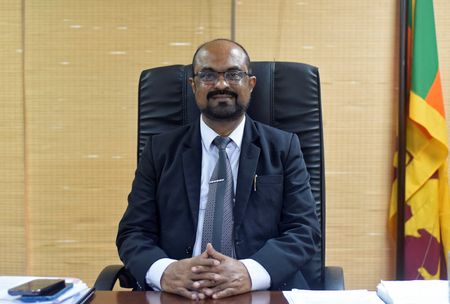

Sri Lanka’s Energy Minister Kumara Jayakody and the ministry’s top administrator submitted their resignations Friday amid mounting pressure over controversial coal purchasing decisions that have disrupted the nation’s electricity supply.
The departures of Jayakody and ministry secretary Udayanga Hemapala came after widespread criticism regarding the procurement of substandard coal for the country’s sole coal-burning electricity facility. President Anura Kumara Dissanayake accepted both resignations Friday morning, according to his office.
The minister’s departure allows for an unimpeded probe into accusations surrounding poor-quality coal purchases that have affected operations at the government-operated Lakvijaya Power Plant, presidential officials stated.
Foreign Affairs Minister Vijitha Herath defended the energy minister’s conduct while announcing the resignation, telling media representatives: “We are not trying to hide anything. Proper procurement guidelines and procedures were followed. There was no fraud or corruption with the direct involvement of the energy minister.”
Herath indicated the probe should conclude within six months and aims to enhance government openness while restoring citizen trust in public institutions.
This marks the first time a senior cabinet official has stepped aside due to graft accusations under the current administration. Jayakody’s departure follows his survival of a parliamentary confidence vote just last week.
President Dissanayake has authorized a comprehensive review of all coal purchasing agreements for electricity production stretching back to 2009. He previously confirmed that inferior coal deliveries have significantly reduced power output at the Lakvijaya facility.
The power station requires approximately 2.25 million metric tons of coal each year to generate roughly 40% of the island nation’s electrical needs, based on a recent government audit released this month.
Reduced electricity production forced authorities to purchase 300,000 metric tons of emergency coal last month while increasing reliance on diesel and furnace oil to compensate for the power deficit.
The island nation, still recovering from a devastating economic collapse that reached its worst point four years ago, must import all petroleum products. Since regional conflicts began affecting Middle Eastern supplies, Sri Lankan officials have implemented fuel rationing measures and designated Wednesdays as national holidays to conserve energy reserves.