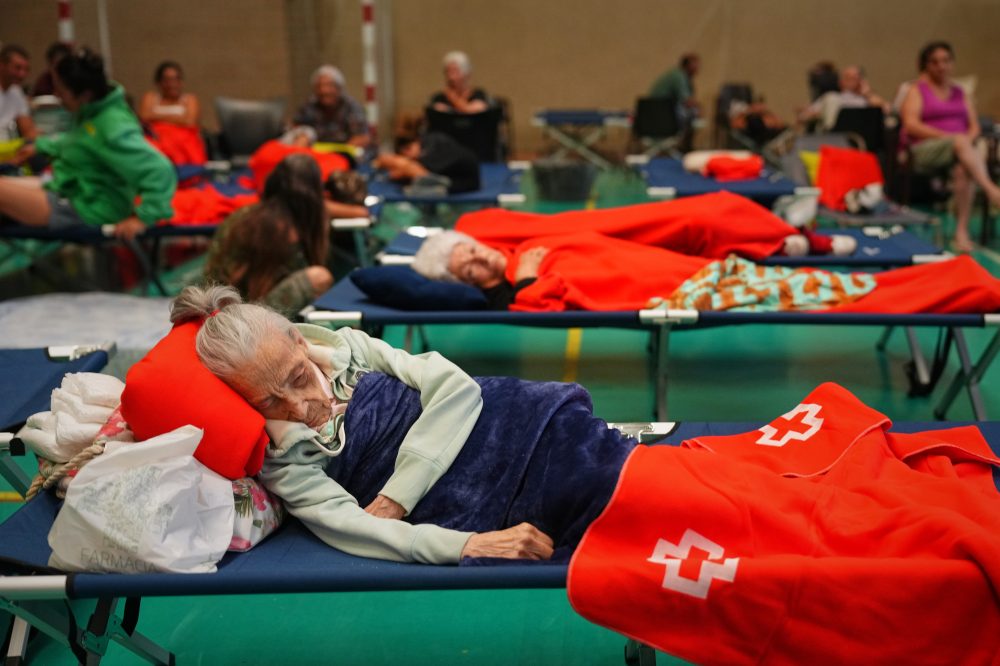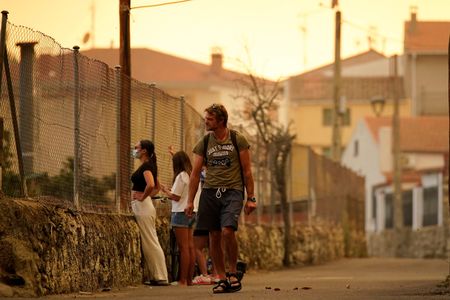

The Spanish government took the extraordinary step of declaring a national emergency late Thursday as a wave of wildfires erupted near the capital city of Madrid and spread into the neighboring province of Avila, driving more than 10,000 people from their homes as firefighters worked to hold back the flames.
Spain’s Interior Ministry explained that the declaration was prompted by the simultaneous ignition of multiple fires, difficult weather conditions, and the need to draw on resources from numerous government agencies — all of which made coordinating firefighting and public safety efforts increasingly complex.
The regional government of Madrid formally requested federal assistance, calling the situation one of “extreme gravity.” Officials identified active fires burning in Villa del Prado, San Martin de Valdeiglesias, and Almorox — the latter located in the neighboring region of Castile-La Mancha — and warned that those blazes had the potential to outpace firefighters’ ability to contain them. Authorities also cautioned that a wildfire burning in Burgohondo, in the Avila province, could push into the Madrid region within hours depending on weather conditions.
Evacuations have been carried out in Villa del Prado, San Martin de Valdeiglesias, Pelayos de la Presa, and Aldea del Fresno, according to regional officials.
Under Spanish law governing the National Civil Protection System, the emergency declaration transfers direct authority over the response to the interior minister, who takes charge of coordinating all efforts. Officials noted this is the first time such a declaration has ever been issued in connection with a wildfire.
More than 270 emergency responders and 40 ground units have been sent to the affected zones, joined by multiple contingents from the Military Emergency Unit, known as the UME.
The fires come amid a devastating wildfire season for Spain. More than 100,000 hectares have already burned across the country this year — roughly matching the nation’s average total burned area over an entire decade. At least 13 people have lost their lives, making 2026 one of the deadliest wildfire years Spain has seen in decades.
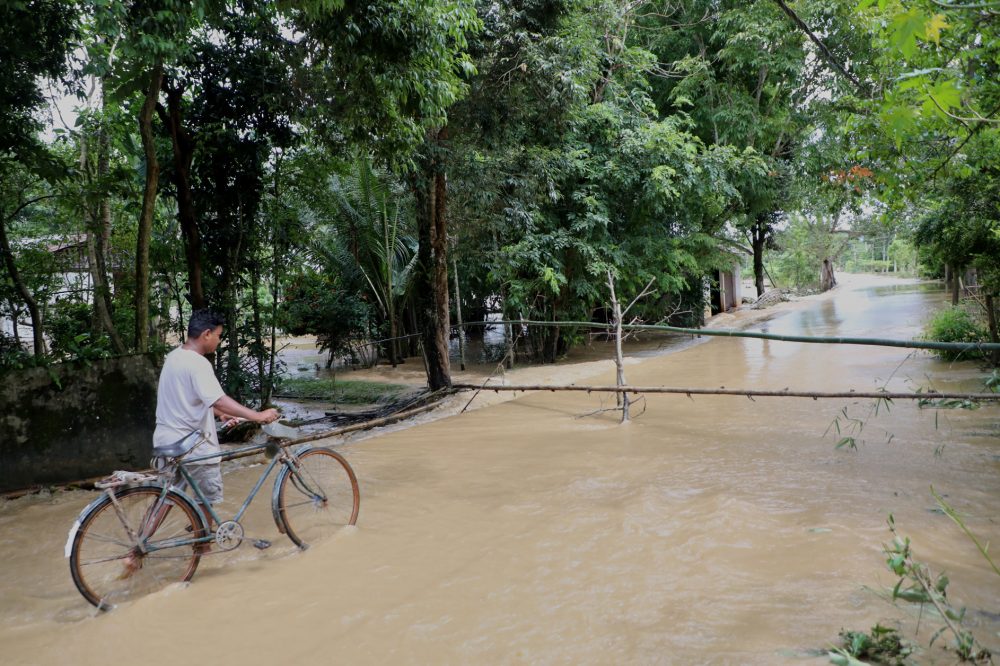
Scientists have long connected the worsening wildfire seasons across Spain and much of southern Europe to climate change. Experts point to an unusual pattern this year: heavy spring rains encouraged dense vegetation growth, which then dried out rapidly under intense summer heat, creating highly combustible conditions for fast-moving fires.