
Two years after catastrophic flooding devastated southern Brazil, communities still picking up the pieces are now facing a new threat — forecasters warn that a strong El Niño could unleash extreme rainfall on the region before the year is out.
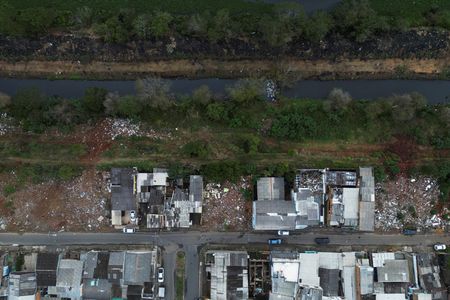
In Porto Alegre, the capital of Rio Grande do Sul state, the scars of the disaster remain visible. Piles of rubble and the ruins of demolished homes stand as grim reminders of the worst flooding ever recorded in Brazil’s history, a disaster that claimed at least 181 lives in May 2024.
“People are afraid,” said Marilian Fontoura, speaking from her home in Porto Alegre’s Sarandi neighborhood, where water stains stretch all the way to her ceiling — a stark mark of how high the floodwaters rose. “If the rain comes again, another downpour, another flood, then what? You’ll lose everything all over again.”
Sarandi has become a symbol of the city’s ongoing vulnerability, even as money has been poured into new infrastructure, early warning systems, and monitoring improvements.
Mayor Sebastiao Melo has said the city is now safer than it was in 2024 and is working “intensely” to repair pumping stations, rebuild dikes, and upgrade floodgates. This week, Porto Alegre’s water and sewage utility awarded a contract to a consortium to carry out state-funded flood protection work valued at approximately 24.2 million reais — roughly $4.7 million.
“Specifically for El Niño, we are expediting some immediate projects that would have been built later on,” Mayor Melo said.
But resident Fontoura says she has seen too many projects stall. A nearby levee construction effort has ground to a halt due to ongoing disputes over property expropriation between residents and city officials.
At the state level, authorities are also stepping up preparations, committing 38 million reais to build a logistics hub for disaster response operations and another 33 million reais toward an El Niño readiness program aimed at protecting vulnerable communities across the region.
Time may be running short. Global weather forecasters say there is a growing likelihood that a powerful El Niño — the periodic warming of eastern Pacific waters that disrupts precipitation patterns worldwide — will take shape during the second half of this year.
“What has drawn a great deal of attention is the projected intensity,” said meteorologist Estael Sias, noting that forecast models indicate this year’s El Niño event could rank among the strongest ever recorded since satellite weather monitoring began.