
JOHANNESBURG (AP) — South Africa has formally asked the United States to exclude it from proposed tariffs connected to an American investigation into whether dozens of countries are doing enough to prevent imports of goods made with forced labor.
A South African trade delegation, led by the Department of Trade, Industry and Competition, appeared before the Office of the U.S. Trade Representative in Washington this week. The hearing was part of a Section 301 investigation looking at whether at least 60 countries are adequately enforcing bans on goods produced through forced labor.
The delegation made the case that South Africa has ratified major International Labor Organization conventions that prohibit forced labor and has laws on the books allowing authorities to block such imports. The delegation also pointed out that under South African law, goods made using prison labor are already banned.
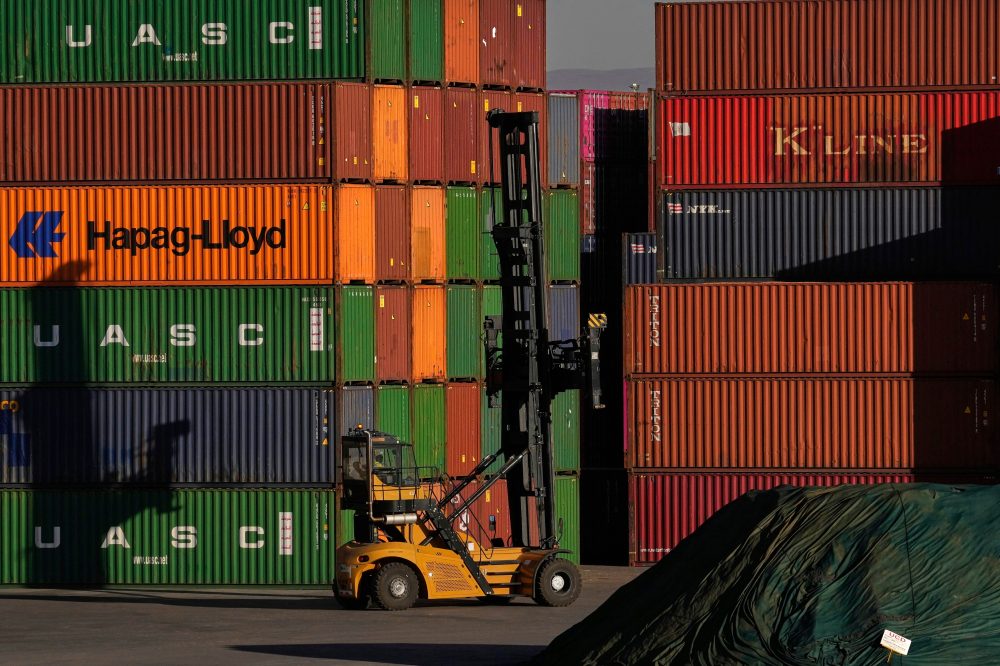
South Africa urged the U.S. not to move forward with a proposed 12.5% tariff on South African exports. It also sought specific exemptions for several key export products, including platinum group metals, vehicles, citrus, seafood, wine, and nuts, saying there was no evidence those goods were tied to forced labor.
Trade relations between Washington and Pretoria have grown increasingly tense in recent years, with disagreements spanning tariffs, South Africa’s domestic policies, and differing stances on international conflicts, including the war in Gaza.
South Africa has historically enjoyed duty-free access to U.S. markets through the African Growth and Opportunity Act, a trade program that has helped drive billions of dollars in exports from sub-Saharan Africa. That program is set to expire unless the U.S. Congress acts to renew it.
South Africa’s Trade Minister Parks Tau said the United States remains a vital trading partner and that his government plans to continue engaging with Washington on this investigation as well as on existing U.S. tariffs affecting steel, aluminum, and automobiles.
Following the hearing, the U.S. trade office opened a window for additional written submissions due by Thursday, after which officials were expected to make a decision on the matter.