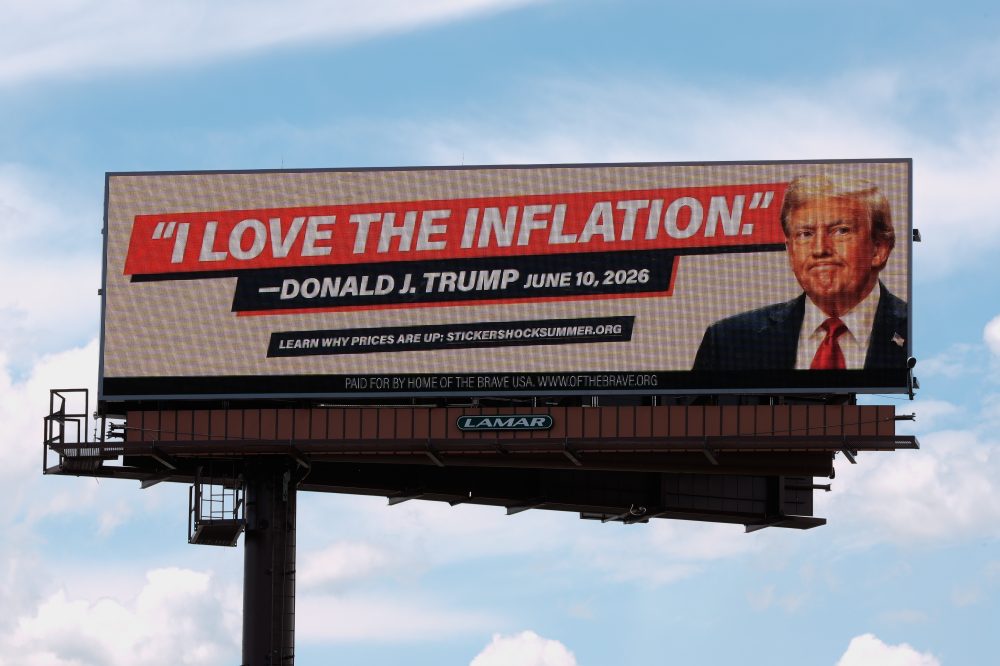

The economy and inflation dominated headlines over the past week, with rising costs at the grocery store and gas pump continuing to squeeze American households and businesses alike.
The International Monetary Fund lowered its outlook for the global economy in 2026, pointing to the energy shock triggered by the Iran war as a primary driver. That blow is being partially cushioned by surging investment in artificial intelligence and other emerging technologies.
The IMF now projects world economic growth of just 3% in 2026, a step down from 3.5% last year and below the 3.1% it had predicted back in April. The fund does anticipate a recovery to 3.4% growth the following year.
For the United States — the world’s biggest economy — the IMF expects growth of 2.3% this year, a slight improvement over 2.1% in 2025 and consistent with its April projection. The 21 European nations sharing the euro are expected to grow a modest 0.9% this year, down from 1.4% in 2025, as higher energy prices take a heavy toll on that region.
Sales of previously owned homes slipped in June, but prices continued to climb. Existing home sales dropped 2.4% from May, landing at a seasonally adjusted annual rate of 4.09 million units, the National Association of Realtors reported. That figure came in below the 4.21 million pace that economists had anticipated, according to FactSet. Year-over-year, sales were up 2.8% compared to June 2024.
Even with the slower sales pace, the national median home price rose 1.8% in June compared to a year ago, reaching $440,600 — an all-time high in data stretching back to 1999. Home prices have now increased on an annual basis for 36 straight months, the NAR noted.
Inside the Federal Reserve, there is a clear disagreement about what comes next for inflation. Meeting minutes released this week — the first under new Chair Kevin Warsh — showed that Fed officials are split on whether inflation will stay elevated or cool off once the Iran conflict subsides.
Many of the Fed’s 19 officials indicated they believe the central bank’s key interest rate will end the year at or slightly below its current level of 3.6%. However, others expect it to be higher by year’s end. Forecasts from after the June 17 meeting showed exactly half of the 18 policymakers who submitted projections favored raising rates before the year is out, while the other half preferred holding steady or cutting. Warsh chose not to submit a forecast, citing his belief that doing so can unnecessarily tie policymakers to a fixed path when economic conditions may change.
Global oil demand is on track to fall this year for the first time since 2020, when the COVID-19 pandemic kept billions of people at home, according to the International Energy Agency. The agency projects demand will drop by 1 million barrels per day in 2026, driven by elevated prices and disruptions to oil supplies that have rippled across the world.
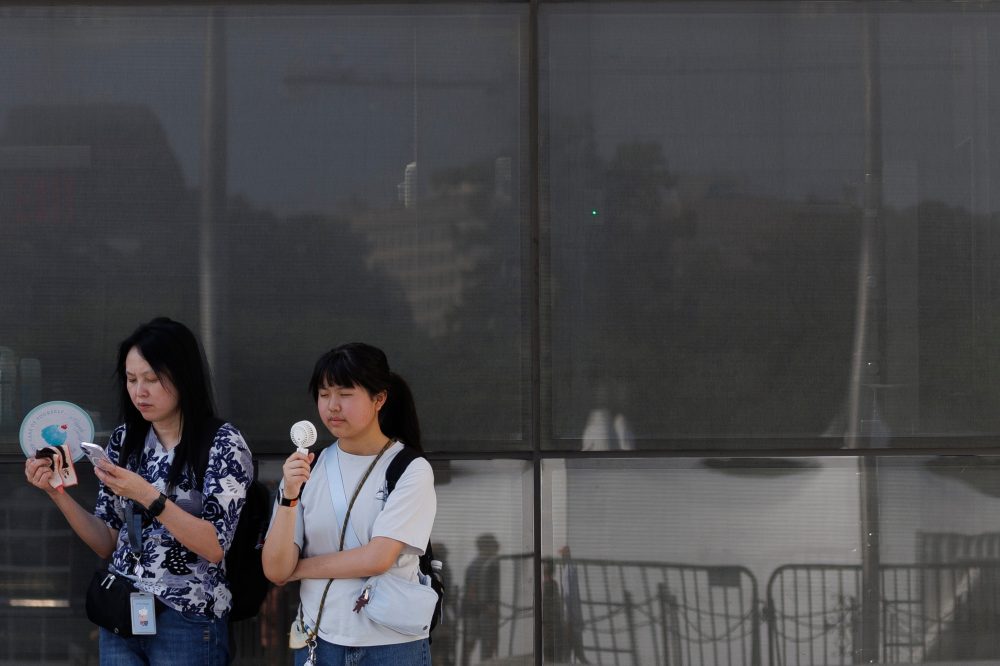
Much of that decline has been concentrated in Asia, which relies heavily on oil transported through the Strait of Hormuz — a route that has been largely closed to tanker traffic since the war began. Asian countries have responded by adjusting work schedules and implementing other energy-saving measures.
One notable exception to the global pullback in oil use was the United States, where gasoline consumption actually increased in the second quarter of 2026, even as pump prices sat nearly 50% above their pre-war levels as of May.
On the jobs front, the number of Americans filing for unemployment benefits edged down slightly last week, a sign that layoffs remain historically low. For the week ending July 4, new jobless claims fell by 2,000 to 215,000, the Labor Department reported Thursday — better than the 220,000 analysts surveyed by FactSet had expected.
Weekly unemployment filings are closely watched as a near real-time gauge of the job market’s health. However, last week’s broader June jobs report showed that employers pulled back significantly on hiring, adding just 57,000 jobs — less than half the total from the prior month and an indication that many companies are proceeding cautiously.
U.S. stock markets drifted to a quiet close Friday after a volatile stretch driven by concerns over how the Iran war could disrupt global oil supplies. The S&P 500 rose, putting it on pace for a fourth winning week out of the last five. The Dow Jones Industrial Average posted a slight gain, while the Nasdaq composite finished nearly flat. Oil prices held relatively steady despite a fresh round of unclaimed airstrikes on Iran following the conclusion of U.S. military operations.