
DUBAI, United Arab Emirates — Leaders from the United States and Iran exchanged sharp threats on Saturday as a shaky interim ceasefire continued to fall apart and international mediators worked desperately to keep diplomatic channels open.
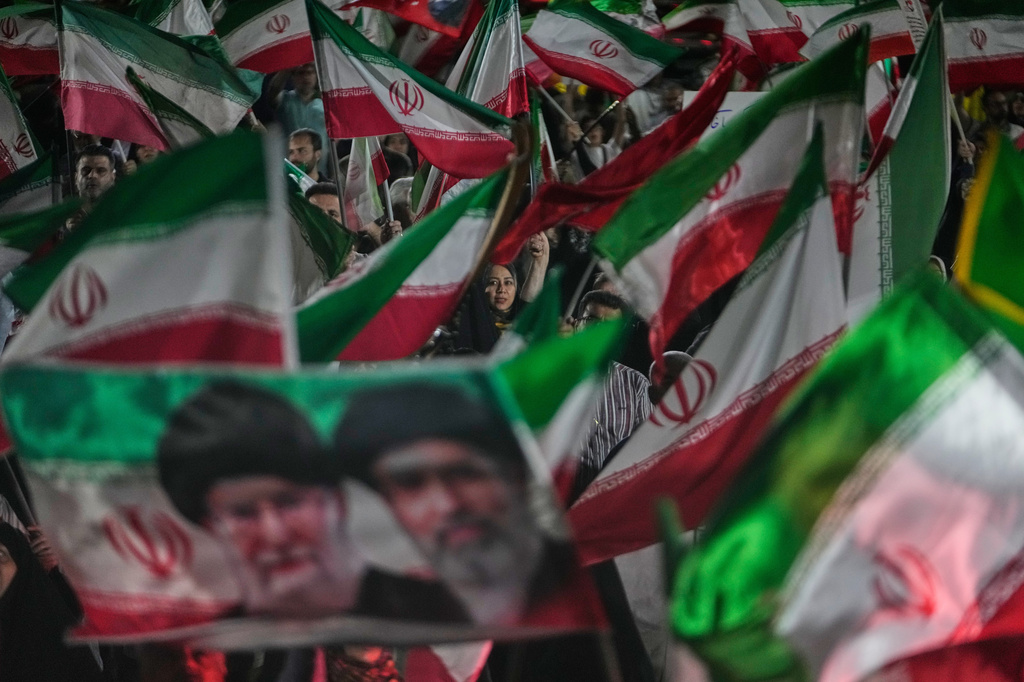
Overnight, President Donald Trump took to social media to threaten additional missile strikes against Iran, following the funeral of Supreme Leader Ayatollah Ali Khamenei, where crowds openly called for Trump’s death. Senior American officials also demanded that Iran publicly declare the Strait of Hormuz open and guarantee the safety of ships passing through it.
Iran’s new Supreme Leader, Mojtaba Khamenei, responded by pledging that Iranians would press forward with avenging his father’s death. He declared that such revenge “is the will of our nation and must certainly be carried out,” in remarks broadcast on Iranian state television. He had not appeared publicly since the conflict erupted on Feb. 28 — the day strikes killed his father.
Iran has maintained that it controls the strait and has the right to collect fees from vessels traveling through it, a position it adopted after the war began.
The war of words came after several days of American airstrikes on Iran, which were triggered by Iran’s attacks on three ships in the strait, and subsequent Iranian strikes targeting Arab nations throughout the region.
Trump declared the ceasefire finished but indicated the U.S. would keep negotiating. Iranian Foreign Minister Abbas Araghchi traveled to Oman on Saturday — situated on the far side of the strait — for additional discussions, one day after Qatari mediators had met with Iranian officials in Tehran.
Trump says threats against him prompted his response
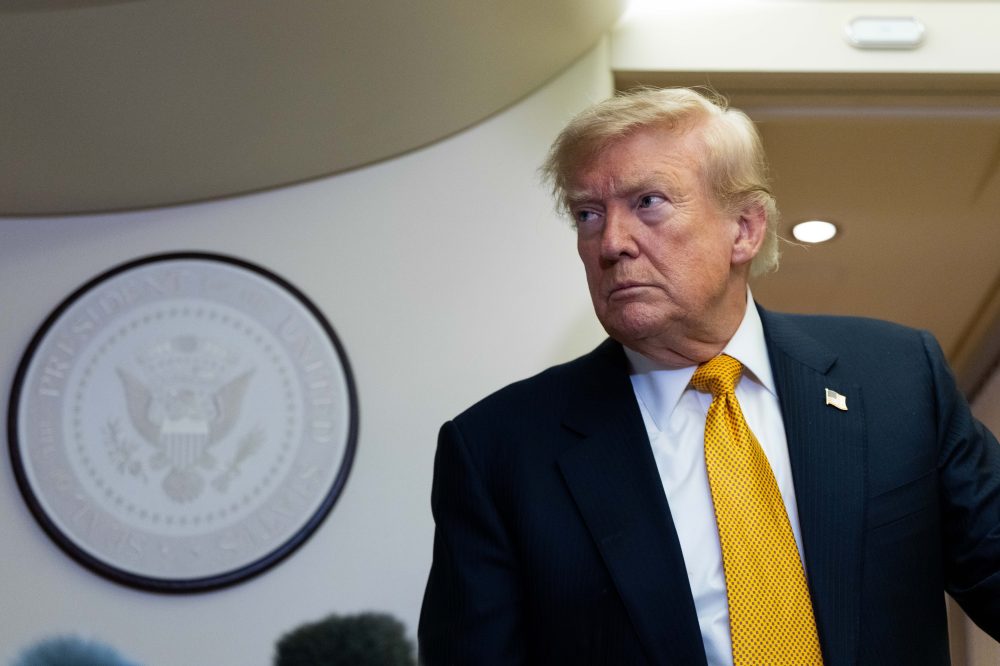
Trump wrote on his website that a thousand “missiles are Locked and Loaded and aimed at the Islamic Republic of Iran, with thousands more to immediately follow, should the Iranian Government act on its threat.”
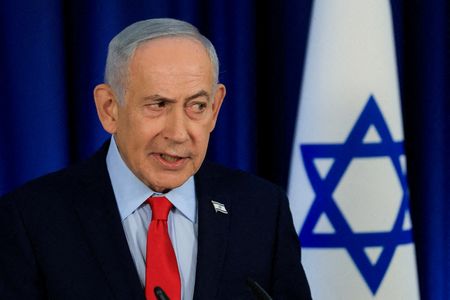
He stated he was reacting to threats “to assassinate, or attempt to assassinate” him. During Khamenei’s funeral, mourners displayed posters and banners demanding the deaths of both Trump and Israeli Prime Minister Benjamin Netanyahu. Khamenei, who was 86 years old, was buried this week.
Trump also wrote that the U.S. military would “completely decimate and destroy all areas of Iran — PRAISE BE TO ALLAH!” Trump has repeatedly used the Arabic name for God in his statements and threatened to obliterate Iranian civilization. The Council on American-Islamic Relations, an advocacy organization, has spoken out against what it called Trump’s “deranged mocking of Islam.”
U.S. blames hard-liners for undermining the ceasefire
American officials, who spoke without attribution given the sensitivity of the situation, said the renewed strikes this week followed what they described as a rogue group of Iranian hard-liners attempting to derail the ceasefire agreement. Iran, however, has insisted that its government is united behind the new supreme leader.
After the U.S. completed its most recent round of strikes on Thursday, additional attacks reportedly struck Iran, raising questions about who else might be hitting the country. Israel did not claim responsibility, pointing to the possibility that Gulf Arab states carried out the strikes, possibly to discourage Iran from attacking them again. Iran had retaliated against U.S. strikes on Thursday by launching attacks on Bahrain, Jordan, Kuwait, and Qatar.
The two-day wave of strikes inside Iran killed at least 17 people and left 115 others wounded, according to Iranian Health Ministry spokesperson Hossein Kermanpour.
Any nuclear deal would require Iran to hand over enriched uranium
U.S. officials told reporters that Washington would not pursue a nuclear agreement with Iran unless Tehran first halted its attacks on ships in the strait. They also said any nuclear deal would require Iran to surrender its stockpile of highly enriched uranium — something Iran has consistently refused to do.
If no agreement is reached, the U.S. said it has military options to ensure the material stays buried underground permanently, though officials declined to provide specifics.
The uranium, enriched to levels close to weapons-grade, is believed to be stored at nuclear facilities that the U.S. bombed in 2025. Iran has long maintained that its nuclear program is entirely peaceful. The International Atomic Energy Agency, however, has noted that Iran is the only country in the world enriching uranium to such high levels without an active weapons program.